
Before You Start a New Fitness Routine: A Preparation Checklist
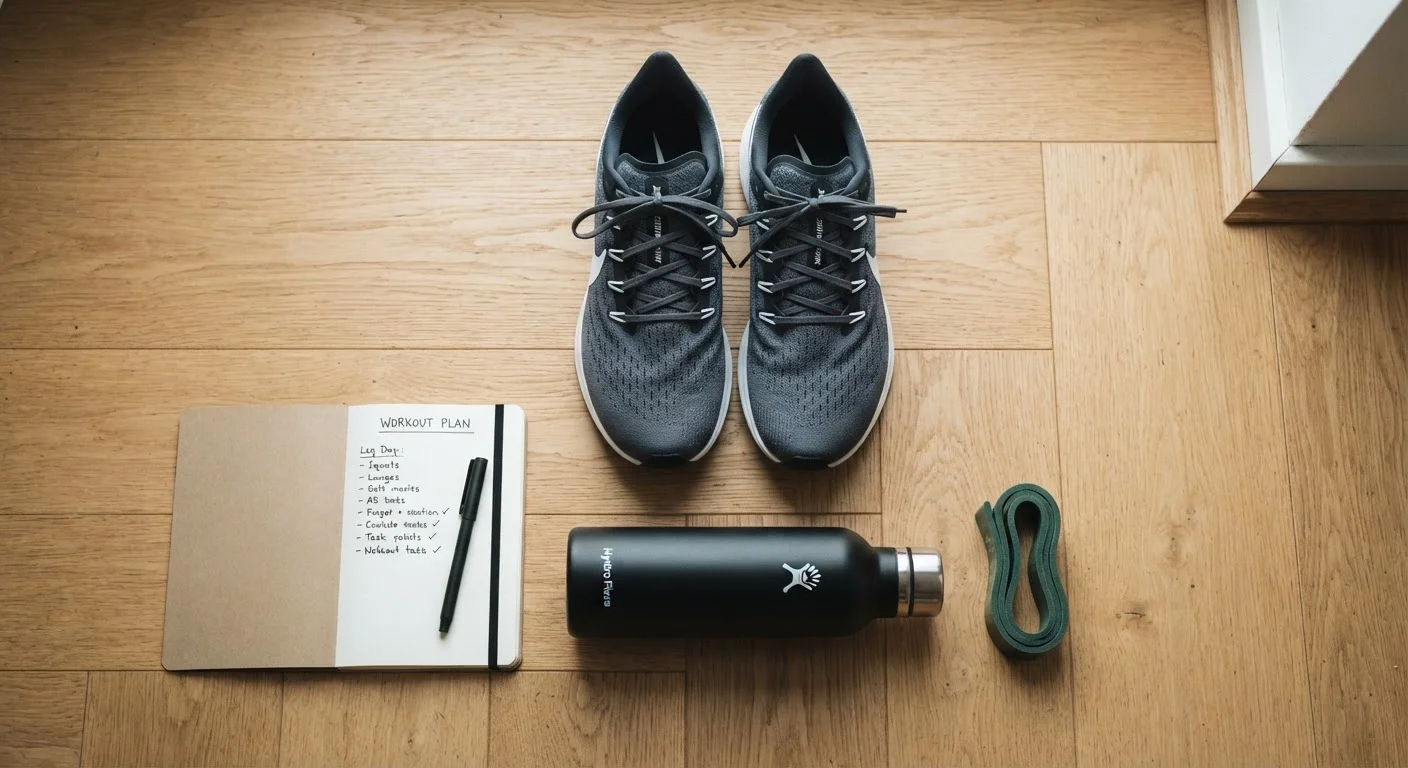
Photo credit: FaqsInsights.com | Stay Informed, Stay Ahead
Setting yourself up for success matters as much as the workouts themselves. Review these key steps before committing to a new exercise program.
Key Takeaways
- Consulting a healthcare provider before starting is essential if you have existing health conditions or have been inactive for a long period.
- Defining clear, realistic goals from the start improves the likelihood of maintaining a consistent routine.
- Matching your chosen activity to your current fitness level prevents early injury and burnout.
- Recovery, sleep, and nutrition are as critical to progress as the workouts themselves.
- Having the right basic equipment and a comfortable environment removes friction before it becomes an excuse.
Why Preparation Matters as Much as Effort
Starting a new fitness routine is one of the most constructive decisions you can make for your long-term health. But enthusiasm without preparation is one of the most common reasons people fall off within the first few weeks. Soreness from doing too much too soon, unclear goals, wrong activity choices - these are all preventable obstacles.
This checklist is designed to help you audit your readiness before committing to a program, whether you're brand new to exercise or picking things back up. If you're coming back after a long absence, our companion guide on returning to exercise after a long break covers the specific considerations that apply to you.
Work through each group below at your own pace. You don't need to check every box perfectly - but the more honestly you engage with this list, the stronger your foundation will be.
Health & Medical Clearance
Goal Setting & Mindset
Activity Selection & Scheduling
Recovery, Sleep & Nutrition Basics
Equipment & Environment
Tools That Support a Smooth Start
You don't need a gym membership or an expensive gadget to start exercising. That said, a few practical resources can reduce guesswork and help you track your progress honestly.
Notebook or fitness journal
Logging workouts, how you felt during sessions, and early progress helps you spot patterns and stay accountable.
Fitness tracking app (basic)
A free app can help you log sessions, monitor step counts, or track rest-day distribution without requiring advanced features.
Resistance bands
Versatile, low-cost tools suitable for warm-ups, mobility work, and beginner strength training in any setting.
Supportive athletic footwear
Proper footwear appropriate to your activity reduces impact stress on joints and lowers the risk of foot or knee discomfort.
Reusable water bottle
Keeping water accessible during and after workouts reinforces consistent hydration without relying on habit alone.
Making changes to your diet alongside a new exercise routine is common, and the two often reinforce each other. If you're also thinking about adjusting how you eat, our pre-diet readiness checklist walks through the key questions to ask before making dietary changes.
Don't Skip the Medical Check-In
If you have a heart condition, diabetes, high blood pressure, a history of musculoskeletal injury, or are pregnant, do not begin a new exercise program without first speaking to a qualified healthcare provider. This applies even if the routine seems mild. General fitness content cannot account for your individual health circumstances - a professional consultation is the only way to get guidance specific to you.
Avoid the 'Go Hard or Go Home' Trap
Starting too intensely is the single most common cause of early dropout from new fitness routines. Muscle soreness that makes daily movement difficult, or fatigue that disrupts sleep, are signs you've started beyond your current capacity - not signs of progress. Begin conservatively and allow your body time to adapt before increasing duration or intensity.
This article is for general informational and educational purposes only and does not constitute medical advice. Always consult a qualified healthcare professional before beginning a new exercise program, particularly if you have any existing health conditions, injuries, or concerns about your physical readiness.

Author
Health & Wellness Editorial Team
Health & Wellness Editorial Team is the collective byline for our editorial team and contributor network. Articles published under this byline or an editorial pen name are researched, written, and reviewed according to our editorial standards for clarity, consistency, and independence before publication.
View all articles →