
Cat Grooming Decoded: What's Normal and What Needs Attention
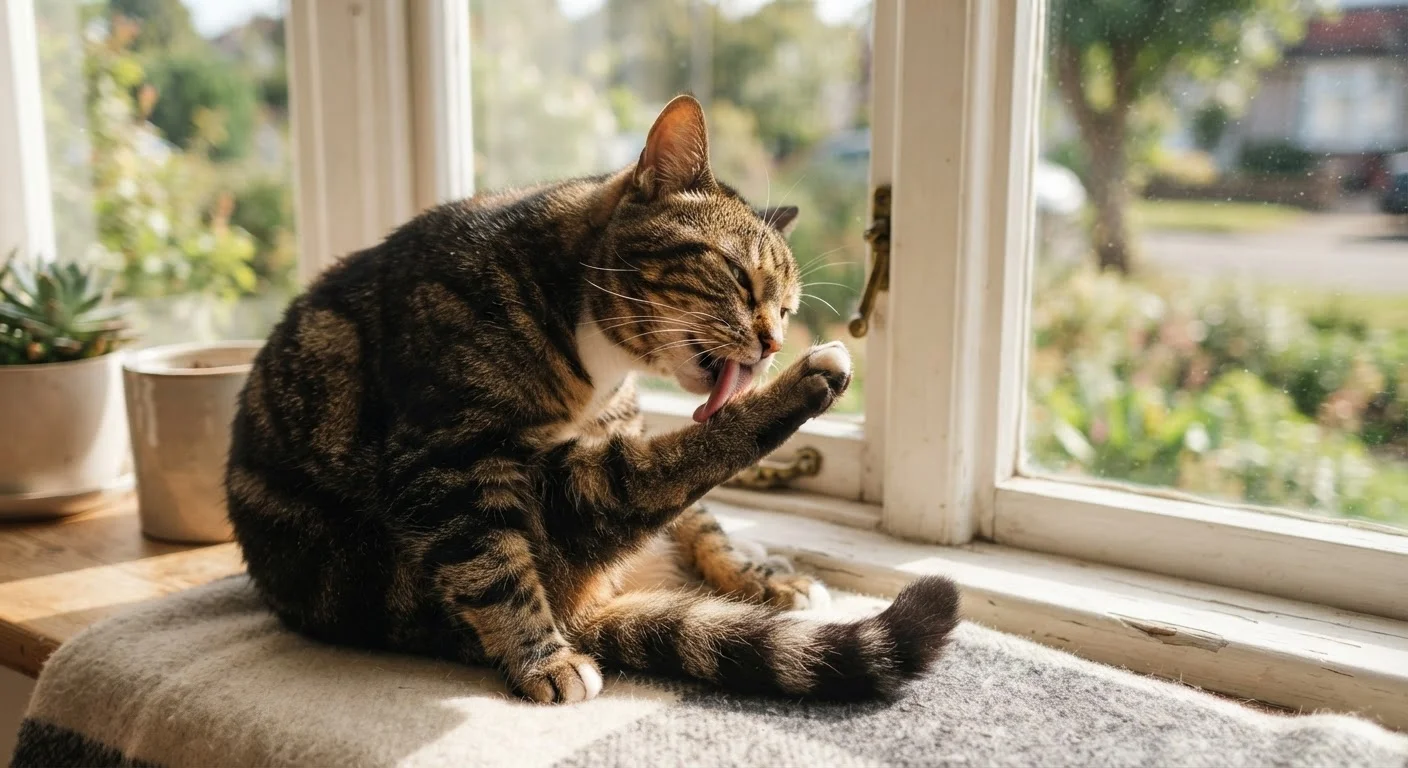
Photo credit: FaqsInsights.com | Stay Informed, Stay Ahead
In this article
Understand your cat's self-grooming habits, when to step in, and what changes in coat or skin might signal a vet visit.
Key Takeaways
- Healthy cats groom frequently; a sudden change in grooming habits is worth monitoring closely.
- Overgrooming that causes bald patches or skin irritation often signals stress, allergies, or a parasitic condition.
- Matted fur, persistent dandruff, or a greasy coat can indicate underlying health issues that warrant a vet visit.
- Long-haired cats generally require regular brushing to prevent painful mats that self-grooming cannot resolve.
- Hairballs are a normal byproduct of grooming, but frequent vomiting or gagging may need veterinary attention.
What Normal Cat Grooming Looks Like
Grooming is one of the most fundamental feline behaviors, and understanding what's typical helps you spot problems early. A healthy cat uses a predictable routine: licking the coat with its textured tongue, using dampened paws to clean the face and ears, and nibbling at difficult areas like the base of the tail. This behavior serves multiple purposes - it removes loose hair and debris, distributes skin oils that keep the coat shiny, and provides a calming, self-soothing function.
Kittens begin grooming within the first week of life, and mutual grooming (called allogrooming) between bonded cats is a recognized social behavior, not just a hygiene habit. Adult cats groom after meals, after waking, and often after being handled - essentially resetting their scent and comfort level.
Understanding feline body language can help you distinguish relaxed grooming from stress-driven behavior, particularly when a cat grooms excessively in social situations.
Use Grooming Time as a Health Check
Each brushing session is a chance to scan for lumps, skin changes, fleas, or tenderness. Run your hands gently along your cat's body and note anything new - swelling, warmth, or a spot your cat reacts to when touched. Catching small changes early gives you a head start if a vet visit becomes necessary.
Warning Signs: When Grooming Habits Change
Changes in grooming - whether too much or too little - are among the earliest observable indicators that something may be off. Here's what to watch for:
- Overgrooming (psychogenic alopecia): Bald patches, thinning fur, or raw skin in areas a cat can easily reach (belly, inner thighs, base of tail) may result from stress, allergies, or parasite activity. The behavior can become compulsive.
- Under-grooming: A dull, matted, or greasy coat in a cat that used to be well-maintained often signals pain, illness, obesity, or dental discomfort that makes grooming physically difficult. Arthritis is a particularly common culprit in older cats.
- Excessive licking of one spot: Focused licking at a single area may indicate localized pain, a wound, or a developing skin infection.
- Head shaking combined with ear scratching: This can accompany an ear mite infestation or ear infection, sometimes mistaken for general grooming behavior.
These changes are worth noting even when subtle. Keeping a simple log of what you observe - when the behavior started, how often it occurs, and any other changes in appetite or energy - will be genuinely useful if a vet visit becomes necessary. See our guidance on what annual vet visits cover to understand how skin and coat assessments fit into routine wellness checks.
Stress Is a Common - and Underestimated - Trigger
Household changes like a new pet, a move, or even rearranged furniture can trigger overgrooming in sensitive cats. Because cats are subtle about stress, the coat is often where it shows first. If overgrooming appears alongside other behavioral shifts - hiding, reduced appetite, or litter box changes - mention all of them to your vet for a fuller picture.
Coat and Skin Conditions Worth Knowing
The condition of your cat's coat is one of the most visible windows into their overall health. Several specific findings should prompt a closer look:
- Persistent dandruff
- Occasional flaking is normal, especially in dry climates. Persistent dandruff - particularly along the back - can indicate poor diet, dehydration, fungal infection, or a condition called Cheyletiella mange (sometimes called "walking dandruff" because the mites are visible).
- Matting
- Mats form when loose fur tangles and compresses against the skin. They trap moisture and debris, can become painful, and restrict movement. Long-haired breeds are most vulnerable. Never attempt to cut a mat close to the skin without professional guidance - the skin beneath can be closer than it appears and injury risk is real.
- Greasy or oily coat
- An oily texture, especially near the tail base (a condition sometimes called "stud tail," caused by overactive sebaceous glands), can occur in unneutered males but also in cats with metabolic conditions. A vet can confirm the cause.
- Redness or lesions
- Raised bumps, crusting, or redness that a cat returns to repeatedly warrants veterinary evaluation. Miliary dermatitis - a pattern of small scabs across the back - is a common allergic response in cats.
30-50%
Of waking hours cats spend grooming
Widely cited in veterinary behavioral literature as the typical range for healthy adult domestic cats.
~2/3
Of ingested hair passed through digestive tract
Cornell University College of Veterinary Medicine notes that most swallowed hair passes through without forming a hairball.
Up to 70%
Of older cats affected by arthritis
Studies in veterinary geriatrics suggest degenerative joint disease is common in senior cats and is a leading cause of grooming decline.
How to Support Your Cat's Grooming Routine
Most cats manage their own hygiene effectively, but owners can play a meaningful supporting role - especially for long-haired breeds, senior cats, or cats recovering from illness.
Brushing: Regular brushing reduces hairball formation and gives you a hands-on opportunity to assess skin condition. Use a brush suited to your cat's coat type. Introduce brushing gradually with short sessions if your cat is not accustomed to it, using positive reinforcement to build tolerance. For context on reward-based techniques that translate across cat training, see our guide to training cats with positive reinforcement.
Nail maintenance: While not strictly grooming, overgrown nails can curl and cause discomfort. Trimming every few weeks or having a groomer or vet do it is a basic care step.
Oral health: Grooming and oral health are more connected than they appear - a cat with mouth pain may stop grooming its face and chin entirely. Dental care for cats is often overlooked but plays a direct role in how well a cat can maintain itself.
Environment and stress: A cat that is anxious or under-stimulated may groom compulsively. Enrichment, predictable routines, and safe spaces reduce stress-related overgrooming. Indoor and outdoor lifestyle choices can affect a cat's baseline stress level and coat exposure to external parasites - both relevant to grooming health.
This article provides general educational information about cat behavior and care. It is not a substitute for professional veterinary advice. If you have concerns about your cat's health or grooming habits, consult a licensed veterinarian.
Frequently Asked Questions

Author
Pets & Animals Editorial Team
Pets & Animals Editorial Team is the collective byline for our editorial team and contributor network. Articles published under this byline or an editorial pen name are researched, written, and reviewed according to our editorial standards for clarity, consistency, and independence before publication.
View all articles →