
Teaching a Cat to Come When Called
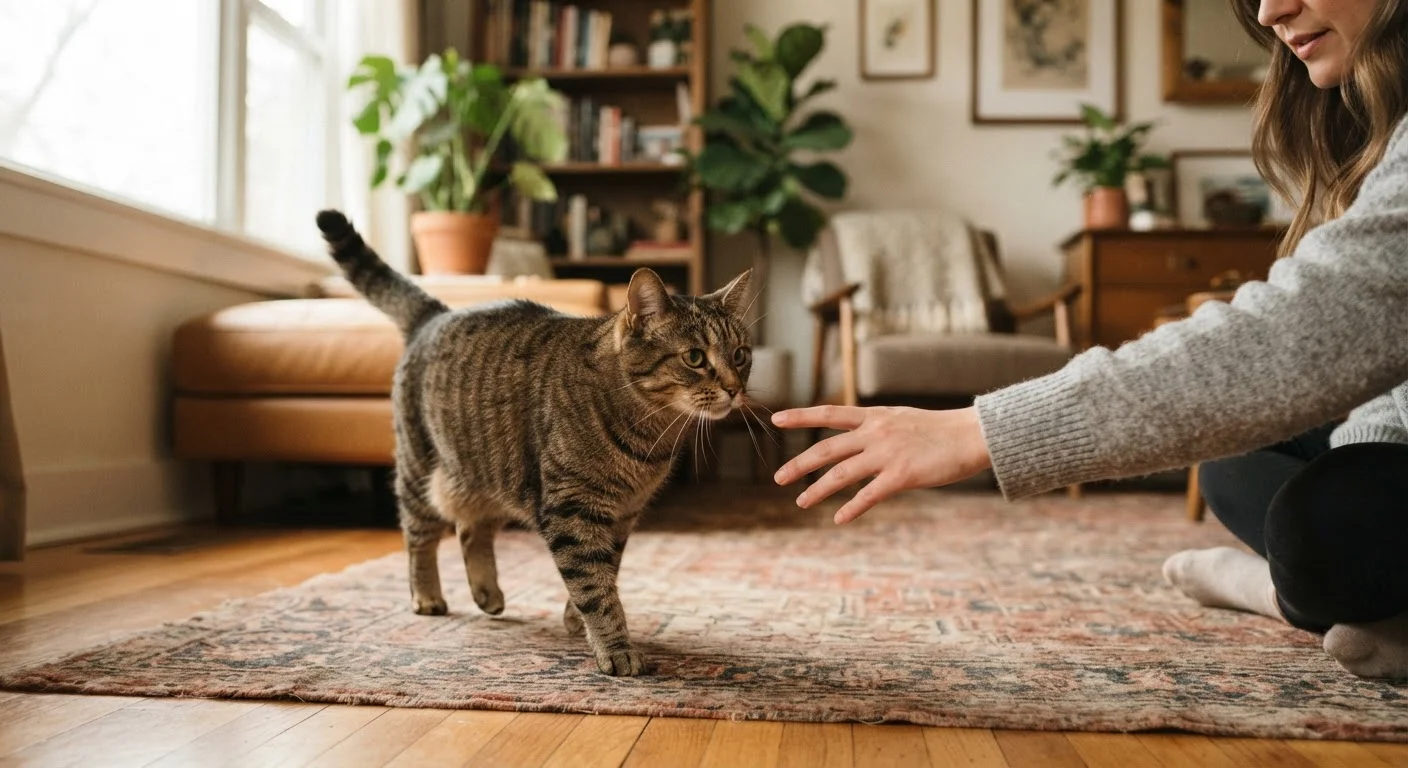
Photo credit: FaqsInsights.com | Stay Informed, Stay Ahead
In this article
Cats can be trained to respond to their name. Here's a step-by-step approach using reward-based techniques that respect feline instincts.
Key Takeaways
- Cats can reliably learn to come when called using consistent, reward-based training.
- Short, frequent sessions of 2-5 minutes outperform long, infrequent ones.
- Using the same word or sound every time builds a stronger recall response.
- Punishment or frustration during training will undermine the cat's willingness to respond.
- High-value treats - ones your cat doesn't get at other times - are the most effective motivators.
Why Cats Can - and Do - Learn Recall
The idea that cats are untrainable is a persistent myth. Cats are highly intelligent animals fully capable of learning conditioned responses, especially when training respects how they naturally process rewards and motivation. Unlike dogs, cats have not been selectively bred over millennia to follow human direction, which means their compliance is always somewhat voluntary - and that is actually useful information for training.
Because a cat responds to your cue by choice, the training method must make responding genuinely worthwhile from the cat's perspective. Reward-based techniques accomplish exactly this. If you are new to the underlying principles, the foundation guide for first-time pet owners covers the core concepts of humane, effective training in accessible terms.
A reliable recall is also a practical safety skill. A cat that comes when called can be redirected away from hazards, brought inside quickly, or located when it is hiding out of sight.
What you will need
What You Will Need
Training equipment for recall work is minimal, but the quality of your treats matters more than most owners expect. Your cat should find the reward genuinely exciting - something reserved specifically for training rather than freely available in its dish. Small soft pieces of cooked chicken, commercial cat treats, or freeze-dried meat are common choices, though individual preferences vary widely.
High-value treats
Serve as the primary reinforcer - the reward your cat receives immediately after responding to the recall cue.
Clicker or verbal marker
Marks the exact moment your cat performs the desired behavior, bridging the gap between the action and the reward.
Treat pouch or small bowl
Keeps treats accessible during sessions so rewards are delivered quickly without fumbling.
Timing Is Everything in Cat Training
Cats live very much in the present moment. The reward must land within one to two seconds of the desired behavior for your cat to connect the two. If you miss the window, your cat receives an accidental reward for whatever it was doing at the moment the treat arrived - not for coming to you. A marker (click or verbal word) lets you bridge that gap precisely.
Step-by-Step Training Guide
Follow these steps in order, progressing to the next only when your cat is succeeding consistently at the current one. There is no set timeline - some cats respond within days, others take a few weeks. What matters is the quality of each repetition, not speed.
Choose a consistent recall cue
Pick a single, short word or sound - your cat's name, the word "come," or even a unique whistle - and commit to using it exclusively for this behavior. Avoid using the cue when you cannot reward the cat (for example, right before a vet visit or a bath), as negative associations will erode the response over time.
Introduce the cue paired with a reward
Begin at close range - just a few feet away. Say the cue once in a cheerful tone, then immediately offer a treat whether your cat moves toward you or not. You are building an initial association between the sound and something positive, not yet asking for movement.
Reward the first voluntary approaches
Once your cat reliably orients toward you when it hears the cue, wait a moment to see if it takes a step in your direction. The instant it moves toward you - even one step - mark the behavior with a click or a verbal "yes" and deliver the treat. This is the core of reward-based shaping in action.
Gradually increase the distance
Once your cat comes reliably from a few feet, start calling from across the room. Increase distance only when success rate at the current distance is consistently high - roughly 8 out of 10 attempts. If your cat stops responding, you have likely moved too far too fast; step back to an easier distance.
Introduce mild distractions
Cats are highly sensitive to their environment. Once the recall is solid in a quiet room, practice when there is a small amount of ambient activity - another person in the room, a TV at low volume. Reward more generously when distractions are present, since responding under those conditions takes more effort from your cat.
Maintain the behavior over time
A recall cue that is never practiced will fade. Run brief maintenance sessions a few times per week, even after the behavior feels solid. Vary your treats occasionally to keep the reward fresh, and always make coming to you a positive experience - never use the recall cue to signal something your cat dislikes.
Never Call Your Cat to Punish It
If your cat learns that coming to you sometimes results in something unpleasant - being scolded, restrained, or taken somewhere it dislikes - it will stop responding to the cue. The recall must always predict something good. If you need to do something your cat finds stressful, go to the cat rather than calling it to you.
Keep Sessions Short - Every Time
Cat attention spans during training are short by nature. Sessions longer than five minutes often produce diminishing returns and can create a negative association with the activity. End every session on a successful repetition, even if that means setting an easier task at the close of the session. Consistent short wins build long-term reliability far better than extended drilling.
Troubleshooting Common Problems
If your cat stops responding mid-session, end the session without frustration and try again later. A sudden drop in motivation is usually a sign of satiation, fatigue, or a distraction threshold that has been reached - not stubbornness. This is meaningfully different from the patterns explored in dogs that tune out commands, where the causes tend to be more varied and complex.
If your cat approaches but stops short of coming all the way to you, temporarily reward partial approaches again and rebuild from there. Consistency in your cue and in delivering rewards promptly will resolve most common sticking points over time.
This article provides general pet care and training information only. For behavioral concerns or signs of stress in your animal, consult a qualified veterinary professional or certified animal behaviorist.

Author
Pets & Animals Editorial Team
Pets & Animals Editorial Team is the collective byline for our editorial team and contributor network. Articles published under this byline or an editorial pen name are researched, written, and reviewed according to our editorial standards for clarity, consistency, and independence before publication.
View all articles →