
Why Your Dog Keeps Ignoring Your Commands
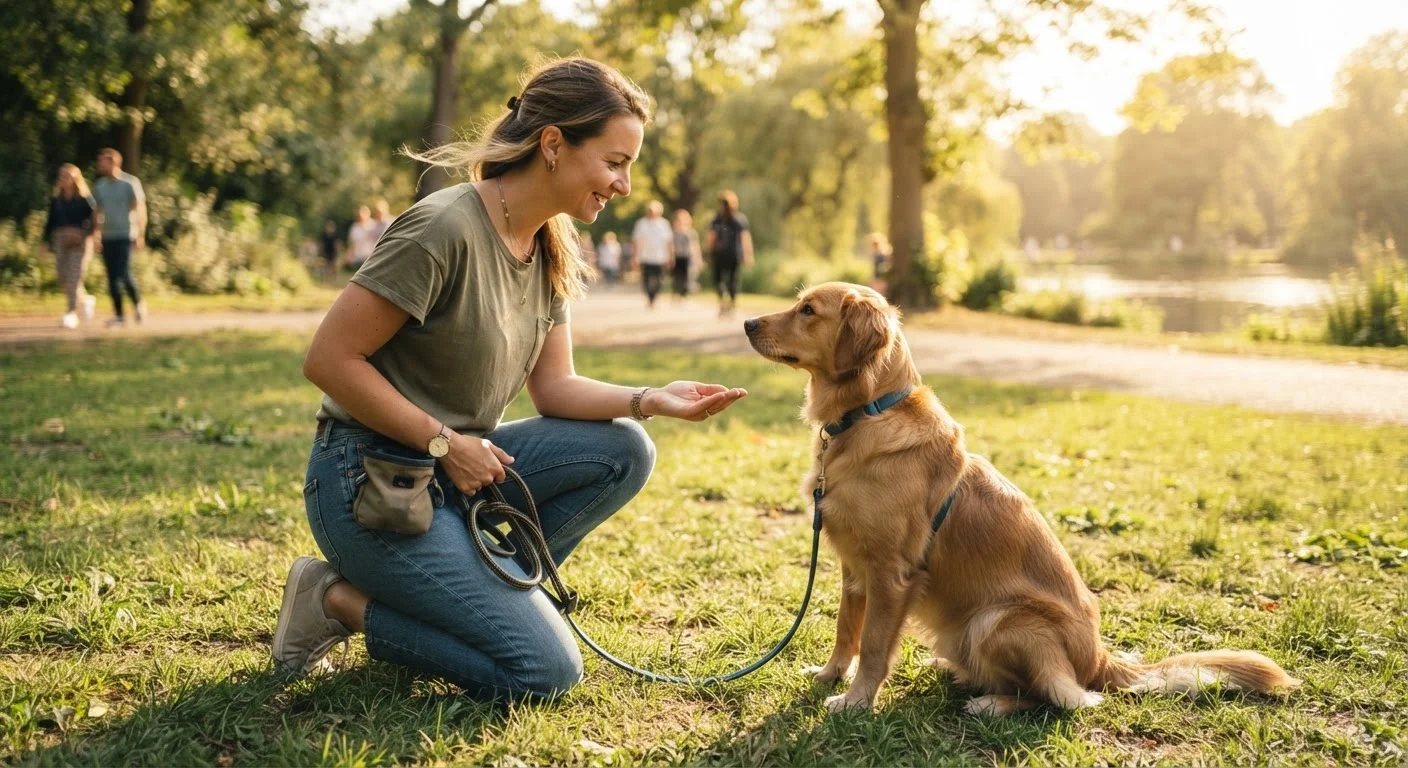
Photo credit: FaqsInsights.com | Stay Informed, Stay Ahead
In this article
If your dog tunes you out mid-training, the problem usually isn't stubbornness. Explore the real reasons commands fall flat and how to fix them.
Key Takeaways
- Dogs rarely ignore commands out of stubbornness - the cause is almost always a training or environment issue.
- Inconsistent cues, insufficient rewards, and high-distraction settings are the most common culprits.
- Fixing these problems requires adjusting your approach, not repeating the same command louder.
- Short, focused sessions with clear criteria produce faster, more reliable results than long, unfocused ones.
The Real Reason Your Dog Seems to Be Ignoring You
When a dog consistently fails to respond to commands, the instinct is to label them stubborn or dominant. Research in animal behavior consistently points elsewhere: the dog either hasn't learned what the cue reliably predicts, the environment is too stimulating, or the training approach has accidentally taught unresponsiveness. Understanding these root causes is the first step toward a reliable recall, sit, or stay.
If you're new to building these fundamentals, a solid foundation guide for first-time owners covers the core principles before unintentional habits take hold. For owners already several sessions in, the mistakes below are where most training breakdowns actually originate.
Don't Mistake Medical Issues for Disobedience
A dog that suddenly stops responding to familiar commands may be experiencing a hearing problem, pain, or another health concern rather than a training lapse. If the change is abrupt or accompanied by other behavioral shifts, consult a veterinarian before adjusting your training approach. This article covers general training information and is not a substitute for professional veterinary assessment.
Common Mistakes That Make Commands Fall Flat
Most training failures share a short list of causes. Each one is correctable once you can see it clearly.
Repeated Commands Teach Dogs to Tune You Out
Each time you say "sit, sit, sit" without waiting for a response, you inadvertently train your dog that the first cue carries no real meaning. Dogs learn what predicts consequences - if the cue is always repeated, your dog simply waits for repetition. Give the cue once, pause, then prompt or reset before trying again.
Using the cue word multiple times before the dog responds.
Why it happens: Owners assume repeating a command reinforces it, when in fact it signals that one repetition is never enough.
Training in high-distraction environments before the skill is solid at home.
Why it happens: Owners often test commands at the dog park or on walks before those behaviors are truly fluent, then interpret failure as defiance.
Fading rewards too quickly after a behavior is first learned.
Why it happens: People assume that once a dog "knows" a command, treats are no longer necessary and may even become a crutch.
Using an inconsistent cue word or hand signal across family members.
Why it happens: Different household members naturally use different language, tone, or gestures without realizing the dog is hearing entirely different signals.
Ending a session after the dog fails, rather than setting up a success first.
Why it happens: Owners stop when frustration peaks - which is usually right after an error - inadvertently closing on a negative note.
3-5 min
Ideal training session length for puppies
Behavioral researchers generally recommend keeping puppy training sessions to just three to five minutes to match short attention spans and prevent frustration.
70%+
Success rate before adding distractions
Applied behavior analysts often recommend a dog achieve a behavior correctly more than 70 percent of the time before introducing a new level of distraction or difficulty.
For a deeper look at how the type of cue you use affects learning, clicker training versus verbal cues breaks down the practical differences so you can match the method to your dog's learning style.
Building Commands That Actually Stick
Reliable responses are built in layers: a clear cue, a behavior the dog can physically perform, a reward that genuinely motivates that individual dog, and repetition across varied settings. Once you've corrected the common mistakes above, focus on keeping sessions short and ending positively.
It's also worth examining the beliefs you bring to training. Common training myths - including the idea that older dogs can't learn new behaviors - can quietly undermine real progress. Evidence-based methods work at any age and for most temperaments, provided the approach is adjusted to the individual dog.
Once the basics are rock solid, underrated everyday skills like loose-leash walking and "go to your mat" often have more practical impact than the flashier commands owners tend to prioritize first.
This article is for general informational purposes only and does not constitute veterinary or professional behavioral advice. If your dog's behavior changes suddenly or you have concerns about their health, please consult a licensed veterinarian or certified animal behaviorist.

Author
Pets & Animals Editorial Team
Pets & Animals Editorial Team is the collective byline for our editorial team and contributor network. Articles published under this byline or an editorial pen name are researched, written, and reviewed according to our editorial standards for clarity, consistency, and independence before publication.
View all articles →