
DIY vs. Shop: Deciding Which Maintenance Tasks You Can Handle Yourself
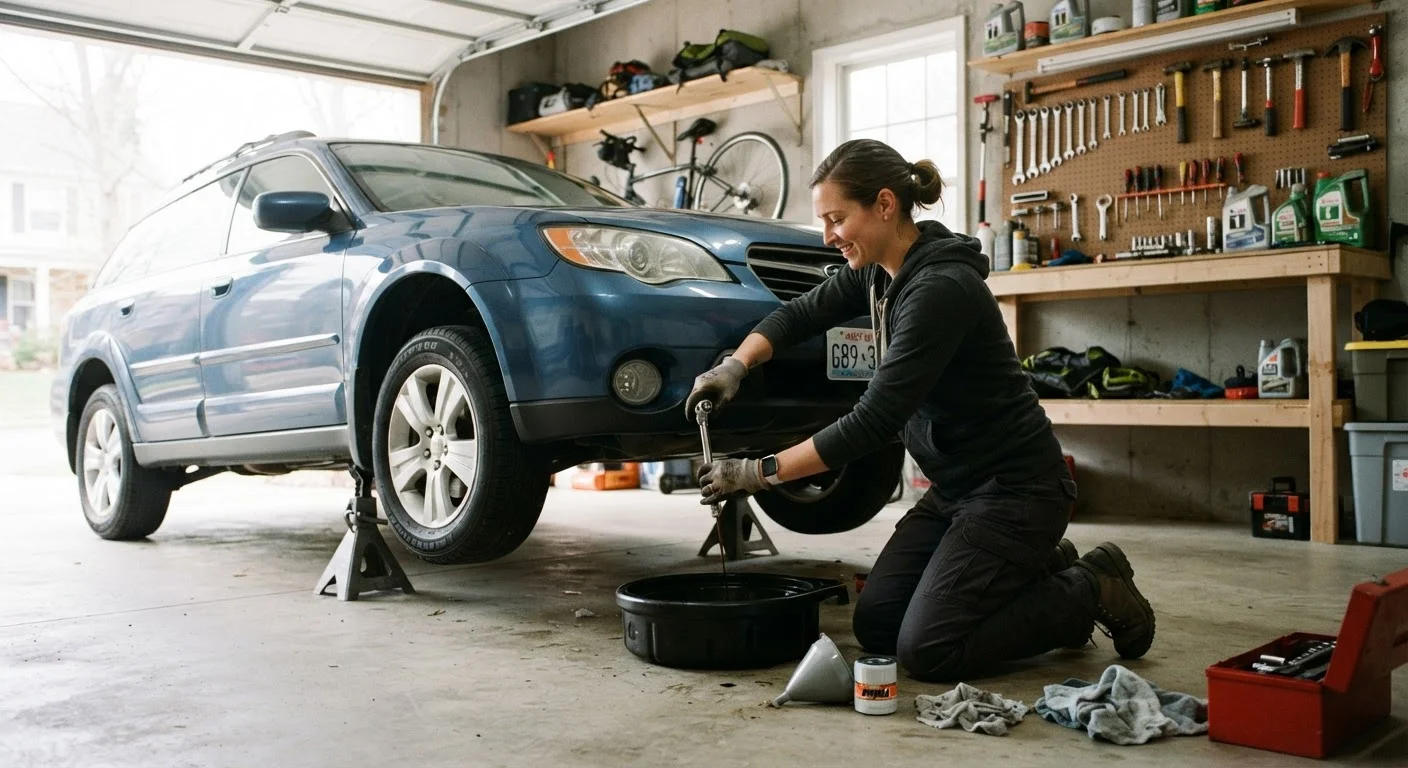
Photo credit: FaqsInsights.com | Stay Informed, Stay Ahead
In this article
Some jobs are straightforward for a careful home mechanic; others carry real safety risks. Learn where the sensible line is.
Key Takeaways
- Routine maintenance tasks like oil changes, air filter swaps, and wiper replacements are generally safe for a careful home mechanic.
- Brake system work, suspension repairs, and anything involving fuel or airbag components carry serious safety risks and typically require a professional.
- Your vehicle's owner's manual is the most reliable guide for service intervals and specifications.
- Skipping a task altogether is almost always worse than paying a shop to do it correctly.
- The right tool for the job matters - improvising with incorrect tools increases risk and can cause damage.
Why This Decision Matters More Than Most Drivers Realize
Vehicle maintenance sits at the intersection of safety, cost, and mechanical literacy. Do too little and you risk breakdowns or worse; hand everything to a shop and costs mount quickly. The good news is that many routine tasks are genuinely approachable for a careful, informed driver - no professional background required.
The challenge is knowing where the line actually falls. That line isn't the same for every driver: it depends on your comfort with tools, the age and complexity of your vehicle, and - most importantly - the consequences of getting it wrong. A poorly installed wiper blade is a nuisance; a poorly bled brake system is a safety emergency.
If you're new to ownership, this guide to ownership responsibilities is a useful starting point. For everyone, the owner's manual is your baseline - see how to use it as a maintenance roadmap.
Tasks That Most Drivers Can Reasonably Handle
The following jobs involve accessible components, minimal specialized equipment, and low risk of serious harm if done carefully. They're also among the most frequently needed - making DIY particularly worthwhile.
- Engine air filter replacement: Typically a tool-free job taking under 10 minutes. The filter is usually in a plastic housing near the top of the engine.
- Cabin air filter replacement: Often located behind the glove box. Replacement intervals and access vary by model - check your manual.
- Windshield wiper blades: Straightforward clip-on designs on most vehicles. Carry real safety consequences if neglected, but replacement is simple.
- Oil and filter changes: Achievable with basic tools and proper disposal of used oil. Requires knowing the correct oil specification and filter for your vehicle.
- Checking and topping off fluids: Coolant, brake fluid reservoir level, power steering, and washer fluid are readable at a glance. Never open a hot cooling system.
- Battery terminal cleaning: Corrosion buildup reduces electrical connection quality. Clean with a wire brush and baking soda solution after disconnecting the negative terminal first.
For tire-related basics - pressure checks, tread inspections, and understanding rotation schedules - see our thorough tire maintenance guide.
Always Use Your Owner's Manual First
Before attempting any maintenance task, consult your vehicle's owner's manual for the correct fluid specifications, filter part numbers, torque values, and service intervals. Generic advice online may not match your specific engine or drivetrain configuration. Using the wrong oil viscosity or an incorrect filter can cause problems the repair won't be obvious until damage is done.
Jobs That Belong in a Professional Shop
Some repairs are beyond the scope of safe DIY work - not because drivers aren't capable of learning, but because the risk of an error is serious injury, vehicle damage, or both. A professional with proper equipment and training is the right call for these.
Don't Underestimate Brake System Complexity
Brake-related repairs are among the most commonly attempted DIY jobs - and among the most consequential when done incorrectly. Even a task that appears straightforward, such as pad replacement, involves correct bedding-in procedures, proper torque on caliper bolts, and verification that no fluid was disturbed. If you have any uncertainty, have a qualified technician inspect or complete the work.
- Brake system repairs: Pad replacement is sometimes listed as a DIY task, but brake line work, caliper replacement, or any hydraulic bleeding mistakes can result in brake failure. Unless you have verified training and equipment, a shop is safer.
- Suspension and steering components: Incorrect alignment or improperly torqued suspension parts affect vehicle control at speed. Many require specialized alignment tools to set correctly after service.
- Timing belt or chain replacement: Engine damage is possible if installation is off by even one tooth. Labor-intensive and exacting.
- Airbag system work: Supplemental restraint systems (SRS) can deploy accidentally. This work requires specialized training and should never be attempted without it.
- Fuel system repairs: Fuel lines, injectors, and fuel pumps involve flammable materials under pressure. Leaks create fire risk.
- Advanced electrical diagnostics: Modern vehicles have complex networks of control modules. Misdiagnosis is common and can be expensive.
The principle here parallels good advice in other maintenance contexts - just as some home repairs carry legal and safety thresholds that rule out DIY, certain automotive jobs have safety stakes that simply don't leave room for on-the-job learning.
How to Make the Call: A Practical Framework
When you're unsure whether a job is within reach, run through these questions before committing:
- What happens if I get it wrong? If the answer involves loss of vehicle control, fire, or injury - stop and call a shop.
- Do I have the correct tools? Improvising with ill-fitting tools damages fasteners and components. Torque specifications exist for safety reasons.
- Does my vehicle require special procedures? Some models need a scan tool to reset service indicators, re-calibrate sensors after battery disconnection, or complete a brake bleed cycle. Check before starting.
- Will DIY affect my warranty? New vehicles under manufacturer warranty may require dealer or certified-shop service to preserve coverage on certain systems. Review your warranty terms.
- Am I working in a safe environment? A vehicle on jack stands on a level, solid surface is minimally safe. Never work under a car supported only by a floor jack.
Keep in mind that deferring maintenance entirely is almost always the most expensive option. If a task is beyond your current skill level, scheduling a shop visit promptly is far better than letting a minor issue become a major repair.
| DIY | Professional Shop | |
|---|---|---|
| Upfront cost | Lower (parts only) | Higher (parts + labor) |
| Safety-critical work | Higher risk if inexperienced | Trained, equipped professionals |
| Tools required | Basic to moderate | Specialized tools available |
| Service documentation | Self-managed records | Documented invoice history |
| Warranty implications | Risk if done incorrectly | Typically warranty-safe |
| Skill development | Builds mechanical familiarity | No skill transfer to owner |
| Best for | Routine, low-stakes tasks | Complex, safety-critical repairs |

Author
Cars & Driving Editorial Team
Cars & Driving Editorial Team is the collective byline for our editorial team and contributor network. Articles published under this byline or an editorial pen name are researched, written, and reviewed according to our editorial standards for clarity, consistency, and independence before publication.
View all articles →