
DIY Home Repairs Worth Learning - and Tasks Better Left to Licensed Trades
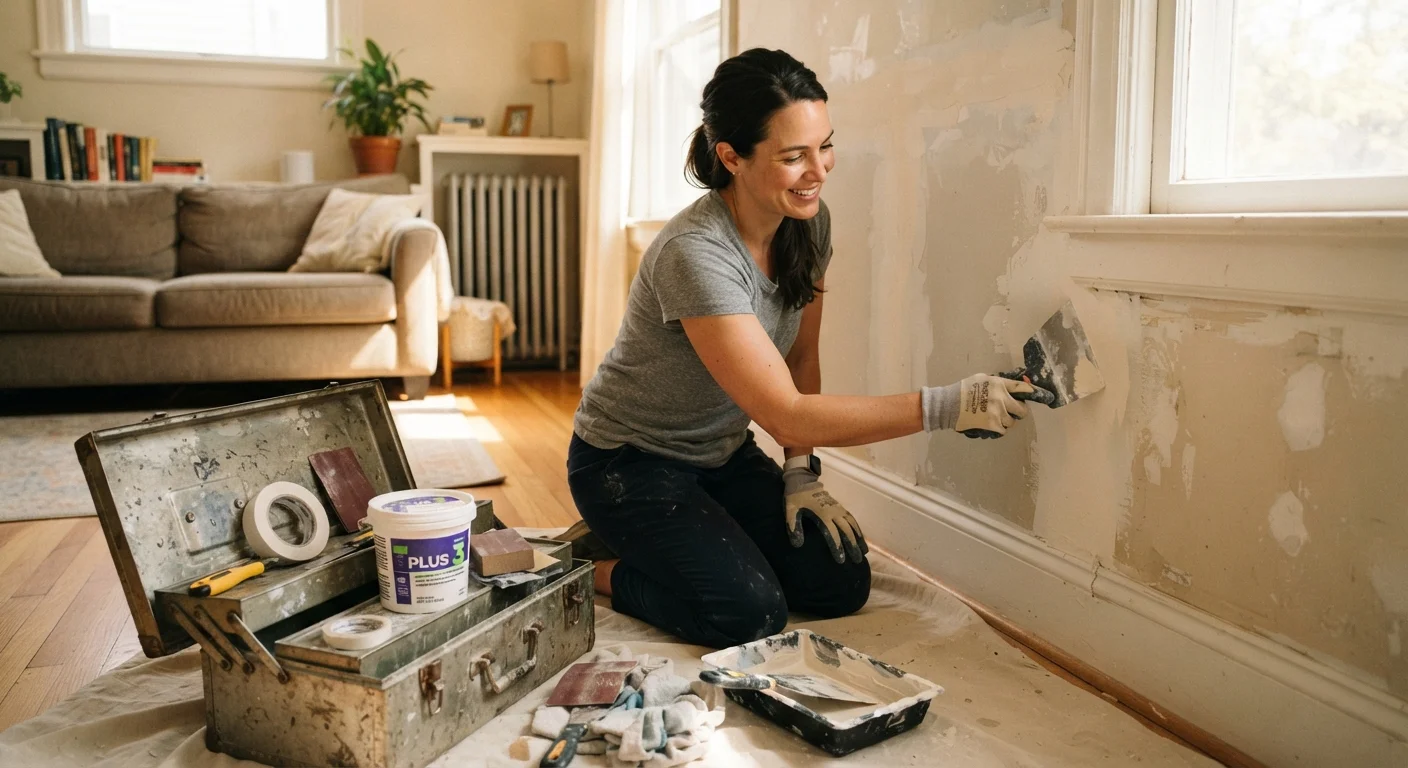
Photo credit: FaqsInsights.com | Stay Informed, Stay Ahead
In this article
Some repairs are genuinely DIY-friendly; others carry real safety or legal risk. A practical breakdown of where the line typically falls for US homeowners.
Key Takeaways
- Many cosmetic and maintenance tasks are genuinely safe for confident DIYers with basic tools.
- Electrical, gas, and structural work typically require licensed trades and local permits.
- Skipping required permits can create serious liability issues at resale or after an incident.
- Your skill level, local codes, and the scope of the job should all factor into your decision.
- When in doubt, a consultation with a licensed contractor costs far less than a costly mistake.
The DIY Decision: More Than Just Confidence
Every homeowner eventually faces a repair and asks the same question: can I handle this myself, or do I need to call someone? The answer depends on more than whether you're handy. Local building codes, permit requirements, safety regulations, and the real consequences of getting it wrong all factor in.
This guide draws a practical line between tasks that most capable DIYers can reasonably tackle and those where the risk - legal, financial, or physical - makes professional involvement the smarter call. Understanding that line isn't about doubting yourself; it's about making informed decisions before you pick up a tool.
It's also worth knowing that some projects require permits regardless of who does the work. See our guide to permits for US homeowners for a fuller picture of when local approval is typically required.
DIY Doesn't Mean Unregulated
Even work you do yourself may require a permit in your jurisdiction. This is especially true for electrical, plumbing, HVAC, and structural changes. Unpermitted work can complicate homeowner's insurance claims and create disclosure obligations when you sell. Always check with your local building department before starting significant work - the process is often simpler than homeowners expect.
Repairs and Tasks Worth Adding to Your DIY Skill Set
Patching Drywall and Fixing Small Holes
Small holes from nails, doorknobs, or minor impacts are among the most approachable DIY repairs. Patch kits for holes up to around six inches are widely available, and the process - cleaning the edges, applying mesh or a backer, layering joint compound, sanding, and painting - is forgiving and teachable. The main skill to develop is feathering the compound smoothly so the repair blends into the surrounding wall. Larger holes may need a proper drywall patch cut to fit, which takes more precision but is still within reach for a careful beginner.
Drywall patching is one of the most forgiving DIY skills a homeowner can develop.
Caulking and Weatherstripping
Replacing deteriorated caulk around tubs, showers, windows, and exterior penetrations is straightforward maintenance that directly affects energy efficiency and moisture control. The same is true of weatherstripping around doors. Both tasks require minimal tools - a utility knife, caulk gun, and some patience - and the materials are inexpensive. Done well, this work can noticeably reduce drafts and prevent water intrusion that leads to more expensive repairs down the line.
Recaulking and weatherstripping are low-cost tasks with an outsized impact on comfort and moisture control.
Replacing Fixtures, Switches, and Outlets (With Caveats)
Swapping a light fixture, outlet, or switch for a like-for-like replacement is generally manageable for someone who is comfortable turning off the circuit breaker, confirming power is off with a non-contact voltage tester, and following the existing wiring. This is not the same as adding new circuits, moving wiring, or working in the main electrical panel - those tasks involve real shock and fire risk and typically require a licensed electrician and a permit. Know the boundary before you start.
Like-for-like fixture swaps differ fundamentally from new wiring - know exactly where that line sits.
Basic Plumbing: Faucets, Showerheads, and Supply Lines
Replacing a leaky faucet, a running toilet flapper, or a showerhead involves working with your home's supply side and is generally DIY-accessible. Most modern fixtures use standard fittings, and shutoff valves under sinks or behind toilets let you isolate the work without cutting off water to the whole house. Where things escalate quickly: drain work, anything behind the wall, or connections to the main supply line. Those areas involve higher pressure, more complex fittings, and in some jurisdictions, require a licensed plumber.
Faucet and toilet repairs are practical DIY territory; behind-the-wall plumbing is a different matter entirely.
Interior Painting
Painting interior walls and trim is one of the highest-return DIY projects a homeowner can undertake. The skills - surface preparation, priming, cut-in technique, and roller work - are learnable with practice, and the materials are accessible. Good preparation (patching, sanding, cleaning surfaces, masking trim) accounts for most of the quality difference between a professional-looking finish and a rushed one. Exterior painting on a single-story home is also achievable, though ladder safety and surface prep become more important considerations.
Surface preparation, not the paint itself, is what separates a lasting finish from one that peels prematurely.
Installing or Replacing Flooring (Floating and Peel-and-Stick Types)
Floating hardwood, laminate, and luxury vinyl plank flooring are designed with DIY installation in mind - no adhesive or nailing required for most systems. Peel-and-stick tile is similarly accessible. These formats click or lock together over a clean, level subfloor and can transform a room significantly. Glue-down hardwood, ceramic tile (which involves setting, mortar work, and grouting), and any floor that requires significant subfloor repair are more demanding and less forgiving of mistakes, but still within reach for determined DIYers willing to research the process thoroughly.
Floating floor systems are engineered for DIY success - a level subfloor is the most important prerequisite.
Start with lower-stakes practice
If you're new to a skill - drywall finishing, tiling, painting trim - consider practicing on a low-visibility area first, such as a closet interior or a utility room. Building confidence in a forgiving context means fewer costly do-overs in prominent spaces. Many community colleges and home improvement stores also offer hands-on workshops for basic skills.
When to Call a Licensed Professional - and Why It Matters
The list above covers work where a careful, informed homeowner can reasonably manage risk. But some categories of home repair carry consequences that go well beyond a poor finish or a wasted afternoon. Electrical work involving your home's main panel or service entry, gas line repairs or appliance connections, structural modifications (removing walls, altering load-bearing framing), roofing on multi-story homes, and any plumbing that ties into your home's main supply or drain stack are all areas where errors can cause fires, structural failure, gas leaks, or flooding - and where unpermitted work can void homeowner's insurance or create legal complications at resale.
If you've decided a project needs professional help, preparation is key. Use our contractor vetting checklist before signing any agreement. And if the scope involves multiple trades - as kitchen or bathroom renovations often do - understanding why trade sequencing matters can help you manage the project more effectively.
This article provides general home improvement information for educational purposes only. Building codes, permit requirements, and regulations vary by state and municipality. Always verify local requirements with your jurisdiction before beginning any renovation or repair work, and consult a licensed professional for tasks involving electrical systems, gas lines, structural elements, or other regulated work.

Author
Home & Garden Editorial Team
Home & Garden Editorial Team is the collective byline for our editorial team and contributor network. Articles published under this byline or an editorial pen name are researched, written, and reviewed according to our editorial standards for clarity, consistency, and independence before publication.
View all articles →