
Attic Insulation Demystified: R-Values, Materials, and Installation Basics
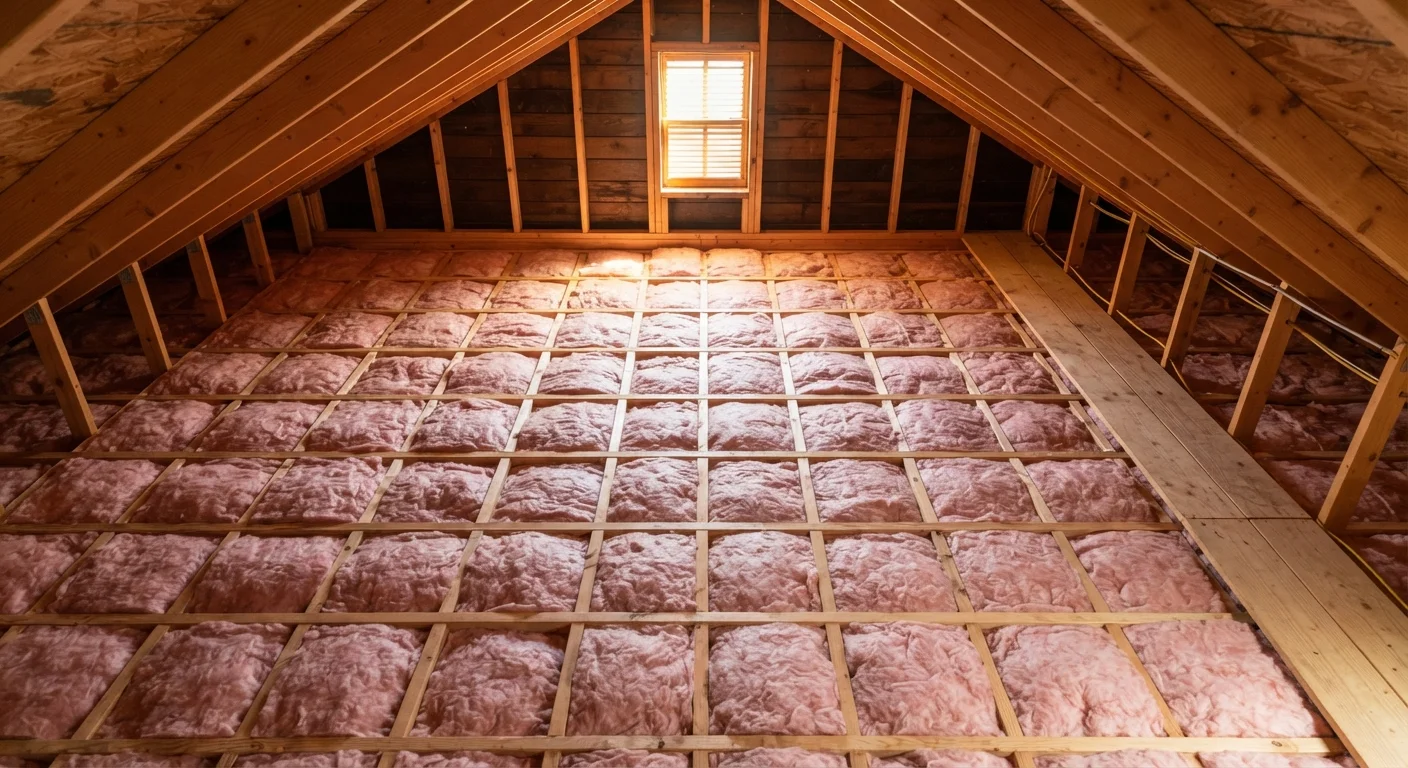
Photo credit: FaqsInsights.com | Stay Informed, Stay Ahead
In this article
R-value requirements vary by climate zone, and insulation materials each have distinct trade-offs. Get a clear, jargon-free overview before tackling your attic.
Key Takeaways
- R-value requirements for attics vary by climate zone - colder regions need higher values, often R-49 to R-60.
- Common insulation materials - fibreglass batts, blown cellulose, and spray foam - each have distinct pros, cons, and ideal use cases.
- Air sealing before adding insulation dramatically improves overall performance and should not be skipped.
- DIY installation is realistic for some materials, but certain situations require a licensed professional.
- Local building codes may specify minimum R-values; always verify requirements before starting your project.
Understanding R-Value and Why It Matters
When it comes to attic insulation, R-value is the single most important number to understand. It tells you how effectively a material resists heat flow - the higher the number, the better it insulates. Because heat naturally moves toward cooler spaces, an attic with insufficient R-value bleeds warmth in winter and absorbs heat in summer, forcing your HVAC system to work harder.
The US Department of Energy's climate zone system divides the country into zones numbered 1 through 8, from the hot Gulf Coast to frigid northern states. Recommended attic R-values range from around R-30 in the warmest zones to R-60 in the coldest. Most homes in the contiguous US are well-served by a target between R-38 and R-49, but your local building code is the authoritative source - always verify before purchasing materials.
R-49 to R-60
Recommended attic R-value for cold US climate zones
Per US Department of Energy guidelines for zones 6-8, which include states like Minnesota, Wisconsin, and Montana.
~25%
Share of home heat loss through the ceiling and attic
The DOE estimates that inadequate attic insulation is responsible for a significant share of residential heating and cooling energy loss.
R-3.2-3.8
R-value per inch for blown-in cellulose
Cellulose's per-inch performance is competitive with fibreglass and it fills irregular spaces well, making it popular for retrofit projects.
Common Insulation Materials Compared
Three materials dominate residential attic insulation, each with a different profile of cost, performance, and installation complexity.
- Fibreglass batts: The familiar pink or yellow rolls. They install easily between standard joist spacing and are a practical DIY option. R-value runs approximately R-2.9 to R-3.8 per inch. Batts must fit snugly without compression to perform as rated.
- Blown-in cellulose: Made largely from recycled paper treated with fire retardant, cellulose is blown into place using a renting machine. It achieves roughly R-3.2 to R-3.8 per inch, conforms well to irregular spaces, and is a solid option for topping up existing insulation.
- Spray polyurethane foam: Available in open-cell and closed-cell varieties, spray foam delivers higher R-values per inch (R-3.7 to R-6.5 depending on type) and acts as an air barrier simultaneously. It is significantly more expensive and should be installed by a certified contractor - improper application can create moisture and indoor air quality problems.
Match Material to Your Attic's Geometry
Fibreglass batts work best in attics with clear, standard-width joist bays and good headroom. If your attic has lots of obstacles - cross-bracing, HVAC ducts, or irregular framing - blown-in cellulose or spray foam will conform to those shapes more effectively and leave fewer gaps.
Air Sealing: The Step Most Homeowners Skip
Adding more insulation without first sealing air leaks is one of the most common attic improvement mistakes. Insulation slows conductive heat transfer, but air gaps allow warm or cool air to bypass it entirely. Common leak points include gaps around light fixtures, plumbing stacks, attic hatches, and top plates where interior walls meet the ceiling.
Sealing these penetrations with acoustical caulk or low-expansion spray foam before installing insulation can substantially improve the effectiveness of whatever material you choose. This step is especially important if you are upgrading an older home where framing gaps and bypasses are common.
Recessed Lights Need Special Attention
Standard recessed light fixtures ("can lights") that penetrate the ceiling into the attic are significant air and heat leakage points. They must be covered with an appropriate airtight cover rated for insulation contact (IC-rated) before insulation is added over them. Working near light fixtures or any electrical component should be done with the circuit breaker off; consult an electrician if you are unsure.
Installation Basics and When to Call a Pro
For attic floors with standard joist spacing and good access, fibreglass batts or blown-in cellulose are reasonable DIY projects. The general process involves measuring your target depth, clearing obstructions, air sealing first, and then laying or blowing material to the correct thickness. Always wear a respirator rated for the material, eye protection, and long sleeves - fibreglass and cellulose are both irritants.
Certain situations call for a licensed insulation contractor: spray foam application, insulating a finished or vaulted attic, working around live electrical panels or knob-and-tube wiring, or any job requiring a building permit. In these cases, a professional ensures code compliance and reduces the risk of moisture problems or fire hazards. When evaluating contractors, ask about their licensing, whether they'll do an air-sealing pass, and what R-value they propose to achieve - these questions quickly separate knowledgeable contractors from those offering a surface-level fix.
Frequently Asked Questions

Author
Home & Garden Editorial Team
Home & Garden Editorial Team is the collective byline for our editorial team and contributor network. Articles published under this byline or an editorial pen name are researched, written, and reviewed according to our editorial standards for clarity, consistency, and independence before publication.
View all articles →