
Car Maintenance for New Drivers: Understanding Your Ownership Responsibilities
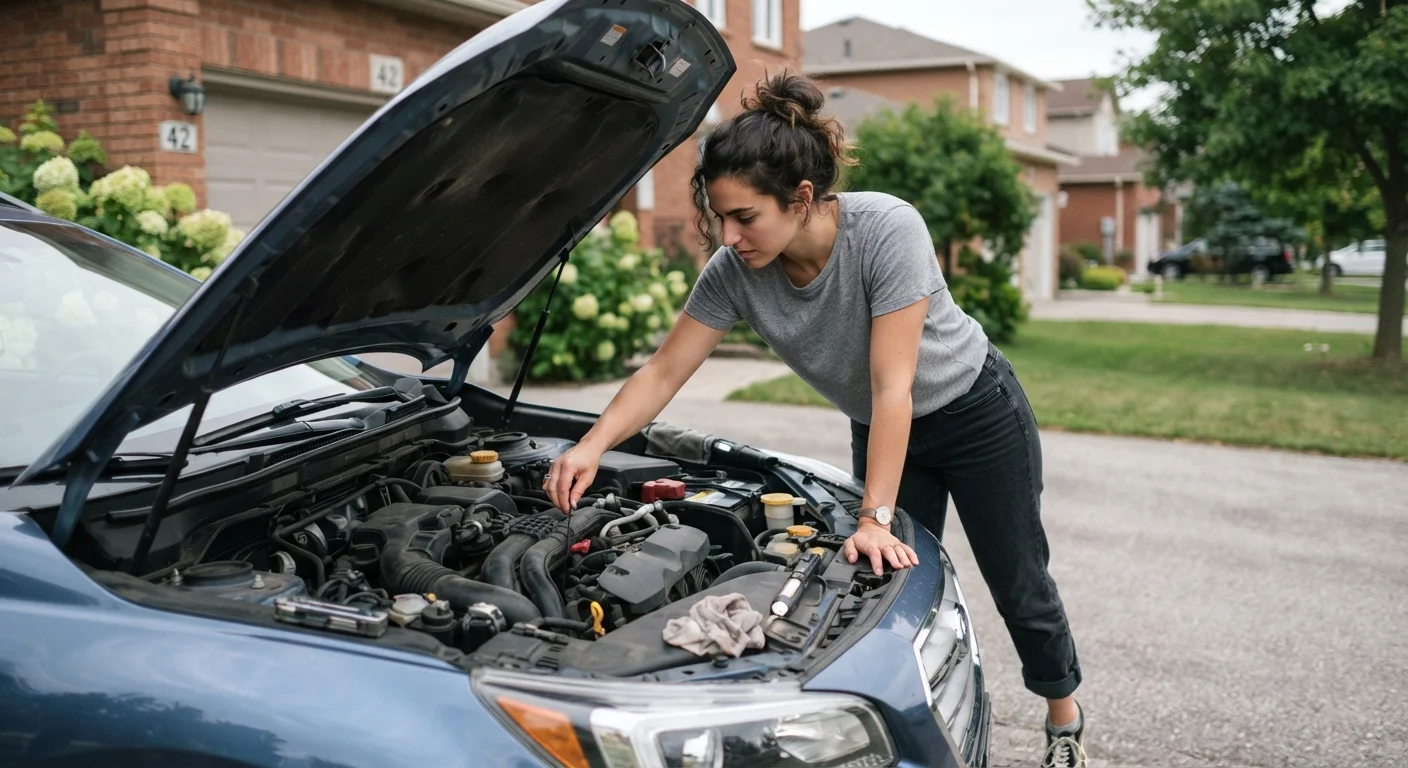
Photo credit: FaqsInsights.com | Stay Informed, Stay Ahead
In this article
New to owning a car? This guide covers the essential upkeep tasks every driver should know, from oil checks to inspection schedules.
Key Takeaways
- Your owner's manual is the most reliable source for your vehicle's specific maintenance schedule.
- Checking fluid levels and tire pressure regularly can prevent the majority of roadside breakdowns.
- Oil change intervals vary widely by vehicle and oil type - the old 3,000-mile rule rarely applies today.
- Ignoring dashboard warning lights, even minor ones, often leads to larger and more expensive problems.
- Keeping a maintenance log strengthens resale value and helps diagnose future issues faster.
Why Routine Maintenance Matters
Owning a car carries responsibilities that go beyond keeping it fueled and insured. Routine maintenance is the single most effective way to extend a vehicle's life, reduce unexpected repair bills, and stay safe on the road. Neglected upkeep doesn't just cost money - it can create genuine safety hazards for you, your passengers, and other drivers.
The good news: most of what keeps a car running reliably is straightforward and predictable. Manufacturers design vehicles with defined service intervals for a reason. Following those intervals means you're working with the engineering built into the car, not against it. If you're new to car ownership, the foundation starts with one document: your owner's manual. As we explain in our guide to reading your owner's manual like a maintenance roadmap, it contains the most accurate, model-specific schedule available to you.
Used Vehicle? Start With an Inspection
If you've recently acquired a used vehicle with an incomplete or unknown service history, consider scheduling a comprehensive inspection with a trusted mechanic before relying on any assumed maintenance baseline. What was done previously - and what wasn't - shapes everything that comes next.
The Essential Checks Every New Driver Should Know
Several basic checks require no tools and take only minutes. Building these into a monthly habit puts you well ahead of the majority of drivers.
Dipstick
A long metal rod attached to the engine that allows you to manually check the oil level by pulling it out, wiping it clean, reinserting it, and reading where the oil film sits against the marked MIN/MAX range.
PSI (Pounds per Square Inch)
The unit used to measure tire inflation pressure. The correct PSI for your tires is specified by the vehicle manufacturer, not the tire maker, and is usually found on a sticker inside the driver's door.
OBD-II Scanner
A diagnostic tool that plugs into a port under your dashboard and reads fault codes stored by your vehicle's onboard computer, helping identify what triggered a warning light.
Service Interval
A manufacturer-specified schedule - measured in miles, months, or both - that tells you how frequently a particular maintenance task should be performed on your vehicle.
Coolant
A liquid (also called antifreeze) that circulates through the engine and radiator to regulate operating temperature, preventing both overheating in summer and freezing in winter.
Tread Depth
The measurement of the grooves in a tire's surface that channel water away and maintain grip. As tread wears down, wet-weather traction and overall stopping ability decrease.
Fluids
- Engine oil: Use the dipstick to check level and color. Dark, gritty oil is overdue for a change. The actual recommended interval depends on your vehicle and oil type - not an arbitrary mileage figure.
- Coolant: Inspect the reservoir with the engine cold. Low coolant can cause overheating within miles.
- Brake fluid and power steering fluid: These are reservoir checks under the hood - levels outside the marked range warrant a mechanic's attention.
- Windshield washer fluid: The only fluid you can safely top off yourself with no mechanical knowledge required.
Tires
Check pressure monthly using an inexpensive gauge - the correct PSI is printed on a sticker inside the driver's door jamb, not on the tire sidewall. Also inspect for uneven wear patterns, which can indicate alignment or suspension issues. Tread depth can be estimated with a quarter: if the top of Washington's head is visible when inserted into a tread groove, the tire warrants replacement.
Lights and Wipers
Walk around your vehicle periodically to confirm all exterior lights function. Replace wiper blades when they streak or skip - typically once a year or sooner in high-use climates.
Scheduled Service: Following a Maintenance Timeline
Beyond monthly checks, every vehicle has scheduled service milestones - intervals measured in miles or months, whichever comes first. Common scheduled items include:
- Oil and filter changes: Intervals vary widely. Many modern vehicles using full synthetic oil can go significantly longer between changes than older guidance suggested. See how synthetic and conventional oils differ for context on why this matters.
- Air filter replacement: Engine and cabin air filters have separate intervals; both affect performance and comfort.
- Tire rotation: Rotating tires every 5,000-7,500 miles (or per manufacturer guidance) promotes even wear and extends tire life.
- Brake inspection: Brakes should be inspected at least annually, or sooner if you notice squealing, grinding, or a longer stopping distance.
- Battery check: Most car batteries last three to five years. Have it tested before cold weather season, when weak batteries often fail.
Set Calendar Reminders for Service Milestones
Once you know your vehicle's service intervals from the owner's manual, set recurring calendar reminders on your phone for oil changes, tire rotations, and annual inspections. This removes the guesswork and makes it much harder to accidentally fall behind on critical upkeep.
State inspection requirements also play a role. Many US states mandate annual or biennial safety inspections - check your state's requirements to ensure your vehicle remains street-legal.
When to See a Mechanic - and When You Can Wait
Not every issue demands immediate action, but some do. Understanding the difference is a skill worth developing early. As a general rule: anything affecting steering, braking, or visibility should never wait. A shaking steering wheel, soft brake pedal, or cracked windshield that obstructs your sightline are all situations to address promptly.
Dashboard warning lights need to be read, not ignored. A check engine light doesn't always mean something catastrophic, but it does mean the car's onboard diagnostic system has flagged a fault. An auto parts retailer can often read the fault code for free with an OBD-II scanner, which narrows down what needs attention. Our related article on deciding which tasks you can handle yourself walks through where the sensible line is between home maintenance and professional service.
Never Ignore the Oil Pressure or Temperature Warning
If the oil pressure warning light illuminates or the temperature gauge enters the red zone while driving, pull over safely as soon as possible and turn off the engine. Continuing to drive can cause severe and irreversible engine damage within minutes. These are two warning lights that should never be dismissed or monitored while continuing to drive.
Building Habits That Protect Your Investment
The drivers who get the most from their vehicles over time aren't necessarily the most mechanically skilled - they're the most consistent. A few habits make an outsized difference:
- Log every service: Whether done at a shop or at home, record the date, mileage, and work performed. A vehicle maintenance log pays dividends when selling the car or diagnosing a recurring issue.
- Avoid common wear-accelerating habits: Hard braking, late oil changes, and ignoring low-fluid warnings quietly shorten a vehicle's lifespan. Our guide on habits that shorten your car's lifespan covers the most common offenders.
- Drive attentively: Safe driving and good maintenance reinforce each other. Smooth acceleration, gentle braking, and avoiding potholes all reduce wear on mechanical components. Pair this with the core habits of defensive driving and you have a strong foundation as a new driver.
Car ownership becomes far less stressful once you understand what your vehicle needs and when. You don't need to be a mechanic - you need to be attentive, consistent, and willing to act on what your car is telling you.
Frequently Asked Questions

Author
Cars & Driving Editorial Team
Cars & Driving Editorial Team is the collective byline for our editorial team and contributor network. Articles published under this byline or an editorial pen name are researched, written, and reviewed according to our editorial standards for clarity, consistency, and independence before publication.
View all articles →