
Oil Change Intervals: Why the 3,000-Mile Rule Is Outdated
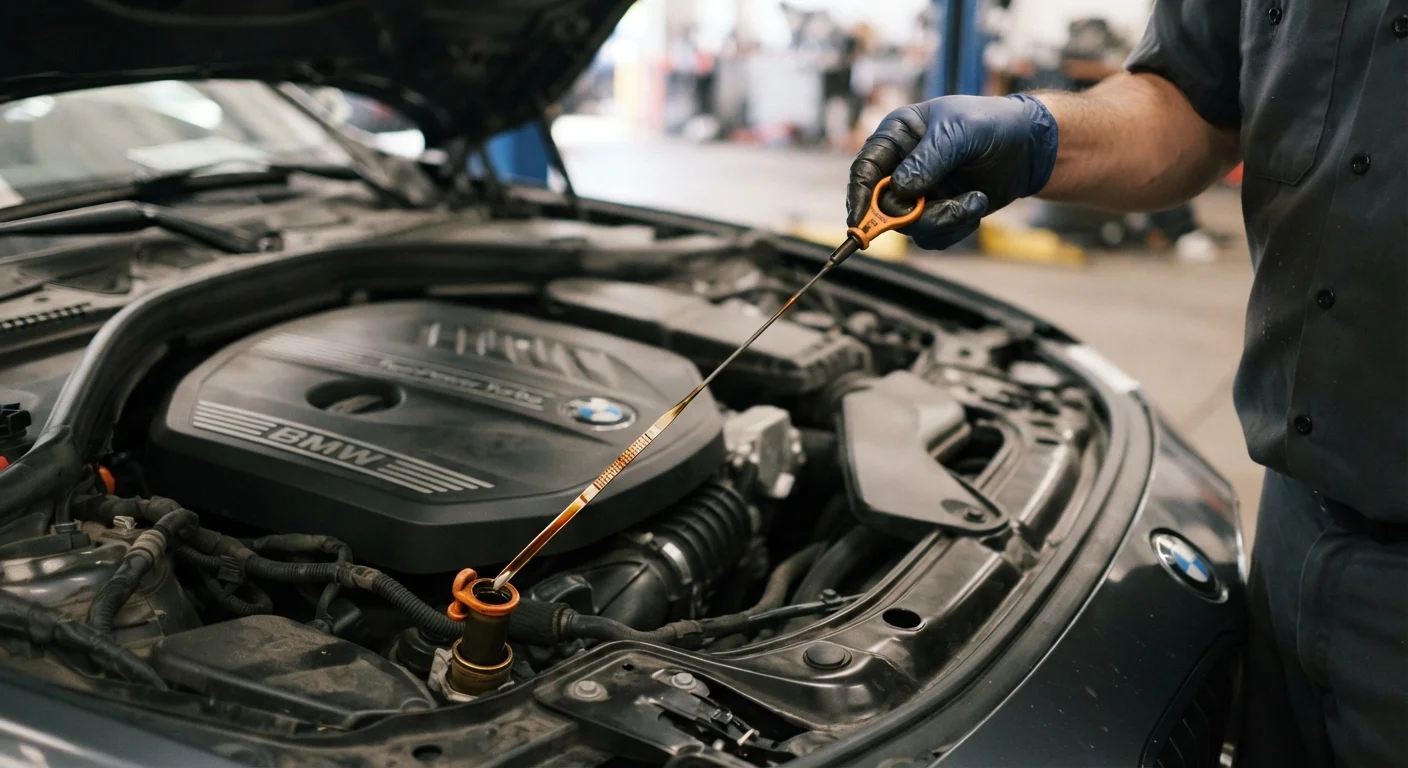
Photo credit: FaqsInsights.com | Stay Informed, Stay Ahead
In this article
The old 3,000-mile oil change rule no longer applies to most modern vehicles. Here's what the science and your owner's manual actually say.
Key Takeaways
- Most modern vehicles can safely go 5,000 to 10,000 miles or more between oil changes.
- Your owner's manual-not a quick-lube shop's sticker-is the authoritative source for your vehicle's interval.
- Synthetic motor oil degrades far more slowly than conventional oil, extending useful service life.
- Changing oil too frequently wastes money and generates unnecessary waste oil without benefiting your engine.
- Driving conditions matter: severe-duty driving may warrant shorter intervals than the standard recommendation.
Where the 3,000-Mile Rule Came From
The 3,000-mile oil change interval became conventional wisdom during an era when engines had looser tolerances, conventional motor oil broke down quickly, and automakers lacked the data to specify precise service intervals. Quick-lube shops reinforced the guideline through marketing, and it stuck in the American driver's mindset for decades.
The problem is that the automotive world has changed dramatically since then. Engine metallurgy is tighter, oil chemistry is vastly more sophisticated, and most manufacturers now equip vehicles with oil-life monitoring systems that calculate the actual condition of the oil - not just elapsed miles. Following a blanket 3,000-mile rule today means ignoring all of that engineering progress. For a broader look at how to use your vehicle's documentation as a maintenance tool, see reading your owner's manual like a maintenance roadmap.
Myth
You need to change your oil every 3,000 miles to keep your engine protected.
Fact
Most modern vehicles with synthetic oil are engineered for intervals of 5,000 to 10,000 miles or more, per manufacturer specifications.
The 3,000-mile guideline was reasonable for older engine designs and conventional petroleum-based oils. Modern full-synthetic formulations resist thermal breakdown and oxidation far longer, and today's engines are built with tolerances that support extended drain intervals. Following the 3,000-mile rule on a current-model vehicle simply means spending money and generating waste oil with no engineering benefit to your engine.
Myth
The sticker the oil change shop puts on your windshield tells you when to come back.
Fact
Quick-lube shop stickers often default to 3,000 miles regardless of your vehicle's actual manufacturer-specified interval.
Those windshield stickers are a shop convenience - and, in many cases, a marketing tool. They are not calibrated to your specific vehicle. Only your owner's manual and, where equipped, your vehicle's oil-life monitoring system reflect the engineering standards that govern your engine's actual needs. Always cross-reference any third-party recommendation against your manual.
Myth
If the oil still looks clear on the dipstick, it doesn't need changing.
Fact
Oil color alone is not a reliable indicator of whether an oil change is needed; additives deplete invisibly over time.
Motor oil contains an additive package - detergents, dispersants, anti-wear agents, and viscosity modifiers - that degrades with use even when the oil appears relatively clean. A sample can look amber and translucent while its protective chemistry is significantly depleted. Relying on visual inspection instead of mileage or an oil-life monitor can lead to inadequate engine protection.
Myth
Synthetic oil causes leaks in older engines, so it's safer to stick with conventional.
Fact
Modern synthetic oils do not cause leaks; early formulations used ester bases that could swell certain seals, but current synthetics are fully compatible with properly functioning seals.
This myth traces back to early synthetic formulations used in the 1970s and 1980s, which could affect certain rubber seal compounds. Contemporary full-synthetic and synthetic-blend oils are engineered to be compatible with modern seal materials. If an older engine develops a leak after switching oil types, the underlying cause is typically a seal that was already compromised - the oil type did not create the problem. A qualified mechanic can assess seal condition before any oil type change on a high-mileage vehicle.
Myth
Changing your oil more often than necessary is a harmless precaution.
Fact
Over-frequent oil changes waste money, generate unnecessary used-oil disposal, and provide no measurable engine protection benefit when the existing oil is still within its service life.
There's an intuitive appeal to the idea that more maintenance is always better, but engineering doesn't work that way. Oil that is functioning within specification is actively protecting your engine. Draining and replacing it early discards both useful oil and unused additive chemistry. The financial cost compounds quickly - a driver changing oil every 3,000 miles on a vehicle designed for 7,500-mile intervals is paying for roughly 2.5 times as many oil changes as needed.
What Modern Oil and Engines Actually Require
Today's full-synthetic motor oils are engineered to maintain viscosity, resist oxidation, and protect engine components well beyond what conventional oils could manage. Many manufacturers specify intervals of 7,500, 10,000, or even 15,000 miles for vehicles running full-synthetic oil under normal driving conditions. These recommendations are backed by rigorous testing - not guesswork.
7,500-10,000 mi
Typical modern synthetic oil change interval
Most major automakers specify this range for vehicles using full-synthetic oil under normal driving conditions, per published owner's manual data.
~$0
Engine benefit from changing oil too early
Automotive engineers and industry organizations including the American Petroleum Institute indicate no measurable engine protection gain from changing oil before the manufacturer's specified interval.
Oil-life monitoring systems, now standard on a wide range of vehicles, use algorithms that factor in engine temperature cycles, RPM patterns, and load conditions to estimate when oil is actually degrading. When the system alerts you, that's the appropriate time to act - not an arbitrary mileage milestone. For a deeper dive into how oil type affects your engine's protection profile, the article on synthetic vs. conventional motor oil is worth reading.
Don't Ignore Severe-Service Conditions
If you regularly tow a trailer, drive frequently in stop-and-go urban traffic, make many short trips in cold weather, or operate in extremely dusty environments, your vehicle may qualify as severe service. In those cases, your owner's manual will specify a shorter interval - and you should follow it. An oil-life monitor accounts for some of these factors automatically, but always confirm with your manual.
It's also worth noting that unnecessarily frequent oil changes aren't harmless. Each discarded oil change contributes to used-oil waste, and the cumulative cost adds up for drivers who change oil every 3,000 miles on a vehicle designed for 10,000-mile intervals. The hidden costs of skipping routine maintenance article covers the flip side: what happens when legitimate service intervals are ignored entirely.
How to Find Your Vehicle's Actual Interval
The single most reliable source is your owner's manual. It will specify an interval - in miles, months, or both - appropriate for your specific engine, oil type, and expected driving conditions. It may also distinguish between normal and severe service schedules.
Severe service conditions include frequent short trips under five miles, stop-and-go traffic in extreme temperatures, towing or hauling heavy loads, and sustained highway driving in dusty or hilly terrain. If your driving pattern fits the severe category, the shorter interval listed in your manual applies. If you're a predominantly highway driver covering long distances on a modern vehicle with synthetic oil, the standard interval likely applies. Drivers newer to vehicle ownership can find additional guidance in our article on car maintenance for new drivers.
Your Owner's Manual Overrides Everything Else
No third-party sticker, no general rule of thumb, and no well-meaning advice supersedes the interval documented in your vehicle's owner's manual. That document reflects the specific engineering decisions made for your engine, oil type, and design tolerances. If you've misplaced your manual, most manufacturers make digital versions available through their official websites or customer service lines.

Author
Cars & Driving Editorial Team
Cars & Driving Editorial Team is the collective byline for our editorial team and contributor network. Articles published under this byline or an editorial pen name are researched, written, and reviewed according to our editorial standards for clarity, consistency, and independence before publication.
View all articles →