
The Hidden Costs of Skipping Routine Maintenance
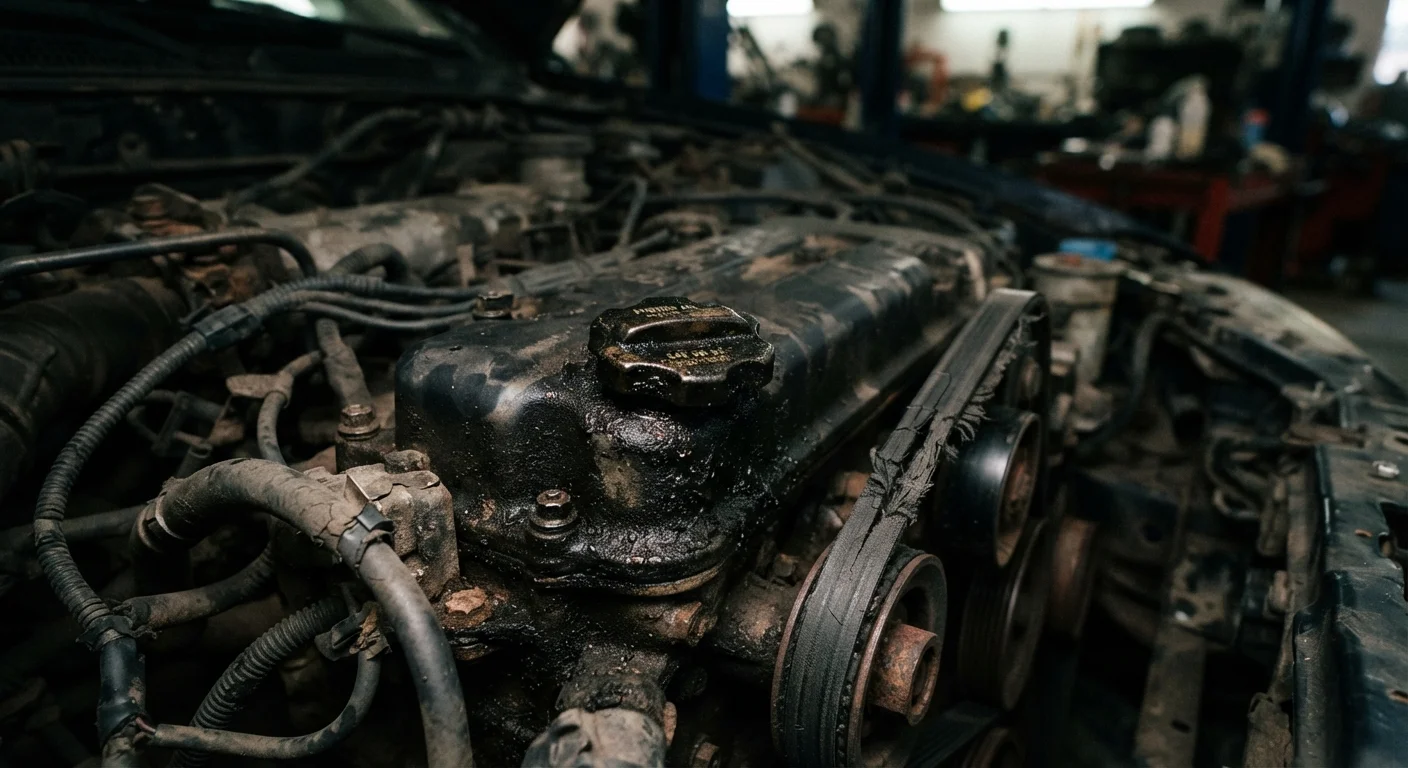
Photo credit: FaqsInsights.com | Stay Informed, Stay Ahead
In this article
Delaying oil changes, ignoring worn belts, or skipping tire rotations often leads to repair bills that dwarf the original service cost.
Key Takeaways
- Skipping routine maintenance rarely saves money - deferred costs typically multiply over time.
- Common skipped services like oil changes and tire rotations protect systems worth thousands of dollars.
- Consistent upkeep preserves resale value and keeps safety-critical components functioning correctly.
- Many expensive repairs are directly traceable to a single missed service interval.
Prevents small problems from becoming major failures
Regular inspections catch deteriorating components - worn belts, low fluid levels, thinning brake pads - before they trigger cascading damage to connected systems.
Predictable costs replace unpredictable repair bills
Scheduled maintenance has a known price. Emergency repairs, towing, and rental cars do not - and they often arrive at the worst financial moments.
Maintains safety-critical system performance
Brakes, tires, and steering components all depend on regular servicing to perform within design specifications, particularly in emergency maneuvers.
Preserves resale and trade-in value
A documented service history signals to buyers and appraisers that the vehicle has been cared for, supporting a stronger valuation at the point of sale.
Extends overall vehicle lifespan
Vehicles that receive consistent maintenance routinely outlast those that don't - often by tens of thousands of miles - reducing the total cost of ownership over time.
Upfront costs feel significant relative to the service
A $150 transmission fluid service or $200 coolant flush can feel hard to justify, particularly when the vehicle appears to be running fine.
Time investment for scheduling and drop-offs
Coordinating service appointments around work and family schedules is a genuine friction point, and some services require leaving the vehicle for a full day.
Risk of unnecessary upsells at service centers
Not every recommendation made during a routine visit reflects an actual need. Drivers without mechanical knowledge may feel pressured into services that aren't yet due.
Why Deferred Maintenance Is a False Economy
When a budget is tight, routine maintenance appointments can feel like optional expenses. An oil change, a tire rotation, a coolant flush - each one seems minor in isolation. But these services exist because vehicle systems degrade on predictable timelines, and the engineering behind your car assumes those intervals will be honored.
Skipping a service doesn't eliminate the underlying wear - it just removes the opportunity to catch it before it escalates. A $60 oil change protects an engine that may cost $4,000 or more to replace. A $25 cabin air filter protects an HVAC blower motor. The arithmetic is rarely in favor of delay.
For drivers new to ownership, understanding which tasks matter most is the first step. Our guide for new drivers outlines the core upkeep responsibilities that apply from day one.
Prevents small problems from becoming major failures
Regular inspections catch deteriorating components - worn belts, low fluid levels, thinning brake pads - before they trigger cascading damage to connected systems.
Predictable costs replace unpredictable repair bills
Scheduled maintenance has a known price. Emergency repairs, towing, and rental cars do not - and they often arrive at the worst financial moments.
Maintains safety-critical system performance
Brakes, tires, and steering components all depend on regular servicing to perform within design specifications, particularly in emergency maneuvers.
Preserves resale and trade-in value
A documented service history signals to buyers and appraisers that the vehicle has been cared for, supporting a stronger valuation at the point of sale.
Extends overall vehicle lifespan
Vehicles that receive consistent maintenance routinely outlast those that don't - often by tens of thousands of miles - reducing the total cost of ownership over time.
The Real Costs of Common Skipped Services
Certain maintenance items carry outsized consequences when neglected:
- Engine oil: Old oil loses viscosity and accumulates combustion byproducts, increasing friction and heat. Extended neglect can cause sludge buildup that restricts oil passages, leading to accelerated wear or catastrophic engine failure. Modern oil change intervals vary by vehicle and oil type - consult your owner's manual rather than defaulting to outdated rules.
- Timing belt or chain: A snapped timing belt can cause valve and piston damage that totals an otherwise healthy engine. Replacement on schedule is far less expensive than the failure scenario.
- Tire rotation: Uneven tire wear shortens tire lifespan and, if severe, compromises handling and braking performance - particularly in wet conditions.
- Brake fluid: Moisture absorption degrades brake fluid over time, lowering its boiling point and potentially causing brake fade under hard use.
Upfront costs feel significant relative to the service
A $150 transmission fluid service or $200 coolant flush can feel hard to justify, particularly when the vehicle appears to be running fine.
Time investment for scheduling and drop-offs
Coordinating service appointments around work and family schedules is a genuine friction point, and some services require leaving the vehicle for a full day.
Risk of unnecessary upsells at service centers
Not every recommendation made during a routine visit reflects an actual need. Drivers without mechanical knowledge may feel pressured into services that aren't yet due.
Certain everyday driving habits compound the damage from deferred maintenance. Our article on habits that shorten a car's lifespan identifies the behaviors that accelerate wear beyond what skipped services alone would cause.
Maintenance Records and Resale Value
Beyond mechanical health, consistent maintenance directly affects what your vehicle is worth. Private buyers and dealerships alike discount vehicles with no documented service history - the absence of records signals unknown risk. A well-maintained vehicle with a verifiable log commands a measurably stronger resale position.
Service History Gaps Are Visible to Buyers
When a used vehicle is inspected or appraised, gaps in the service record are treated as risk factors - not just oversights. Buyers may negotiate aggressively on price or walk away entirely when records are absent. Even partial documentation is meaningfully better than none.
Keeping a maintenance log doesn't require expensive software. A simple dated record of each service, the mileage, and what was performed is sufficient. Our vehicle maintenance log guide explains how to build and sustain one that pays dividends at resale time.
$1,200+
Average cost of neglect-related engine repairs
Industry data from repair networks consistently shows that engine-related failures linked to oil neglect rank among the most expensive non-collision repairs.
25-30%
Potential reduction in tire lifespan without rotation
Tire manufacturers and automotive engineers note that unrotated tires can wear significantly faster on drive axles, reducing usable mileage well below rated lifespan.
Making a Maintenance Schedule Work for You
The most common barrier to routine maintenance isn't cost - it's awareness. Most drivers don't know their vehicle's actual service intervals because they've never read the owner's manual or had someone walk them through the schedule.
A practical approach: at each oil change, ask the service technician to flag any upcoming scheduled maintenance based on your current mileage. This converts a single-item visit into a forward-looking plan. For those choosing between oil types, understanding the difference matters - synthetic vs. conventional motor oil carry different protection levels and interval recommendations.
Consistency, not perfection, is the goal. A service performed slightly late is far better than one skipped indefinitely. Building a habit around your vehicle's schedule - rather than waiting for warning lights - is the single most effective thing a driver can do to reduce long-term ownership costs.

Author
Cars & Driving Editorial Team
Cars & Driving Editorial Team is the collective byline for our editorial team and contributor network. Articles published under this byline or an editorial pen name are researched, written, and reviewed according to our editorial standards for clarity, consistency, and independence before publication.
View all articles →