
Habits That Quietly Shorten Your Car's Lifespan
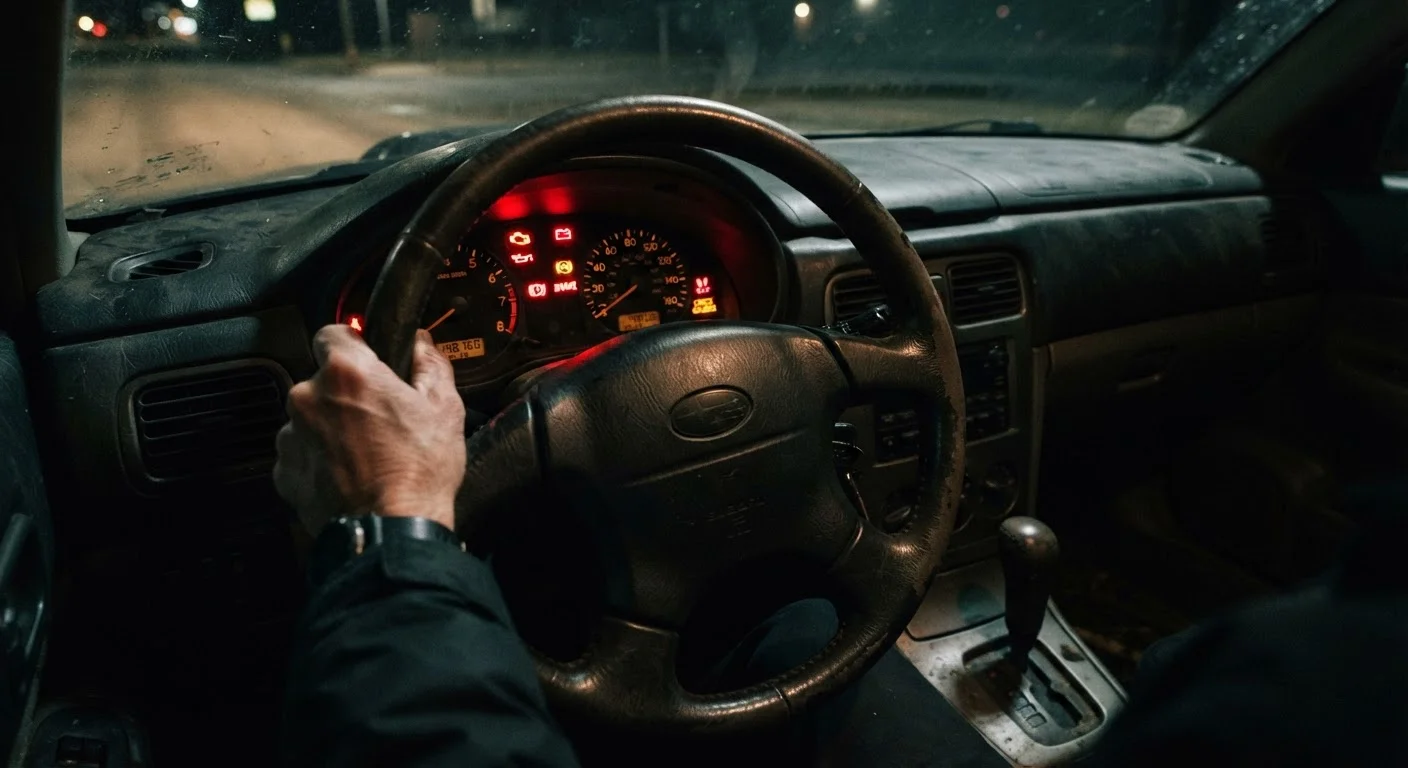
Photo credit: FaqsInsights.com | Stay Informed, Stay Ahead
In this article
Hard braking, riding the clutch, ignoring warning lights — everyday habits that accelerate wear and how to correct them without overhauling your routine.
Key Takeaways
- Frequent hard braking accelerates brake pad and rotor wear far beyond normal use.
- Running on a low fuel tank can damage your fuel pump over time.
- Ignoring dashboard warning lights often turns a minor issue into an expensive repair.
- Short trips that never fully warm the engine contribute to oil contamination and premature wear.
- Resting your hand on the gear shifter creates constant pressure on the transmission's selector fork.
Why Small Habits Do Big Damage
Most mechanical wear doesn't come from a single dramatic event - a blown tire on the highway or a seized engine. It accumulates quietly through patterns repeated thousands of times over years of ownership. A habit that seems inconsequential on any given Tuesday - coasting to a red light at the last second, glancing past a lit dashboard symbol, letting the needle flirt with empty - compounds into accelerated wear and, eventually, repair costs that feel surprising but are entirely predictable.
The habits below aren't about becoming a perfect driver or following an exhaustive checklist. They're about identifying a handful of common behaviors, understanding why they cause wear, and making small corrections. Drivers new to ownership will find additional context in our guide to car maintenance responsibilities for new drivers.
Severe vs. Normal Driving Conditions
Most owner's manuals list two maintenance schedules: normal and severe. Severe duty applies to frequent short trips, extreme temperatures, towing, or stop-and-go commuting. Many drivers qualify for the severe schedule without realizing it, meaning their standard service intervals may be too long for their actual usage. Check your manual's definitions and adjust accordingly.
Six Habits Worth Changing
Braking hard as a default, not a last resort
Hard braking - stomping the pedal at the last moment rather than gradually slowing down - generates intense heat and friction that wears brake pads and rotors far faster than progressive braking does. Brake components are designed with a lifespan measured in miles, and aggressive habits can cut that lifespan significantly.
The fix is straightforward: increase your following distance and scan further ahead so you have time to slow gradually. This is both a vehicle-care habit and a safety habit. See our guide to speed and stopping distance for the physics behind why earlier braking makes such a difference. If you're already noticing uneven wear, uneven brake pad wear can also signal a stuck caliper worth inspecting.
Stomping the brake at the last moment can cut pad and rotor lifespan significantly.
Ignoring dashboard warning lights
A warning light is not a suggestion. When your vehicle's onboard systems flag an issue - whether it's low oil pressure, an overheating engine, or a tire pressure alert - the problem exists whether you acknowledge it or not. Driving on while dismissing the light typically turns a manageable fix into a larger repair.
Make it a habit to investigate any new light within a day or two, and treat red or flashing indicators as requiring immediate attention. Our reference on what dashboard warning lights actually mean explains each symbol and how urgently to respond.
Dismissing a warning light doesn't make the underlying problem disappear - it lets it grow.
Taking only short trips that never fully warm the engine
Engines are designed to operate efficiently at normal operating temperature. When most of your trips are under five minutes, the engine never fully warms up, meaning condensation and combustion byproducts accumulate in the oil rather than being burned off. Over time, this contaminates the oil and accelerates internal wear on cylinders, pistons, and bearings.
If short trips are unavoidable, consider a slightly more frequent oil change interval than your manual's standard recommendation for normal driving - and consult your owner's manual as a maintenance roadmap for severe-duty intervals that apply to your situation.
Engines that rarely reach full operating temperature accumulate oil contamination faster.
Resting your hand on the gear shifter
In manual-transmission vehicles, resting your hand on the gear shifter between changes feels natural but applies constant, low-level pressure to the selector fork inside the gearbox. That fork is not designed for sustained contact pressure - it's meant to move briefly and disengage. Over years of driving with a hand resting on the lever, the selector fork wears prematurely.
The correction is simple: keep both hands on the wheel except when actively changing gears. It's a minor adjustment that extends transmission life without any cost.
A hand resting on the shifter puts constant pressure on internal gearbox components not designed for it.
Running the fuel tank consistently low
Modern fuel-injected vehicles use the fuel in the tank to cool and lubricate the electric fuel pump, which is submerged in the tank. When you habitually run the tank to near-empty, the pump is exposed to heat and runs with less lubrication, shortening its lifespan. Fuel pump replacement is a repair that most drivers are caught off-guard by - and it's largely avoidable.
Keeping the tank at least a quarter full is a low-effort habit that pays off over a vehicle's lifetime. For a broader look at fluid-related wear, see our guide to your car's fluid ecosystem.
Running near-empty regularly starves the fuel pump of the cooling it relies on to survive.
Skipping tire pressure checks
Underinflated tires flex excessively with each rotation, generating heat and uneven wear across the tread. Overinflated tires contact the road on a narrower central strip, also wearing unevenly and reducing grip. Either condition shortens tire life, reduces fuel efficiency, and affects handling - yet tire pressure can drift by several PSI in a matter of weeks due to temperature changes alone.
A monthly pressure check takes under two minutes and is one of the highest-return maintenance habits available to any driver. Our tire maintenance guide covers pressure, tread depth, rotation, and alignment in full detail.
Tire pressure can drift enough to cause real wear within weeks, especially as temperatures change.
Build a Simple Maintenance Log
Recording each service - date, mileage, and what was done - takes less than a minute but pays dividends when diagnosing problems, tracking intervals, and demonstrating care history if you sell the vehicle. Even a basic notes app entry works. See our article on keeping a vehicle maintenance log for a practical system.
The Compounding Cost of Doing Nothing
Each habit on this list represents a decision point that repeats daily or weekly. Individually, the wear from any single instance is negligible. Cumulatively, across months and years, these patterns determine whether a vehicle reaches 150,000 miles in reasonable condition or starts generating serious repair bills at 80,000.
The financial dimension is well documented: deferred maintenance rarely saves money. Our article on the hidden costs of skipping routine maintenance breaks down how small omissions translate into large repair invoices. Correcting even two or three of the habits above - without overhauling your entire routine - can meaningfully extend the life of a vehicle you've already invested in.

Author
Cars & Driving Editorial Team
Cars & Driving Editorial Team is the collective byline for our editorial team and contributor network. Articles published under this byline or an editorial pen name are researched, written, and reviewed according to our editorial standards for clarity, consistency, and independence before publication.
View all articles →