
Reading Your Owner's Manual Like a Maintenance Roadmap
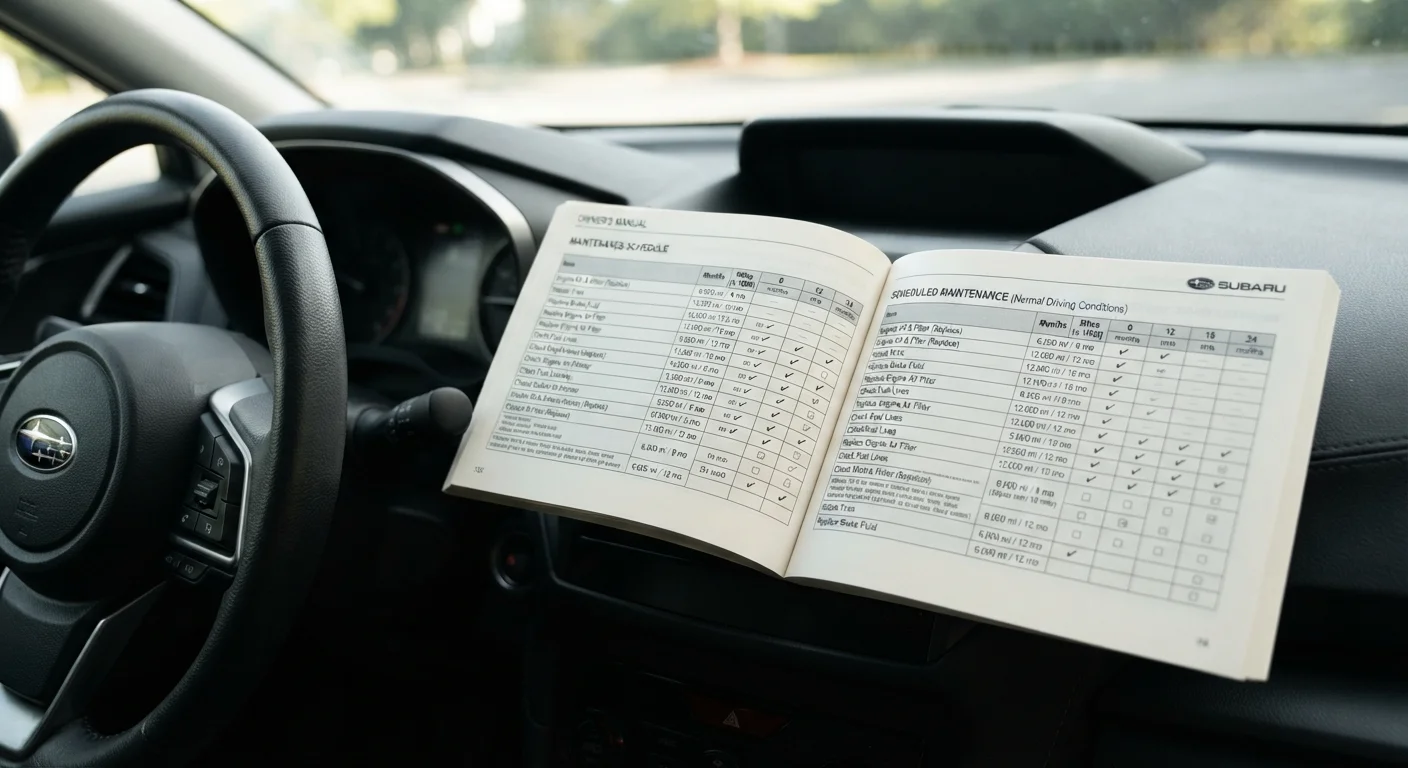
Photo credit: FaqsInsights.com | Stay Informed, Stay Ahead
In this article
Your owner's manual contains the most accurate maintenance schedule for your specific vehicle. Here's how to navigate and use it effectively.
Key Takeaways
- Your owner's manual contains a vehicle-specific maintenance schedule more accurate than generic service recommendations.
- Most manuals include two schedules - normal and severe duty - and knowing which applies to you matters.
- Key sections to locate: maintenance schedule, fluid specifications, and tire and warning light information.
- Following your manual's intervals can help prevent costly repairs caused by deferred maintenance.
- Digital versions of most owner's manuals are available free from manufacturer websites.
Why Your Owner's Manual Beats Generic Advice
Generic maintenance advice - the kind on reminder stickers, manufacturer marketing, or passed down from well-meaning mechanics - is built around averages. Your owner's manual, by contrast, is written specifically for your engine, drivetrain, and operating tolerances. It accounts for the materials your vehicle was built with, the fluids it was designed around, and the intervals that engineering and testing determined appropriate.
This distinction matters more than many drivers realize. Following intervals that are either too conservative or too relaxed for your vehicle can lead to unnecessary expense or accelerated wear. The hidden costs of skipping routine maintenance are often traceable to service intervals that didn't match the vehicle's actual needs.
No Physical Manual? Go Digital
Most manufacturers offer free PDF downloads of owner's manuals through their official websites. Search your vehicle's year, make, and model along with 'owner's manual PDF.' Some brands also provide interactive digital versions through their apps or owner portals, which can make searching for specific sections much faster.
If you're new to car ownership and wondering where the owner's manual fits into the broader picture of upkeep, the new driver's maintenance guide provides a solid foundation to build on.
Don't Rely Solely on Generic Service Reminders
Oil change stickers, mileage-based shop recommendations, and even dealership service advisors may not reflect your vehicle's actual factory requirements. Manufacturer specifications in your owner's manual account for your specific engine design, fluid capacities, and operating tolerances. Always cross-reference generic advice against your manual before committing to a service interval.
What You'll Need Before You Start
What you will need
Owner's Manual
The primary reference document containing your vehicle's factory-specified maintenance schedules and fluid requirements.
Maintenance Log or Notebook
Used to record service dates, mileage, and completed tasks as you track your vehicle's upkeep over time.
Highlighter or Sticky Tabs
Helps mark frequently referenced sections such as the maintenance schedule, fluid specs, and warning light guide.
How to Read Your Owner's Manual as a Maintenance Roadmap
Locate the Maintenance Schedule Section
Open your owner's manual and look for a chapter titled something like "Scheduled Maintenance," "Maintenance Schedule," or "Service Intervals." This is usually found in the back third of the manual. Use the table of contents or index - search under 'M' for maintenance or 'S' for service. This section is the core of the document for routine upkeep purposes.
Identify Whether You Drive Under Normal or Severe Conditions
Most maintenance schedules are split into two tracks: Normal and Severe (sometimes called Special Operating Conditions). Read the definitions your manufacturer provides carefully. Severe duty commonly includes frequent trips under 5 miles, prolonged idling, towing or hauling heavy loads, driving in dusty or mountainous terrain, and operating in extreme heat or cold.
Many urban and suburban drivers actually qualify for severe-duty schedules, even though the label sounds extreme.
Map Out Each Service Item and Its Interval
Work through the schedule line by line. For each service item - oil and filter, air filter, spark plugs, coolant flush, transmission fluid, brake fluid, belts, and so on - note the recommended mileage or time interval, whichever comes first. Create a simple list in your maintenance log with each item and when it's next due based on your current mileage.
This gives you a clear picture of what's upcoming rather than reacting to problems after they appear. For a deeper look at fluids specifically, see your car's fluid ecosystem guide.
Note Fluid Types and Specifications
Your manual will specify exact fluid grades and standards - for example, the viscosity of engine oil (such as 0W-20 or 5W-30) and whether it must meet a particular industry specification. Using the wrong fluid type, even if it's labeled for the same application, can affect performance and warranty coverage.
Record the correct spec for each fluid in your maintenance log so you have it on hand when speaking with a shop or purchasing supplies. The oil change intervals article explains why the old 3,000-mile rule no longer applies to most modern vehicles and how to read what your manual actually recommends.
Cross-Reference Tire and Safety Information
Your owner's manual includes a tire section that lists recommended tire size, load rating, and the correct cold inflation pressure for front and rear tires - often different from what's printed on the tire sidewall itself. The sidewall shows the tire's maximum capacity; your manual shows what the manufacturer specifies for your vehicle. Always use the manual figure (also printed on the door jamb sticker) for proper inflation.
For a complete look at rotation intervals and tread depth guidelines, the tire maintenance guide covers these in detail.
Build a Running Maintenance Log from What You've Found
With your manual's schedule mapped out, start a maintenance log recording every service completed: the date, the odometer reading, and what was done. This log becomes a chronological history of your vehicle's care - useful for resale, diagnostics, and staying on schedule.
Keeping a vehicle maintenance log protects resale value and gives any mechanic or future owner a reliable service history at a glance.
Putting Your Manual to Ongoing Use
Reading your manual once is a start - the real value comes from returning to it. When a dashboard warning light appears, your manual's warning light section is the first place to check before searching online or heading to a shop. The dashboard warning lights guide provides additional context on interpreting common symbols.
Severe vs. Normal Duty: Choose Carefully
Misidentifying your driving conditions as 'normal' when they're actually 'severe' can lead to under-maintained systems. Frequent short trips, stop-and-go traffic, towing, dusty environments, and extreme temperatures all typically qualify as severe duty. When in doubt, the severe-duty schedule is the more protective choice.
If you're weighing which tasks to handle yourself versus taking to a professional, understanding your manual first gives you a much stronger position. It tells you what's due, what's involved, and what specifications any work must meet. The DIY vs. shop guide can help you draw that line sensibly.
Your owner's manual isn't a document to read once and forget - it's a reference tool that pays dividends every time you consult it.

Author
Cars & Driving Editorial Team
Cars & Driving Editorial Team is the collective byline for our editorial team and contributor network. Articles published under this byline or an editorial pen name are researched, written, and reviewed according to our editorial standards for clarity, consistency, and independence before publication.
View all articles →