
What Your Dashboard Warning Lights Are Actually Telling You
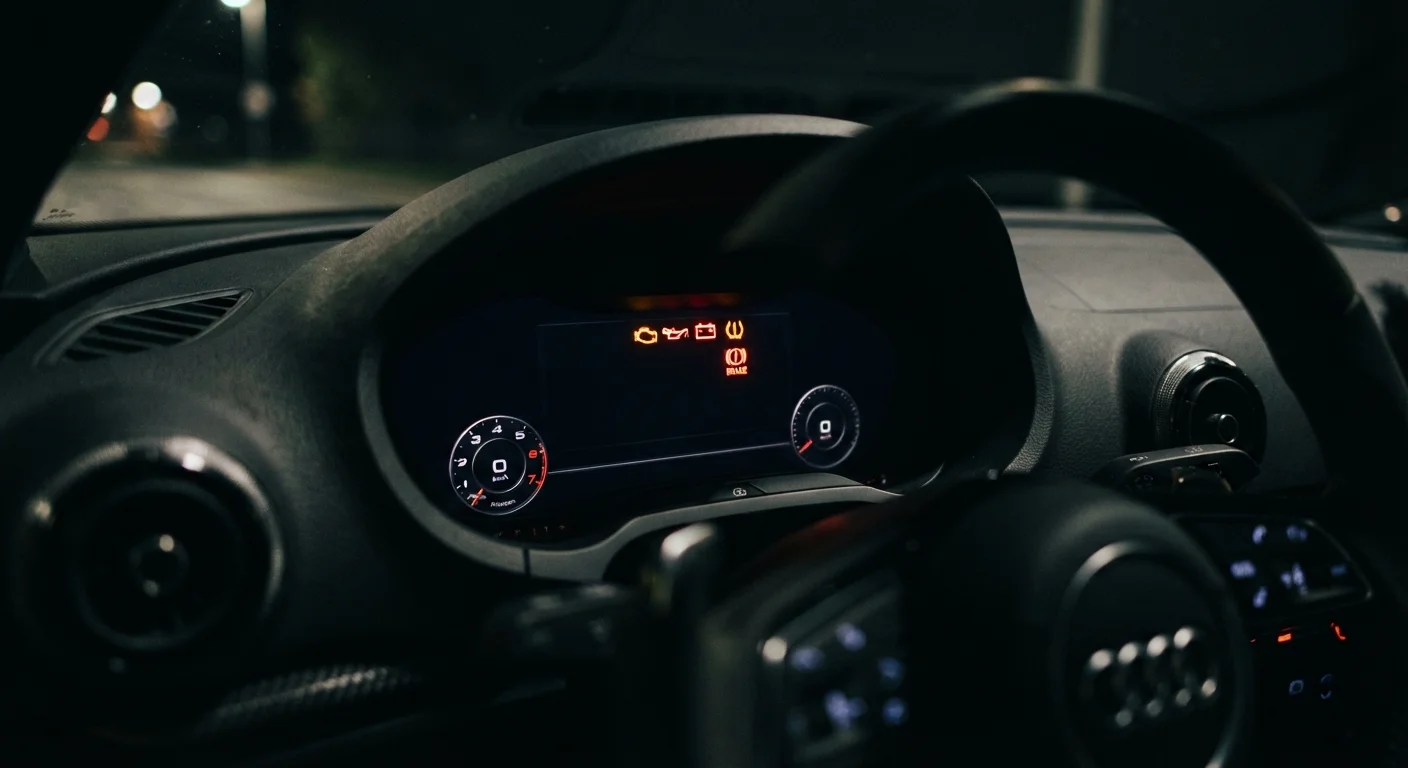
Photo credit: FaqsInsights.com | Stay Informed, Stay Ahead
In this article
From the check engine light to tire pressure alerts, learn what each dashboard symbol means and when it demands immediate attention.
The Color Code: What the Light's Shade Tells You First
Before you can decode a specific symbol, understand what its color communicates. Dashboard warning systems in modern vehicles follow a broadly consistent color hierarchy:
- Red - A serious fault that may require you to stop driving immediately. Examples include oil pressure loss, engine overheating, or brake system failure.
- Yellow or amber - Something needs attention soon, but you typically have time to schedule a service visit. The check engine light and TPMS alert both fall here.
- Green or blue - Informational only. These confirm a feature is active, such as high beams or cruise control.
Treating a red light with the same urgency as an amber one - or ignoring either - is one of the habits that quietly shorten a car's lifespan. When in doubt, err on the side of caution.
| Warning light colors: red | Immediate action required - stop driving or pull over safely |
| Warning light colors: yellow/amber | Caution - service needed soon, monitor closely |
| Warning light colors: green/blue | Informational - system active or feature engaged |
| Check engine light causes | Hundreds of potential fault codes, from a loose gas cap to a failing catalytic converter |
| TPMS trigger threshold | Typically 25% below recommended PSI (U.S. NHTSA TPMS regulation) |
| Oil pressure light response | Stop the engine as soon as safely possible |
The Lights That Demand Immediate Attention
Certain warning lights should prompt you to pull over safely and cut the engine as soon as traffic conditions allow.
Oil Pressure Warning
This is not an oil change reminder - it signals that oil pressure has dropped critically low. Continuing to drive risks catastrophic engine damage within minutes. Pull over, shut off the engine, and check the oil level only once the engine has cooled.
Engine Temperature (Coolant Temp)
A thermometer symbol in red means your engine is overheating. Turn off the AC, and if temperatures don't drop quickly, pull over safely. Never open the radiator cap on a hot engine. See our breakdown of what coolant does and how to monitor it for context.
Brake System Warning
If this appears while driving (not just at startup with the parking brake engaged), it could indicate low brake fluid or a hydraulic failure. Have the vehicle inspected before driving further.
Battery / Charging System
A battery symbol while driving suggests the charging system has failed - the vehicle is running on stored battery power alone and may stop soon. Minimize electrical load and head to a service location promptly. Slow cranking and dim lights often precede this; learn the signs your battery is on its way out before it becomes an emergency.
Amber Alerts: Schedule Service, Don't Ignore
MIL (Malfunction Indicator Lamp)
The technical name for the check engine light. It illuminates when the vehicle's onboard diagnostic system detects an emissions- or engine-related fault code.
OBD-II
On-Board Diagnostics, second generation - a standardized system used in most vehicles sold in the US since 1996 that monitors engine and emissions performance and stores fault codes readable by a scan tool.
TPMS
Tire Pressure Monitoring System - a sensor-based system that alerts the driver when one or more tires fall significantly below the recommended inflation pressure.
Idiot Light
A colloquial term for simple binary warning lights (on or off) that replaced analog gauges in older vehicles. Modern systems provide more nuanced alerts and fault codes.
Fault Code (DTC)
A Diagnostic Trouble Code stored by the OBD-II system when a sensor reading falls outside expected parameters. Mechanics read these codes with a scan tool to pinpoint problems.
Limp Mode
A protective vehicle state triggered automatically when a serious drivetrain fault is detected. The vehicle reduces speed and power to prevent further damage while allowing the driver to reach safety.
These lights aren't emergencies in most cases, but delaying action can turn them into one.
Check Engine Light (MIL)
This amber light can represent hundreds of different fault codes - from a loose gas cap to a failing oxygen sensor. A flashing check engine light, however, indicates an active misfire that can damage the catalytic converter: treat a flashing light as urgent. A scan tool (available at many auto parts stores) can read the stored diagnostic trouble code and narrow down the cause.
TPMS (Tire Pressure Monitoring System)
Federal law requires vehicles sold in the US since 2008 to include TPMS. The alert triggers when a tire is roughly 25% below the recommended pressure - but by that point, handling and fuel economy are already affected. Check all four tires with a manual gauge; the TPMS won't tell you which tire is low on all vehicles. For a full picture of tire health, see our guide to tire maintenance from the ground up.
Traction Control / Stability Control
A brief flash during acceleration on slippery roads is normal - the system is working. A steady light may indicate the system is disabled or has a fault worth investigating.
Your Owner's Manual Is the Final Authority
Warning light icons and their exact meanings can vary between manufacturers. What looks like a generic symbol on one vehicle may indicate something different on another. Always cross-reference any unfamiliar warning light with your owner's manual before drawing conclusions. See our guide on reading your owner's manual effectively for help navigating it.
Before You Hit the Road: Put Your Knowledge to Work
Understanding your warning lights is one layer of vehicle preparedness. Regularly checking fluids, tire pressure, and battery health reduces the likelihood that a warning light will surprise you mid-drive. Before a long trip especially, a structured walkthrough - covering tires, lights, and fluid levels - is one of the most effective ways to catch developing issues early. Our pre-drive safety walkthrough provides a structured checklist for exactly that purpose.
When a warning light does appear, the right response depends on its color and context: stop immediately for red, schedule service promptly for amber, and always consult your owner's manual when a symbol is unfamiliar. No dashboard light should be taped over or dismissed - these systems exist because catching a small problem early nearly always costs less than repairing the damage from ignoring it.
1 in 4
Vehicles on US roads with a lit check engine light
According to data cited by the Car Care Council, roughly one in four vehicles on US roads has a check engine light illuminated at any given time.
~25%
Pressure drop that triggers TPMS alert
Federal regulations require TPMS systems to warn drivers when tire pressure drops to 25% or more below the vehicle manufacturer's recommended level.

Author
Cars & Driving Editorial Team
Cars & Driving Editorial Team is the collective byline for our editorial team and contributor network. Articles published under this byline or an editorial pen name are researched, written, and reviewed according to our editorial standards for clarity, consistency, and independence before publication.
View all articles →