
Signs Your Car Battery Is On Its Way Out
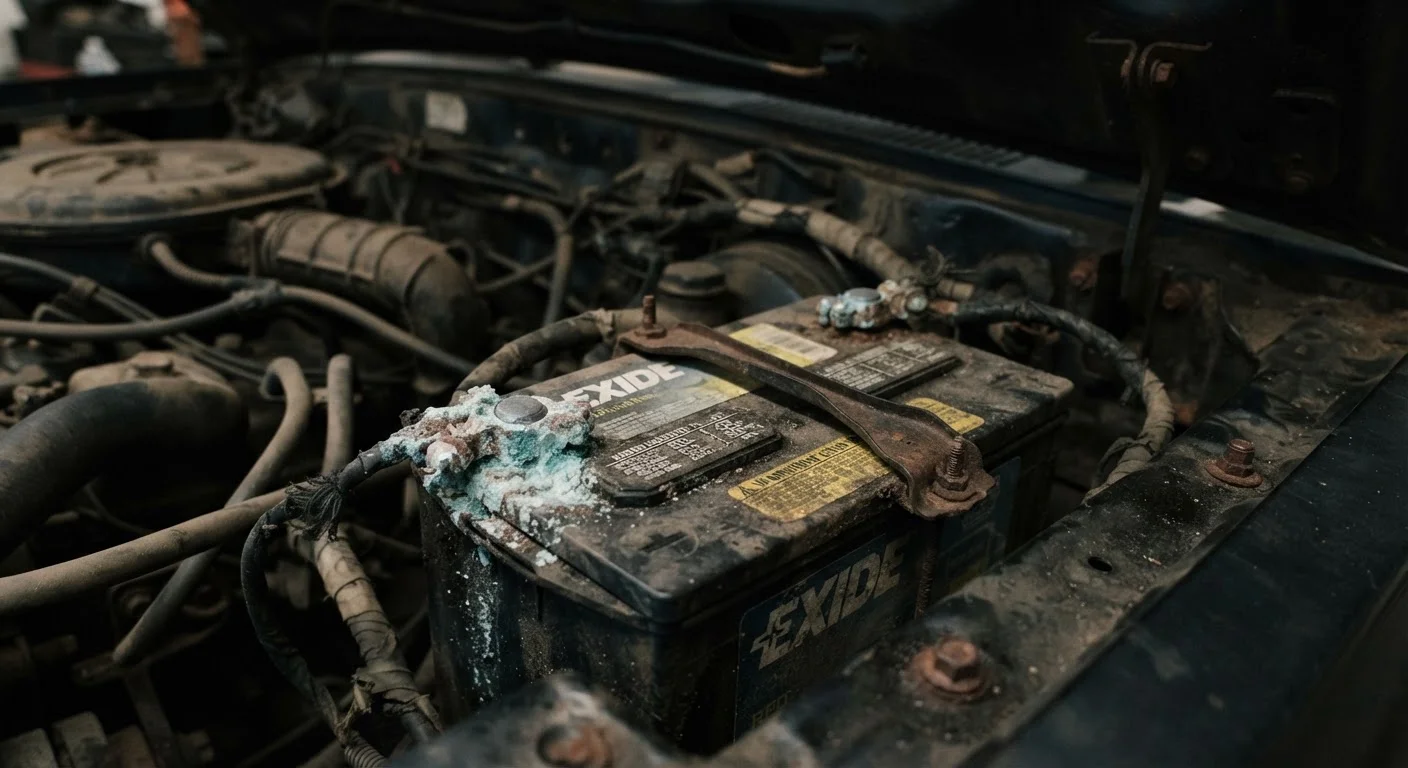
Photo credit: FaqsInsights.com | Stay Informed, Stay Ahead
In this article
Slow cranking, dim headlights, and electrical glitches can all point to a weakening battery. Understand what to watch for before you're stranded.
Key Takeaways
- Most car batteries last 3-5 years, though climate and driving habits affect lifespan.
- Slow engine cranking is one of the earliest and most reliable warning signs.
- Dim headlights and erratic electronics often point to a battery struggling under load.
- Corrosion on battery terminals can accelerate discharge and cause connection problems.
- A battery can be load-tested at most auto shops to confirm its remaining capacity.
- Cold weather dramatically reduces battery output, making winter the highest-risk season for failure.
Why Battery Warning Signs Are Worth Taking Seriously
A dead battery is one of the most common - and most preventable - reasons drivers end up stranded. Unlike a flat tire or a cracked windshield, battery degradation is invisible until it isn't. The good news: your car usually telegraphs the problem well in advance if you know what to look for.
Most lead-acid batteries in everyday vehicles have a usable life of roughly 3 to 5 years. After that window, the battery's ability to hold and deliver a charge declines - sometimes gradually, sometimes more quickly depending on driving conditions. Certain driving habits, like frequent very short trips that prevent a full recharge cycle, can shorten that lifespan further.
Understanding the early signs of battery trouble gives you the lead time to plan a replacement - rather than react to a surprise failure in a parking lot or on the highway.
3-5 years
Typical car battery lifespan
Industry guidance from automotive service organizations generally places average battery life in this range, with climate and usage patterns as key variables.
~50%
Reduction in battery capacity at 0°F
Cold temperatures can cut a battery's cranking power roughly in half compared to performance at moderate temperatures, according to battery industry data.
1 in 3
Vehicles with a weak or failing battery
Roadside assistance providers consistently report that battery-related calls are among the most frequent, suggesting a large share of vehicles on the road carry an underperforming battery.
Common Warning Signs Your Battery Is Weakening
Slow or Labored Engine Cranking
When you turn the key or press the start button, a healthy battery delivers a strong, immediate burst of power to the starter motor. If you notice the engine turning over more slowly than usual - that sluggish rrr-rrr-rrr before it catches - the battery may be losing its ability to produce adequate current. This is one of the earliest and most consistent indicators.
Dim or Flickering Lights
Your headlights, interior lights, and dashboard illumination all draw power from the battery and charging system. If lights appear noticeably dimmer than usual, especially when idling, or flicker when you activate accessories like the rear defroster or A/C, the battery may not be sustaining adequate voltage under load.
Electrical Gremlins and Accessory Failures
Modern vehicles rely on a stable electrical supply for everything from power windows to infotainment screens. Unexplained glitches - a radio that resets, windows that respond slowly, or a backup camera that hesitates - can sometimes trace back to an inconsistent power supply from an aging battery. Always pay attention to dashboard warning lights, including any battery or charging system indicator.
The Battery Warning Light
Many vehicles have a dedicated battery or charging system warning light - typically shaped like a battery icon. If it illuminates while driving, it indicates the charging system isn't maintaining proper voltage, which could involve the battery, alternator, or both. This warrants prompt professional attention.
Corrosion on the Terminals
A white, blue, or greenish powdery buildup around the battery terminals signals a chemical reaction that's creating resistance in the connection. Even if the battery itself still has capacity, corroded terminals can interfere with power delivery - causing symptoms that mimic a dying battery.
Check the Date Code on Your Battery
Most batteries have a date code stamped or stickered on the case - often a letter for the month and a number for the year (e.g., 'B24' for February 2024). If your battery is approaching four years old and you haven't had it tested recently, scheduling a load test is a low-effort way to catch a problem before it catches you.
Cold Weather and Battery Vulnerability
Temperature is the single biggest environmental factor in battery performance. Cold weather thickens engine oil, requiring more energy to crank the engine - at the same moment it reduces the battery's available output. A battery that performs adequately in September may struggle badly in January.
This is why battery failures spike in winter. If your vehicle is due for a battery check, doing it before cold weather sets in is sound practice. Our seasonal car prep guide covers battery inspection as part of a broader pre-winter checklist.
Similarly, before any extended drive, it's worth verifying your battery's condition. A pre-trip safety walkthrough should include battery and electrical system checks alongside tires and fluids.
What to Do When You Suspect a Failing Battery
If you recognize one or more of these warning signs, the most reliable next step is a professional load test. Unlike a simple voltage reading, a load test checks how the battery performs when it's actually under demand - the closest simulation to real-world starting conditions. Most auto repair shops and many auto parts stores can perform this test quickly.
If the battery tests as failed or marginal, replacement is straightforward. Battery replacement is one of the more accessible maintenance tasks, though proper handling - batteries contain corrosive acid and produce flammable hydrogen gas - means many drivers prefer to have it done by a qualified technician. Delaying action on a known battery problem can lead to larger issues, including damage to the alternator from a battery that forces it to overwork.
Track your battery's age if you know it. If you've owned the vehicle since new and it's approaching the 4- to 5-year mark, proactive testing makes sense even before symptoms appear.
“The battery is the heart of the vehicle's electrical system. When it starts to go, everything else feels it - starting, charging, accessories, all of it. Catching it early is almost always cheaper than reacting to a no-start situation.”
— ASE-Certified Master Technician, Automotive service professional with over 20 years of shop experience
Frequently Asked Questions

Author
Cars & Driving Editorial Team
Cars & Driving Editorial Team is the collective byline for our editorial team and contributor network. Articles published under this byline or an editorial pen name are researched, written, and reviewed according to our editorial standards for clarity, consistency, and independence before publication.
View all articles →