
Seasonal Car Prep: Getting Your Vehicle Ready for Winter
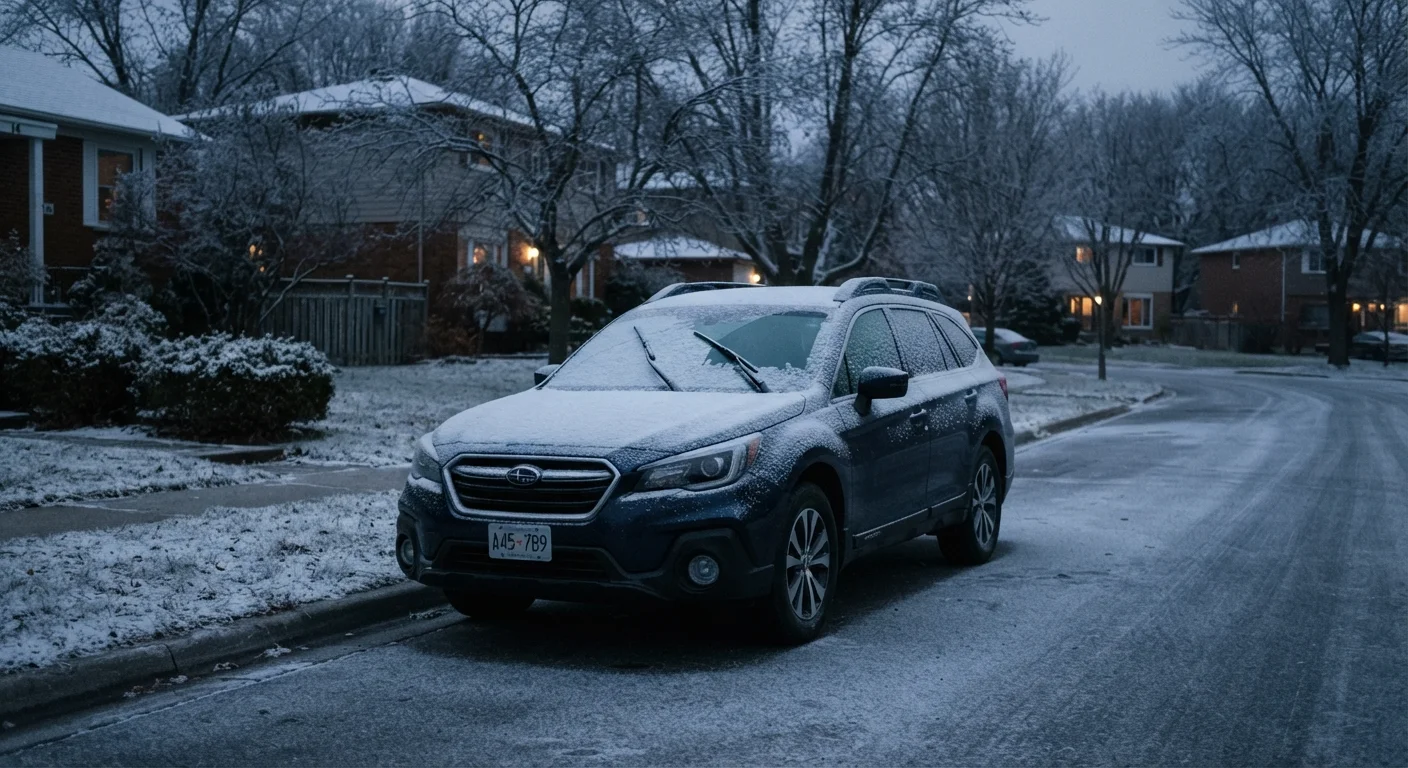
Photo credit: FaqsInsights.com | Stay Informed, Stay Ahead
In this article
A practical checklist covering battery, tires, fluids, wipers, and more — everything to verify before cold weather sets in.
Key Takeaways
- Cold temperatures reduce battery capacity, making a pre-winter battery check essential.
- Tire tread depth and inflation pressure both decline in cold weather and need separate attention.
- Fluids - antifreeze, washer fluid, and oil - all have winter-specific requirements.
- Winter wiper blades and working defrosters are critical for visibility in snow and ice.
- An emergency kit tailored to winter conditions can be the difference in a breakdown situation.
Why Winter Preparation Is Worth the Effort
Every fall, mechanics see the same pattern: drivers arrive with dead batteries, cracked wiper blades, and tires dangerously low on tread - all problems that a couple of hours of preparation could have prevented. Cold weather doesn't just make driving harder; it amplifies every existing weakness in your vehicle.
Battery capacity drops significantly in freezing temperatures. Tire pressure falls roughly one PSI for every 10°F drop in ambient temperature. Fluids that were adequate in July may be inadequate in January. The good news is that most of these issues are straightforward to check and, when caught early, inexpensive to address.
This checklist is designed to walk you through every major system before cold weather sets in. Whether you handle the inspections yourself or take the vehicle to a qualified mechanic, knowing what to look for puts you in control. Once you've covered your car, you may also want to review your driving habits for winter conditions, since even a well-prepared car requires adjusted technique on icy or snow-covered roads.
Battery and Electrical
Tires
Fluids
Visibility and Lighting
Brakes and Belts
Emergency Kit
Tools and Resources You'll Need
Most of this checklist can be completed with basic tools available at any auto parts store. For items beyond your comfort level - such as brake inspection or coolant system pressure tests - a qualified mechanic is the right call. Don't skip those items; have a professional verify them instead.
Tire pressure gauge
Accurately check inflation on all four tires and the spare before and throughout the winter season.
Coolant test strips or refractometer
Measure antifreeze concentration to confirm freeze protection is adequate for your climate.
Battery load tester
Assess whether the battery can deliver adequate current under real-world cold-start demand - available at most auto parts stores for free testing.
Tread depth gauge
Provide a precise measurement of remaining tire tread as a complement to the penny test.
Portable jump starter pack
Allow a self-contained jump start without needing another vehicle - particularly valuable if you drive alone frequently.
Don't Skip the Brake and Coolant Checks
Brake inspection and coolant system pressure testing are not tasks to defer or skip based on guesswork. Brake failure on an icy road carries serious safety consequences, and a coolant leak or insufficient freeze protection can cause engine damage that is expensive to repair. If you're uncertain about either system, schedule an inspection with a qualified mechanic before temperatures drop.
If this winter prep checklist prompts a broader look at your vehicle's overall condition, the pre-drive safety walkthrough covers many of the same systems in a format suited to individual trip preparation.
After the Checklist: Staying Winter-Ready
Completing this checklist once is a strong start, but winter preparedness is ongoing. Check tire pressure monthly - cold snaps mid-season can drop PSI quickly without warning. Keep your gas tank at least half full to reduce condensation in the fuel system and add weight over the drive wheels in rear-wheel-drive vehicles.
If your battery is more than three years old, watch for early warning signs throughout the season - slow engine cranking and dim headlights at startup are the most reliable indicators of a battery losing capacity.
Finally, revisit your emergency kit after any time you draw from it. A kit that's been depleted is no kit at all. Safe winter driving starts before you ever turn the key - preparation done in your driveway is far preferable to improvisation on a dark, icy road.
Never Warm Up Your Car in an Enclosed Space
Running a vehicle engine in a closed or partially closed garage - even briefly - creates a carbon monoxide hazard that can be fatal. Always move the vehicle into open air before warming it up, and never leave an idling car unattended in an enclosed area. This is a non-negotiable safety rule regardless of outside temperature.

Author
Cars & Driving Editorial Team
Cars & Driving Editorial Team is the collective byline for our editorial team and contributor network. Articles published under this byline or an editorial pen name are researched, written, and reviewed according to our editorial standards for clarity, consistency, and independence before publication.
View all articles →