
Before Any Long Road Trip: A Pre-Drive Safety Walkthrough
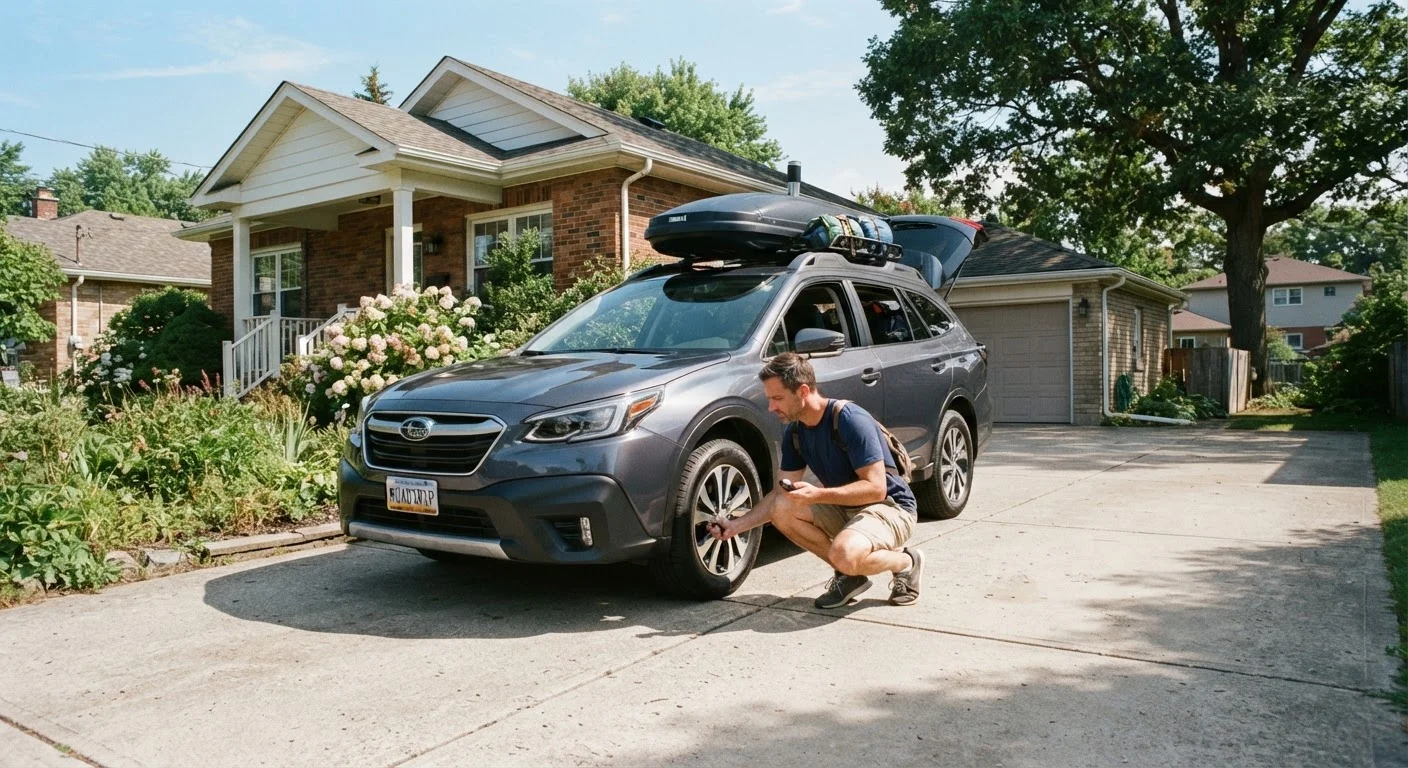
Photo credit: FaqsInsights.com | Stay Informed, Stay Ahead
In this article
Tires, lights, fluids, mirrors, emergency kit — a structured pre-departure checklist to help you catch what's easy to overlook before a long drive.
Key Takeaways
- Tire pressure and tread condition are the most common overlooked pre-trip failure points.
- Fluid levels - oil, coolant, brake fluid, and washer fluid - should be checked cold before departure.
- A functional emergency kit can make a serious difference if you break down in an unfamiliar area.
- Mirrors, seatbelts, and lighting checks take under five minutes but are frequently skipped.
- Addressing small mechanical concerns before a long drive is far safer and cheaper than dealing with them mid-route.
Why a Pre-Drive Walkthrough Matters
Most roadside breakdowns and preventable accidents share a common thread: they involve something a driver could have caught before leaving the driveway. Tires lose pressure gradually; coolant reservoirs run low quietly; brake lights burn out without any dashboard warning. None of these are catastrophic on their own - until they are.
This checklist is designed for any driver preparing for a drive of two hours or more, though it's equally useful before shorter trips on unfamiliar or remote routes. It follows the structure used in many professional driver-training programs: start outside the vehicle, move systematically, then confirm the interior and cargo before you start the engine.
If your vehicle is due for scheduled maintenance, a long road trip isn't the time to defer it. Check your owner's manual or consult a qualified mechanic before departure - especially for seasonal preparation or high-mileage vehicles. For the driving behaviors that keep you safe once you're moving, see our guide on defensive driving fundamentals.
Tires
Fluids
Lights and Visibility
Interior and Controls
Emergency Kit and Cargo
What You'll Need Before You Start
You don't need a full shop to run through this checklist - most items require only basic tools and a few minutes of focused attention. Having the right supplies on hand makes the process faster and more thorough.
Tire pressure gauge
Accurately measures PSI in each tire to compare against the manufacturer's recommended pressure.
Flashlight or work light
Illuminates the engine bay, tire sidewalls, and undercarriage when checking in low-light conditions.
Clean rags or paper towels
Used for checking dipstick fluid levels cleanly and wiping up any spills.
Quarter (US coin)
A quick field test for tire tread depth - insert into the tread groove to gauge remaining tread.
Vehicle owner's manual
Reference for manufacturer-specified fluid levels, tire pressures, and maintenance intervals specific to your vehicle.
Portable tire inflator
Allows you to bring tires to proper pressure at home rather than driving to a gas station on underinflated tires.
Don't Check Fluids on a Hot Engine
Opening the coolant reservoir or touching belts and hoses on a recently run engine can cause burns. Always allow the engine to cool for at least 30 minutes before checking fluid levels. If you drove to a rest stop and need to check under the hood, use a cloth as a barrier and approach cautiously.
Before You Pull Out of the Driveway
Once you've completed the walkthrough, take a moment to confirm your route, share your travel plan with someone who isn't traveling with you, and verify that your phone is charged. Long-haul driving in difficult weather brings its own set of demands - our guide on driving in rain, ice, snow, and fog covers condition-specific adjustments worth reviewing before weather-affected travel.
If you notice anything during your walkthrough that you're not confident addressing yourself - unusual sounds, warning lights, or fluid leaks - have the vehicle inspected by a qualified mechanic before departure. No destination is worth a compromised vehicle.
Warning Lights Are Not Optional
If your check engine light, oil pressure light, battery warning, or brake warning light is illuminated when you start the vehicle, do not dismiss it and drive on. These warnings indicate conditions that can escalate quickly - sometimes within miles - into costly or dangerous failures. Have the vehicle diagnosed by a qualified mechanic before undertaking a long trip. A weakening battery, for instance, may start the car fine at home but fail completely after hours of highway driving.
This checklist is intended as a general educational guide and does not replace the guidance of a qualified automotive professional. Always consult your vehicle's owner's manual and a licensed mechanic for vehicle-specific maintenance and safety concerns.

Author
Cars & Driving Editorial Team
Cars & Driving Editorial Team is the collective byline for our editorial team and contributor network. Articles published under this byline or an editorial pen name are researched, written, and reviewed according to our editorial standards for clarity, consistency, and independence before publication.
View all articles →