
Your Car's Fluid Ecosystem: What Each One Does and When to Check It
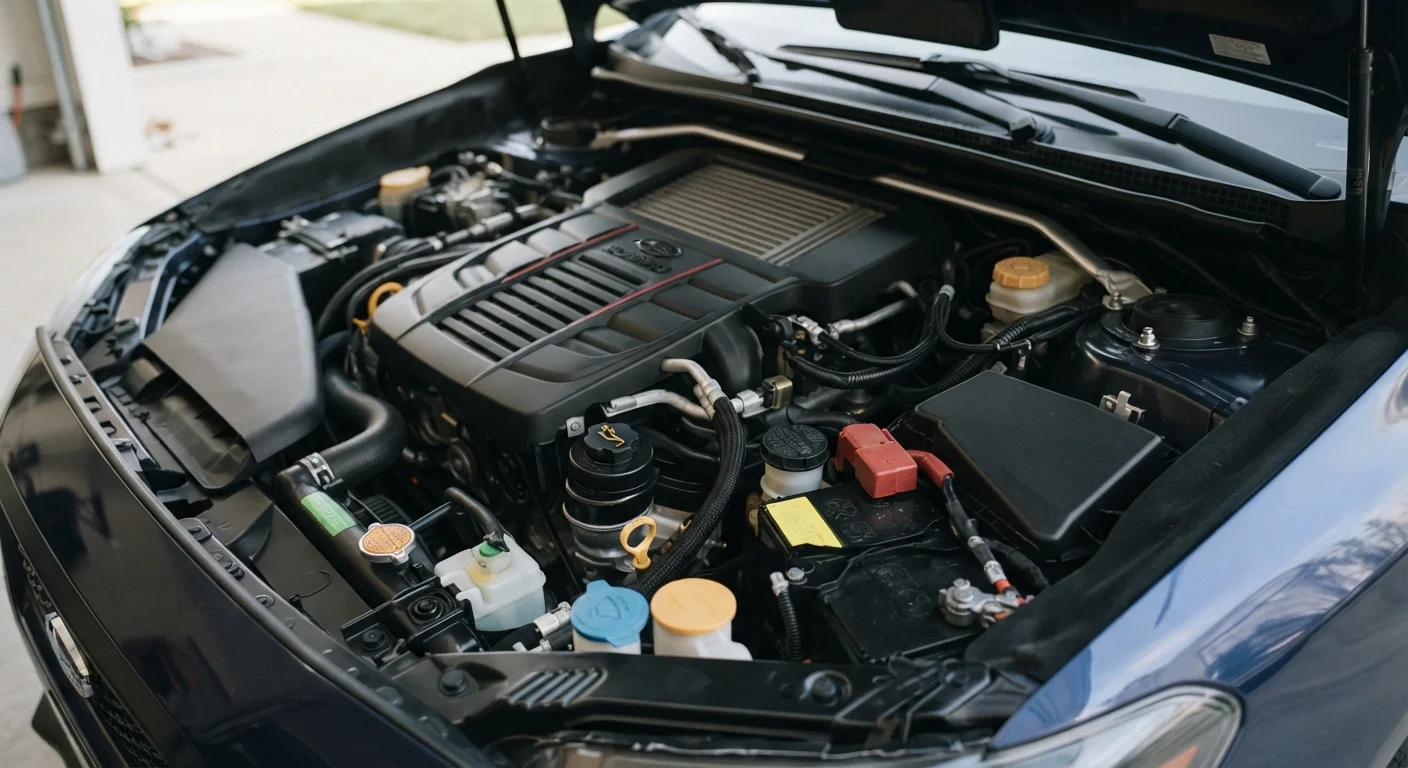
Photo credit: FaqsInsights.com | Stay Informed, Stay Ahead
In this article
Engine oil, coolant, brake fluid, transmission fluid — learn what every reservoir under the hood does and how to monitor each one.
Key Takeaways
- Each fluid in your car serves a distinct function - they are not interchangeable.
- Low or contaminated fluid is often a warning sign of a larger issue, not just a refill situation.
- Most fluids can be checked visually in under five minutes with a cold engine and a flat surface.
- Your owner's manual specifies the correct fluid type and change interval for your exact vehicle.
- Neglecting fluids consistently is one of the leading causes of preventable, expensive repairs.
Engine Oil: The Foundation of Every Drive
Engine oil lubricates hundreds of metal surfaces moving against each other at high speed, reducing friction, carrying heat away from the engine, and suspending contaminants until the next oil change. Without adequate oil, metal-on-metal contact causes rapid, irreversible wear.
Check engine oil with the dipstick when the engine is cold and the car is parked on level ground. The oil should sit between the MIN and MAX marks and appear amber to light brown. Black, gritty oil is overdue for a change. A milky appearance suggests coolant contamination - a condition requiring immediate professional evaluation.
Change intervals vary widely by vehicle and oil type. Conventional oil typically requires changes more frequently than full synthetic. Consult your owner's manual rather than relying on a generic mileage rule - as explained in our guide to reading your owner's manual like a maintenance roadmap.
Check Oil Before Every Long Trip
Engine oil is the one fluid worth inspecting more frequently than your service schedule requires. Before any road trip over 200 miles, pull the dipstick and confirm the level and appearance. It takes under two minutes and can prevent a breakdown far from home.
Coolant, Brake Fluid, and Transmission Fluid
Coolant (antifreeze) circulates through the engine and radiator, absorbing combustion heat and releasing it through the radiator. It also prevents freezing in winter and corrosion year-round. Check the overflow reservoir - not the radiator cap directly on a hot engine - against the MIN/MAX markers. Coolant should be bright (green, orange, or pink depending on type) and free of floating debris. For a deeper look at how this system works, see how engine coolant actually works.
Brake fluid is a hydraulic fluid that transmits the force of your foot on the pedal to the brake calipers at each wheel. It lives in a small reservoir near the firewall. The level drops gradually as brake pads wear - a significant drop can indicate a leak. Brake fluid also absorbs moisture over time, which lowers its boiling point and reduces braking performance. Most manufacturers recommend replacement every two years regardless of mileage.
Transmission fluid lubricates the gearbox and, in automatic transmissions, acts as a hydraulic medium. Many modern vehicles have a sealed transmission with no dipstick; fluid condition must be assessed by a shop. Where a dipstick is present, fluid should appear reddish and smell slightly sweet - dark brown or burnt-smelling fluid signals degradation.
~40%
Engine failures linked to lubrication issues
Industry maintenance data consistently identifies oil starvation and contamination as among the most common causes of catastrophic engine failure in passenger vehicles.
2 years
Typical brake fluid replacement interval
Most vehicle manufacturers recommend replacing brake fluid every two years due to moisture absorption, regardless of mileage or brake pad condition.
Power Steering, Differential, and Washer Fluid
Power steering fluid (in hydraulic systems) enables easy steering by transmitting pressure to the steering rack. Many newer vehicles use electric power steering and have no fluid reservoir. If yours does, a low level or whining noise when turning warrants inspection - leaks are the most common cause.
Differential fluid lubricates the gears that distribute power to the drive wheels. It's rarely discussed but critical in trucks, SUVs, and all-wheel-drive vehicles. It doesn't need frequent checking but should be inspected per the maintenance schedule.
Windshield washer fluid is the one fluid that poses no mechanical risk when ignored - but running dry at the wrong moment is a safety nuisance. Use a vehicle-rated washer fluid, not plain water, which can freeze and harbor bacteria in warm climates.
When Low Fluid Is a Symptom, Not the Problem
Most vehicle fluids in closed systems (brake, coolant, power steering) should not drop significantly under normal operation. A noticeably low level often indicates a leak rather than simple consumption. Topping off without finding the source may mask a worsening problem. Have any unexplained fluid loss evaluated by a qualified mechanic.
Ignoring fluid warnings or low levels over time is one of the habits that quietly shorten your car's lifespan. Paired with dashboard awareness - covered in our guide to what your dashboard warning lights are actually telling you - routine fluid checks form the backbone of proactive vehicle ownership. Drivers new to these responsibilities will find broader context in car maintenance for new drivers.
Frequently Asked Questions

Author
Cars & Driving Editorial Team
Cars & Driving Editorial Team is the collective byline for our editorial team and contributor network. Articles published under this byline or an editorial pen name are researched, written, and reviewed according to our editorial standards for clarity, consistency, and independence before publication.
View all articles →