
Eight Underrated Skills That Make Everyday Life Easier for Dogs
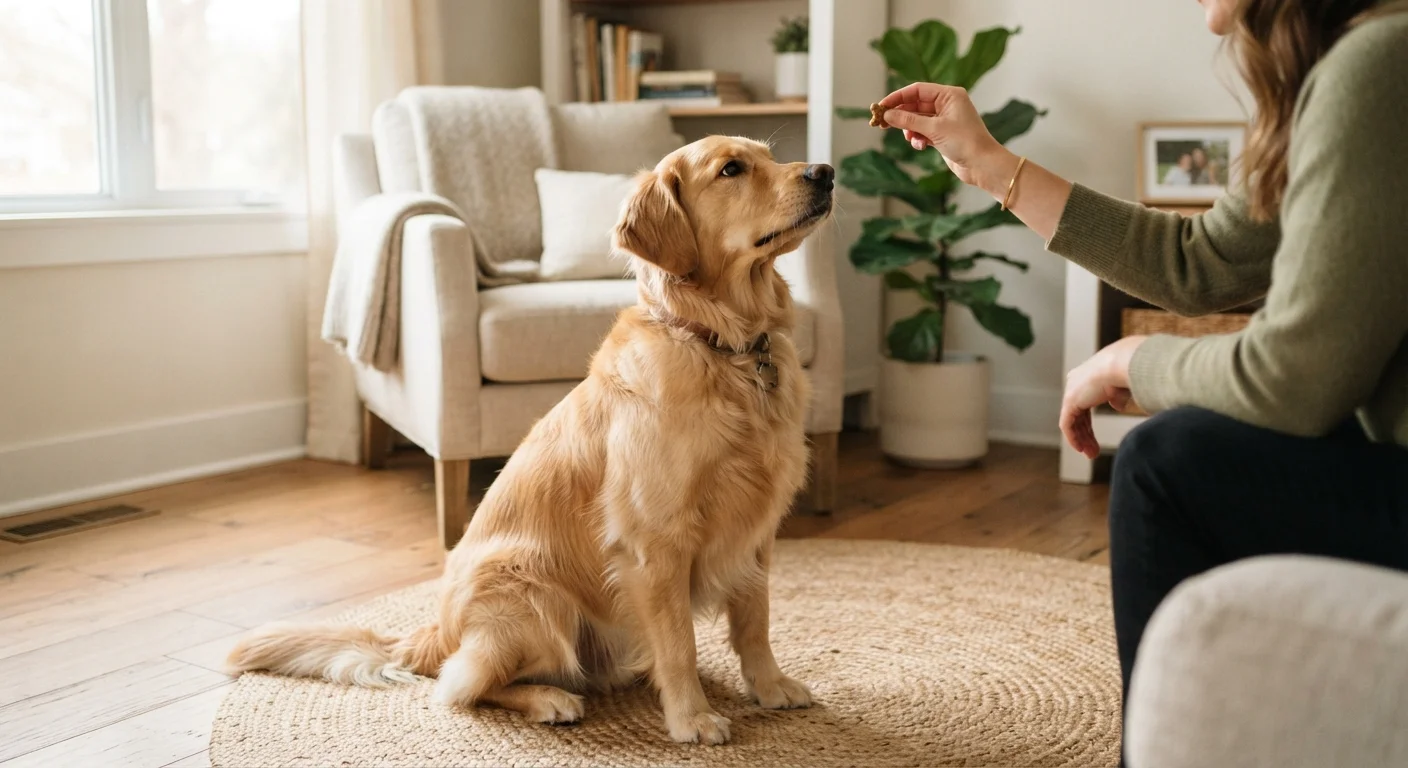
Photo credit: FaqsInsights.com | Stay Informed, Stay Ahead
In this article
Sit and stay get all the attention, but skills like "go to your mat" and loose-leash walking often matter more. Here's what's worth prioritizing.
Key Takeaways
- Skills like 'go to your mat' and loose-leash walking reduce daily friction more than advanced tricks do.
- Reward-based training builds a dog's confidence alongside its compliance.
- Many underrated skills directly reduce anxiety, reactivity, and dangerous situations.
- Short, consistent practice sessions produce lasting results better than infrequent long ones.
- Foundational skills create a shared language that makes all future training easier.
Why the basics you skipped might matter most
Sit, down, and stay earn most of the attention in dog training conversations - and they're genuinely useful. But the skills that reduce daily friction, prevent accidents, and make a dog genuinely pleasant to live with are often the ones that get skipped in favor of flashier behaviors. This list focuses on eight of those underrated skills: each one is practical, teachable at any age, and meaningful to quality of life for both dog and owner.
If you're working past some common training myths, or starting fresh with a new dog, these are the competencies worth building early and maintaining consistently.
Reward-based training: a quick note
All eight skills described here are most effectively taught using positive reinforcement - rewarding behaviors the owner wants to see more of. This approach is broadly supported by animal behavior science and tends to produce more durable, confident behavior than methods relying on correction or punishment. If you're new to reward-based training, our first-time owner's training foundation guide is a good starting point.
The eight skills worth prioritizing
Go to your mat
Teaching a dog to go to a designated mat or bed on cue gives owners a powerful management tool for nearly every situation - guests arriving, mealtimes, or any moment that needs calm. The dog learns that the mat is a safe, rewarding place to settle, which reduces doorbell chaos and counter-surfing without any confrontation. Build duration gradually, rewarding the dog for staying settled while the environment gets busier around them.
A reliable 'mat' cue is one of the most practical skills a dog can ever learn.
Loose-leash walking
Pulling on the leash is one of the top reasons dogs get walked less than they should. Loose-leash walking - moving calmly beside a person without tension on the leash - takes patience to build, but the payoff is enormous. It makes daily walks enjoyable rather than exhausting and reduces the risk of injury for both dog and handler. The skill is built by rewarding the dog consistently for being in position, stopping forward movement whenever the leash tightens.
Dogs that pull get walked less - loose-leash skills protect their health and your relationship.
Name recognition
A dog that reliably orients to its name when called has a foundational safety skill that underlies every other cue. Name recognition means the dog turns toward you promptly, ready to receive the next piece of information. It should be conditioned with high-value rewards and never used in a way that predicts something unpleasant - calling a dog by name then scolding it erodes this response quickly. Practice in varied, distracting environments to proof the behavior.
Reliable name recognition is the gateway cue that makes every other skill more reachable.
Handling and body cooperation
Dogs that tolerate - or actively accept - having their ears, paws, mouth, and body touched are far easier to care for and safer at the veterinarian. This isn't just about grooming; it's about a dog having a positive emotional association with being handled. Introduce touch gradually in short sessions, pairing each new area with rewards. Dogs that struggle with handling are more likely to bite in medical situations, so this skill has genuine safety implications. See our pet health and wellness resources for guidance on routine care that depends on body cooperation.
A dog comfortable with handling is safer, easier to groom, and less stressed at the vet.
Leave it
'Leave it' teaches a dog to disengage from something tempting - food on the sidewalk, a dead animal, a child's toy - and redirect attention back to the owner. Unlike 'drop it,' which addresses something already in the mouth, 'leave it' prevents the pickup in the first place. This can be a genuine safety skill, since dogs frequently encounter toxic items on walks. Train it by rewarding the dog for voluntarily looking away from a presented item, then add more challenging real-world scenarios over time.
'Leave it' can prevent a dog from consuming something genuinely dangerous on any given walk.
Waiting at thresholds
Teaching a dog to pause and wait before bolting through doors, gates, or out of a car prevents accidents and escapes. This skill asks the dog to hold position until released, even when the door opens fully. It builds impulse control that carries over into many other situations. Start with interior doors before practicing at higher-stakes exit points like front doors or car doors. A consistent daily routine that includes threshold practice helps the skill stick faster.
A dog that waits at open doors is significantly less likely to bolt into traffic.
Relaxed alone time
Being comfortable alone - on a mat, in a crate, or in another room - is a skill dogs need to develop gradually, not something they simply have or don't. Teaching a dog to settle independently reduces the risk of separation-related distress and gives owners freedom to move around their home. Build the duration slowly, keeping early sessions brief and ending before the dog becomes anxious. For dogs showing signs of genuine distress, this skill has limits; see our article on separation anxiety in dogs for a more complete picture.
Settling calmly alone is a learned skill - one that benefits both the dog and the household.
Default eye contact
A dog that naturally checks in with its owner - offering eye contact without being asked - is tuned into the social partnership that makes training work. This behavior is built by rewarding any voluntary glance toward the owner's face, especially in distracting environments. Over time it becomes a default: when uncertain or distracted, the dog looks to the person rather than reacting to the environment. This skill underpins recall, reactivity management, and general responsiveness in public.
Dogs that check in voluntarily with their owners are more responsive in every other context.
Keep sessions short and frequent
Five minutes of focused practice twice a day will outperform a single thirty-minute session almost every time. Dogs learn better when they're not mentally fatigued, and short sessions end before frustration sets in - for both the dog and the owner. Ending on a successful repetition reinforces the dog's positive association with training.
Building these skills into everyday life
None of these skills require formal classes or special equipment - though both can help. What they do require is consistency: short daily practice, predictable cues, and rewards that actually motivate your individual dog. Many of these behaviors can be woven into routines that already exist, such as asking for mat behavior before meals or practicing threshold waits every time you leave the house.
For dogs that spend most of their time indoors, pairing these skills with enrichment activities builds mental engagement alongside behavioral reliability. The goal isn't a perfectly obedient dog - it's a dog that has the skills to navigate daily life confidently and calmly, and an owner who knows how to communicate clearly with them.
This article provides general educational information about dog training and is not a substitute for guidance from a qualified veterinary behaviorist or certified professional dog trainer, particularly for dogs showing fear, aggression, or anxiety.

Author
Pets & Animals Editorial Team
Pets & Animals Editorial Team is the collective byline for our editorial team and contributor network. Articles published under this byline or an editorial pen name are researched, written, and reviewed according to our editorial standards for clarity, consistency, and independence before publication.
View all articles →