
Enrichment for Pets Kept Mostly Indoors
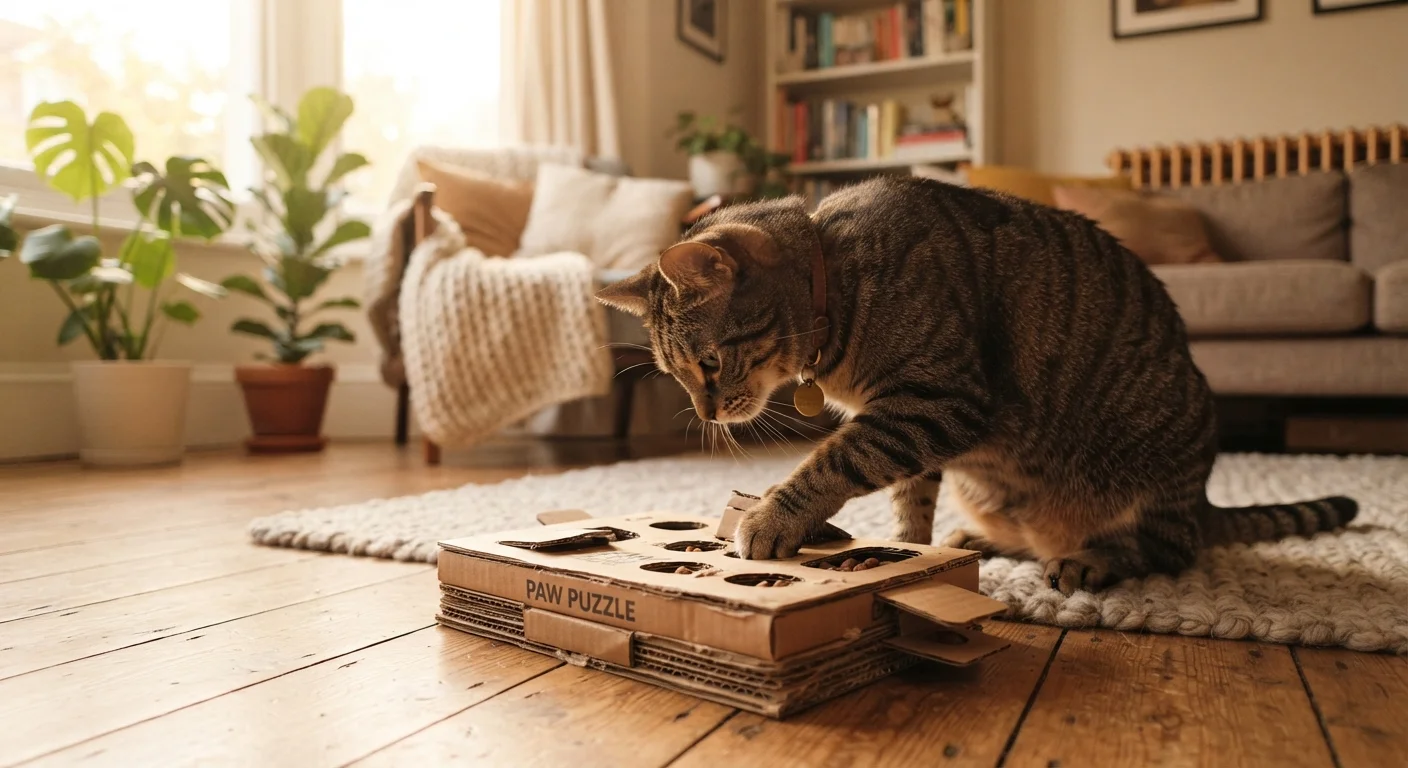
Photo credit: FaqsInsights.com | Stay Informed, Stay Ahead
Practical, low-cost ways to keep indoor dogs, cats, and small animals mentally engaged and physically active throughout the day.
Key Takeaways
- Mental stimulation is just as important as physical exercise for indoor pets' overall wellbeing.
- Puzzle feeders, scent work, and rotating toys can reduce boredom-driven behavior problems.
- Small animals like rabbits and guinea pigs need enrichment tailored to their species-specific needs.
- Short, frequent enrichment sessions throughout the day are often more effective than one long activity.
- Most enrichment strategies cost little or nothing and use items already found in most homes.
Why Indoor Pets Need Active Enrichment
Pets kept primarily indoors often have their basic survival needs - food, water, shelter - reliably met. What indoor environments frequently fail to provide, however, is the cognitive challenge and sensory variety that animals would naturally encounter in the outside world. That gap between comfort and stimulation is where behavioral problems tend to emerge: excessive vocalization, destructive chewing, over-grooming, or persistent attention-seeking can all signal unmet psychological needs.
Enrichment refers to any activity, object, or environmental change that encourages a pet to think, explore, and engage their natural instincts. It's not a luxury - for most companion animals, it's a core component of health. The full picture of pet mental health is worth understanding before diving into specific strategies, but the practical starting point is simpler than it sounds.
The list below covers seven accessible enrichment approaches that work across common indoor pets - dogs, cats, and small animals like rabbits or guinea pigs. Most require no special purchases and can be built into an existing daily routine.
Puzzle feeders and food-dispensing activities
Instead of presenting meals in a bowl, make your pet work for their food. Puzzle feeders - whether purpose-made or improvised from a muffin tin covered with tennis balls, or kibble scattered across a snuffle mat - engage a dog's or cat's foraging instincts and slow down eating at the same time. For small animals like rabbits, hiding hay or leafy greens in cardboard tubes achieves a similar effect. Varying the puzzle difficulty over time prevents the activity from becoming routine.
Making pets work for their meals engages foraging instincts and adds genuine mental challenge to mealtime.
Scent-based games and nose work
A dog's nose is their primary sense organ, and giving it a job to do is one of the most tiring - in the best way - activities you can offer. Hide small amounts of food or a favorite toy in different rooms, then cue your dog to find it. Cats respond well to scent enrichment too: a new paper bag, a cardboard box from a delivery, or even a piece of clothing worn by a visitor introduces novel smells that prompt investigation. For rabbits and guinea pigs, fresh herbs like basil or cilantro placed in unexpected spots encourage exploratory sniffing. Our guide to underrated dog skills includes foundational cues that pair naturally with scent games.
Nose work can tire a dog mentally in ways that physical exercise alone simply cannot replicate.
Vertical space and environmental complexity for cats
Cats are natural climbers and surveyors - they feel safest when they can observe a space from above. Adding vertical layers to an indoor environment, whether through cat shelves, a sturdy bookshelf cats can access, or a window perch, dramatically expands a cat's perceived territory without adding floor space. Positioning a perch near a bird feeder or active window increases passive stimulation throughout the day. Tunnel systems, paper bags with handles removed, and open boxes placed in rotating arrangements also give cats novel surfaces to investigate. The indoor vs. outdoor cat trade-offs article covers how a well-enriched indoor setup compares to outdoor access.
Vertical space lets cats survey their environment and feel secure - a low-cost upgrade with high behavioral payoff.
Toy rotation to sustain novelty
A toy that has been available for weeks loses its appeal quickly. Rotating which toys are accessible - putting some away for a week or two before reintroducing them - restores novelty without requiring constant new purchases. Keep three or four toys available at a time, swap them out on a loose schedule, and observe which types your pet gravitates toward. For cats, wand toys used during short interactive sessions provide predatory play that self-directed toys can't fully replicate. For dogs, chew-based toys satisfy a different need than tug or fetch items, so variety in type matters as much as variety in quantity.
Rotating toys every few days restores novelty and keeps engagement high without spending more money.
Training sessions as mental exercise
Short, positive training sessions - five to ten minutes at a time - are among the most effective enrichment tools available for dogs and can be adapted for cats and rabbits as well. Learning a new behavior requires sustained attention and decision-making, which genuinely tires animals mentally. Even pets who already know basic cues benefit from refinement, sequencing behaviors, or learning entirely new skills. The pet training tips hub offers humane, evidence-backed approaches for a range of species and goals. Keep sessions short, end on a success, and use small, high-value rewards to sustain motivation.
A ten-minute training session can satisfy a dog's mental needs more effectively than many longer physical activities.
Sensory enrichment through sound and sight
Audio and visual stimulation are often overlooked as enrichment channels. Nature documentaries, bird call recordings, or ambient outdoor audio can hold a cat's or dog's interest during quiet daytime hours - though it's worth monitoring whether a specific animal finds these sounds calming or agitating. For birds and some small animals, positioning the enclosure or resting area where they can observe household activity provides ongoing passive stimulation. Avoid leaving stimulating audio running for long uninterrupted periods, as the goal is gentle engagement rather than constant arousal. Adjust based on how your individual pet responds.
Ambient sound and visual access to household activity can meaningfully reduce a pet's sense of isolation.
Species-appropriate foraging setups for small animals
Rabbits, guinea pigs, chinchillas, and hamsters all have strong instincts to forage, chew, and explore. Providing a dedicated foraging area - a shallow tray filled with safe substrates like hay, dried leaves, or shredded paper with food hidden inside - gives these animals an appropriate outlet for those drives. Safe wooden chews and cardboard structures double as both enrichment and dental maintenance for rabbits and guinea pigs. Rotating the layout of an enclosure periodically also resets the novelty factor. Always verify that any material introduced into a small animal's environment is non-toxic and free of adhesives, dyes, or coatings - and check with your veterinarian if you're uncertain about a specific material.
A simple foraging tray of hay with hidden treats can occupy a rabbit or guinea pig for a significant portion of their day.
Building Enrichment Into Everyday Life
Consistency matters more than complexity. A five-minute scent game before breakfast or a rearranged foraging setup at lunch can do more for a pet's daily wellbeing than an elaborate weekly activity. The goal is to make the environment feel alive - unpredictable in small, safe ways that invite curiosity rather than anxiety.
Start small and observe your pet's response
Introduce one new enrichment activity at a time and watch how your pet engages with it. Some animals take to puzzle feeders immediately; others need a simpler version first. Matching the difficulty to your pet's current confidence level keeps enrichment rewarding rather than frustrating. Adjust based on what you see, not just what works for other pets.
If you share your home with multiple animals, remember that enrichment needs can differ significantly between species and even between individuals of the same species. Our guide on adding a second pet covers how to manage resources and space fairly. And don't overlook the basics: good hydration habits support the alertness and energy your pet needs to engage with enrichment activities in the first place.
When in doubt about whether a new enrichment activity suits your specific pet's health status or temperament, a conversation with your veterinarian is always the right first step. They can identify any physical limitations and help you tailor approaches to your animal's individual needs.

Author
Pets & Animals Editorial Team
Pets & Animals Editorial Team is the collective byline for our editorial team and contributor network. Articles published under this byline or an editorial pen name are researched, written, and reviewed according to our editorial standards for clarity, consistency, and independence before publication.
View all articles →