
Hydration and Pets: Why Water Intake Matters More Than Most Owners Realize
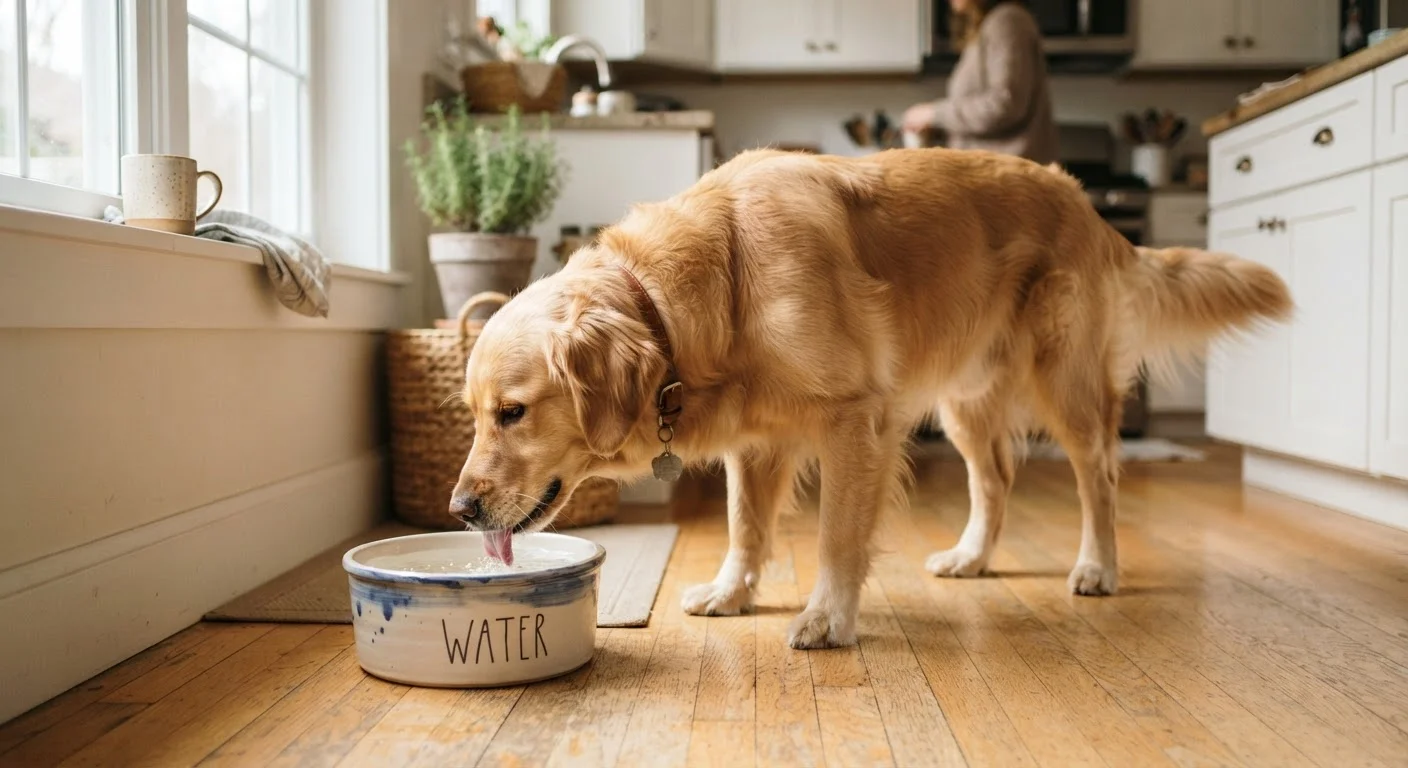
Photo credit: FaqsInsights.com | Stay Informed, Stay Ahead
In this article
Explore how much water different pets actually need, what affects intake, and gentle ways to encourage better hydration habits.
Key Takeaways
- Dogs generally need about one ounce of water per pound of body weight each day under normal conditions.
- Cats are naturally low-thirst drinkers and often rely on food moisture to meet hydration needs.
- Diet type, activity level, ambient temperature, and health status all influence how much water a pet requires.
- Early signs of dehydration - lethargy, dry gums, skin tenting - can be subtle and easy to miss.
- Simple changes like bowl placement, water freshness, and food type can meaningfully improve intake.
- Sudden changes in drinking behavior warrant a veterinary check, as they can signal underlying illness.
Why Water Is a Foundation of Animal Health
Water is involved in nearly every biological process a pet's body performs - from breaking down food and absorbing nutrients to flushing metabolic waste through the kidneys and keeping joints cushioned. Despite this, hydration rarely gets the same attention as diet or exercise in everyday pet care conversations.
For dogs and cats especially, chronic mild dehydration is more common than most owners realize. Unlike dramatic collapse or obvious thirst, low-level fluid deficit often shows up as subtle changes: slightly dull coat, reduced energy, or minor digestive irregularity. These signs are easy to attribute to other causes or simply overlook.
Understanding your pet's hydration needs is a genuinely practical part of daily care - and for many animals, small adjustments make a meaningful difference. This connects directly to broader wellness habits; if you're establishing routines for a new pet, our guide on wellness groundwork for new pets covers hydration alongside nutrition and veterinary baselines.
~70%
Of a healthy adult dog's body is water
Water makes up a substantial portion of body composition in mammals, underscoring why even moderate deficits affect function across multiple organ systems.
75-80%
Moisture content in typical wet pet food
Compared to roughly 10% moisture in dry kibble, wet food significantly contributes to total fluid intake for cats and dogs who eat it regularly.
~1 oz/lb
Daily water guideline for dogs
Veterinary general guidance suggests approximately one ounce of water per pound of body weight per day as a baseline for healthy adult dogs.
How Much Water Different Pets Actually Need
Water needs vary significantly across species, body size, diet, and individual health status. General guidelines provide a useful starting point, but they should always be understood as approximations rather than precise prescriptions.
Dogs
The commonly cited benchmark for dogs is roughly one ounce of water per pound of body weight per day. A 25-pound dog would aim for around 25 ounces under typical conditions - more during heat or physical activity. Dogs fed wet or raw diets absorb considerable moisture through food and will naturally drink less from the bowl.
Cats
Cats present a particular challenge. Their ancestral diet was moisture-rich prey, and their kidneys evolved to concentrate urine efficiently. This means cats often don't feel thirst strongly until they're meaningfully fluid-depleted. A cat on dry-only food may be chronically under-hydrated without any obvious signs, which can contribute over time to urinary tract problems and kidney stress. Many veterinarians recommend incorporating wet food into a cat's diet at least partially for this reason.
Small Animals
Rabbits, guinea pigs, hamsters, and similar small species need consistent access to clean water. Rabbits are particularly sensitive - inadequate hydration can contribute to gastrointestinal stasis, a serious and potentially life-threatening condition. Fresh leafy greens also contribute meaningful water content for many herbivores.
A Simple Daily Check for Hydration
Get in the habit of briefly checking your pet's gums each day - healthy, well-hydrated animals have moist, pink gums. Dry, sticky, or pale gums can be an early indicator of dehydration or other health concerns. Pair this with a quick observation of water bowl levels to gauge roughly how much your pet is drinking.
Factors That Change How Much Water a Pet Needs
Several variables push daily water requirements up or down, and being aware of them helps owners respond appropriately rather than relying on a fixed number.
- Ambient temperature and humidity: Pets lose more fluid through panting and respiration in hot or dry conditions. Summer months and heated indoor environments both increase need.
- Exercise intensity: Active dogs - especially working breeds, dogs that hike, or those in regular training - need proportionally more water before, during, and after exertion.
- Diet composition: Dry kibble contains roughly 10% moisture; wet food typically contains 75-80%. A pet eating exclusively dry food must compensate by drinking significantly more.
- Age and health status: Senior animals and those managing chronic conditions such as kidney disease or diabetes often have altered fluid regulation. Our article on caring for senior pets addresses how aging shifts nutritional and hydration needs.
- Medications: Certain drugs, including corticosteroids and diuretics, increase urinary output and consequently increase thirst.
Weight status can also play a role - for context on how body condition affects overall metabolism and health, see our piece on weight and your pet's health.
“Cats are not small dogs - their relationship with water is fundamentally different, rooted in their evolutionary history as desert-adapted hunters. Getting enough moisture into a cat's diet often requires thinking beyond the water bowl entirely.”
— Veterinary Nutrition Consensus, General principle reflected in feline nutrition literature and veterinary dietary guidance
Practical Ways to Encourage Better Hydration
Most pets won't self-regulate perfectly, so the environment owners create matters. These straightforward strategies can improve daily intake without requiring major changes to routine.
Bowl Placement and Number
Multiple water stations around the home reduce the effort required for a pet to drink. Cats in particular benefit from having water away from their food bowl - many have an instinctive preference for water sources separate from where they eat, possibly related to a natural aversion to drinking near prey.
Water Freshness and Vessel Type
Many pets reject water that has sat out for an extended period, especially in plastic bowls that can harbor odors. Rinsing and refilling bowls at least once daily - more in warm weather - and using ceramic or stainless steel can improve acceptance. Circulating water fountains appeal strongly to cats and some dogs, likely because moving water signals freshness.
Diet Adjustments
Transitioning a cat to wet food, or mixing warm water into dry kibble, can substantially boost total fluid intake without requiring the animal to drink more. Even a partial switch - wet food for one meal daily - makes a difference. For guidance on how feeding schedules interact with overall intake, see our overview of feeding schedules for pets.
When to Involve a Veterinarian
Any persistent decrease or dramatic increase in drinking is a reason for a veterinary visit. Both polydipsia (excessive thirst) and oligodipsia (very low intake) can indicate underlying disease. Dehydration suspected after vomiting, diarrhea, or heatstroke warrants prompt professional attention - it is not a condition to manage at home without guidance.
This article is for general informational and educational purposes only and does not constitute veterinary or medical advice. Always consult a qualified veterinarian regarding your specific pet's health, diet, and hydration needs.
Frequently Asked Questions

Author
Pets & Animals Editorial Team
Pets & Animals Editorial Team is the collective byline for our editorial team and contributor network. Articles published under this byline or an editorial pen name are researched, written, and reviewed according to our editorial standards for clarity, consistency, and independence before publication.
View all articles →