
Feeding Schedules for Pets: Free-Feeding vs. Portioned Meals
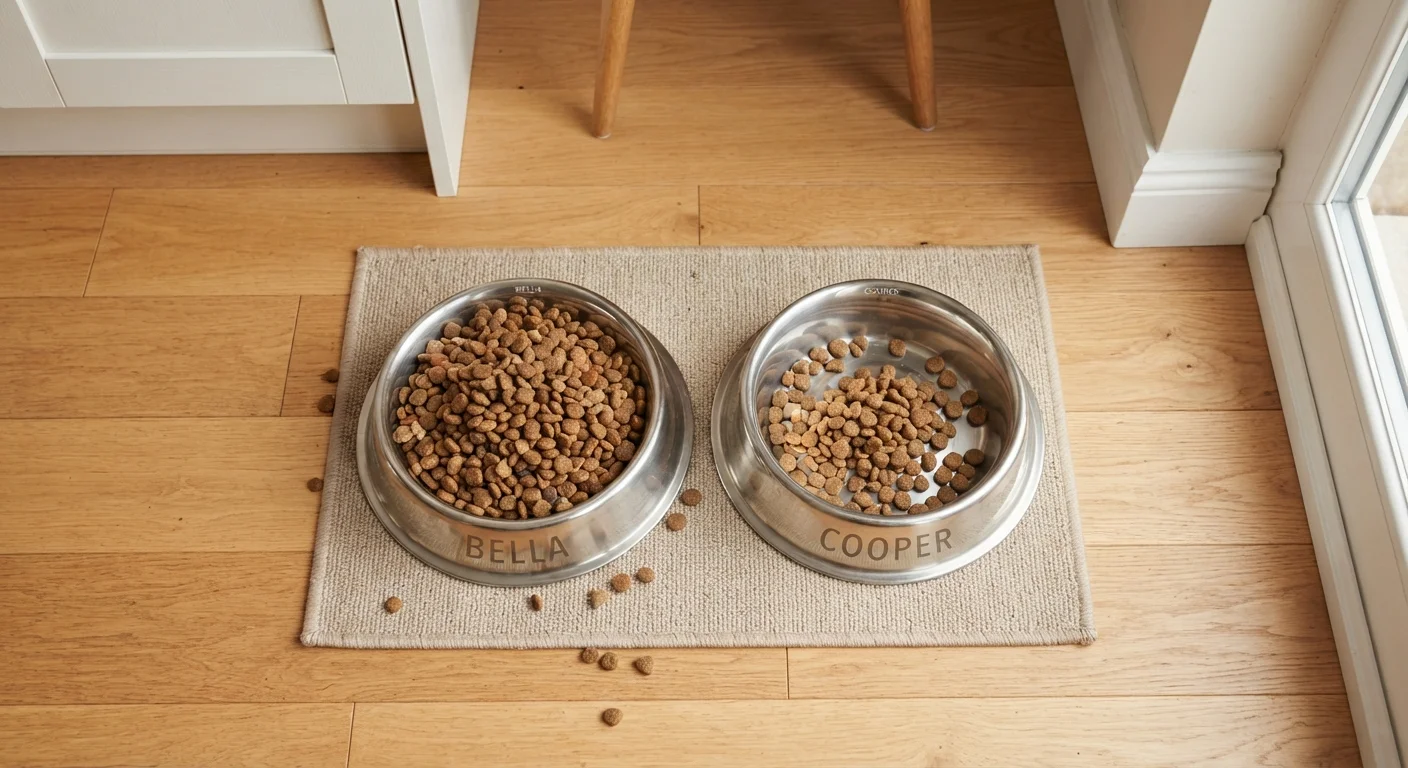
Photo credit: FaqsInsights.com | Stay Informed, Stay Ahead
In this article
Weigh the pros and cons of leaving food out all day versus scheduled meal times for dogs, cats, and small animals.
Key Takeaways
- Free-feeding leaves food available at all times; portioned meals are served on a set schedule in measured amounts.
- Most dogs benefit from portioned meals because they tend to overeat when food is unlimited.
- Cats that self-regulate well may tolerate free-feeding, but many do not, increasing obesity risk.
- Portioned meals make it easier to track appetite changes - an early indicator of illness.
- Your pet's species, age, health status, and individual temperament should guide your choice.
- Always consult a veterinarian before making significant changes to your pet's feeding routine.
What Each Approach Actually Means
Free-feeding means filling the bowl and leaving it accessible throughout the day, allowing your pet to eat whenever it chooses. Portioned meals (also called scheduled or measured feeding) means offering a specific quantity of food at set times - typically two to three times daily - and removing what isn't eaten.
Neither method is universally right or wrong. The better choice depends on your pet's species, weight history, household dynamics, and individual eating habits. Understanding the practical tradeoffs is the first step to feeding your pet well. For broader context on how feeding fits into your pet's whole day, see our daily routine guide for dog owners.
| Criterion | Free-Feeding | Portioned Meals |
|---|---|---|
| Owner convenience | High - no set schedule needed | Requires daily commitment to timing |
| Weight management | Difficult; overconsumption common | Easier; intake is measurable |
| Appetite monitoring | Hard to detect changes | Changes noticed quickly |
| Multi-pet suitability | Problematic; dominant pets overeat | Each pet fed individually |
| Best species fit | Self-regulating cats; small herbivores | Dogs; most cats; senior pets |
| Medication delivery | Unreliable timing | Consistent and predictable |
The Case for Free-Feeding - and Its Real Limitations
Free-feeding is convenient. There's no alarm set for mealtimes, and for owners with unpredictable schedules, it removes some daily pressure. For certain pets - particularly cats with strong satiety signals and small herbivores like rabbits who require near-constant forage - it can be physiologically appropriate.
The significant drawback is that most pets, especially dogs, do not self-regulate reliably. A bowl that's always full becomes an invitation to overconsume, and gradual weight gain can creep up unnoticed. Free-feeding also removes one of the most useful health monitoring tools available: appetite tracking. A pet that picks at a constantly full bowl through the day will mask changes in intake that might otherwise signal illness. Obesity is one of the most common preventable health problems in companion animals, and feeding method is a meaningful contributing factor - our article on why pets gain weight explores this in more depth.
~60%
US dogs and cats estimated to be overweight or obese
The Association for Pet Obesity Prevention has consistently reported overweight and obesity rates around 60% in US companion dogs and cats in its annual clinical surveys.
2-3×
Daily meal frequency recommended for most adult dogs
Veterinary nutrition guidelines generally recommend feeding adult dogs twice daily, with some dogs doing well on three smaller meals depending on size and health status.
Why Portioned Meals Work for Most Pets
Scheduled, measured meals give you control. You know exactly how much your pet consumed, when, and whether their appetite has changed. This matters enormously for early illness detection - a dog or cat that suddenly leaves food behind is telling you something worth paying attention to.
Portioned feeding also supports weight management, eases medication administration (food can act as a reliable delivery vehicle at a predictable time), and helps manage multi-pet households where one animal might otherwise crowd others away from a shared bowl.
For dogs in particular, mealtimes can reinforce daily structure that benefits both behavior and wellbeing. Pairing consistent feeding with other routine elements - walks, rest, play - creates a predictable day that many dogs find calming. If you're building habits with a newly arrived animal, our new pet wellness checklist covers how to establish these routines from the start.
What About Automatic Feeders?
Automatic timed feeders can support a portioned-meal approach by dispensing set quantities at scheduled intervals - useful for owners who travel or work long hours. They don't replace the value of observing your pet eat, which is one of the clearest windows into their daily health. If you use one, still monitor food consumption and your pet's weight regularly.
Species and Individual Differences Matter
Cats occupy an interesting middle ground. As obligate carnivores evolved to eat multiple small prey meals daily, they are somewhat better adapted to grazing than dogs. Some cats genuinely self-limit and maintain a healthy weight with free access to dry food. Many others do not - particularly indoor cats with limited activity. If your cat is prone to weight gain, portioned meals or puzzle feeders that slow eating are worth exploring. Our guide to enrichment for indoor pets includes feeding enrichment ideas that work alongside either approach.
Small mammals such as rabbits and guinea pigs need continuous access to hay - the bulk of their diet - while pellets and fresh vegetables are typically portioned. Birds, reptiles, and fish have their own species-specific requirements that fall outside a single feeding framework. Regardless of species, fresh water should always be freely available; for detail on why this matters, see our article on pet hydration.
If you're unsure which method suits your individual animal - especially if they have a diagnosed health condition - your veterinarian is the most reliable source of guidance.
This article is for general informational purposes only and is not a substitute for professional veterinary advice. Always consult a qualified veterinarian for guidance tailored to your pet's specific health needs.

Author
Pets & Animals Editorial Team
Pets & Animals Editorial Team is the collective byline for our editorial team and contributor network. Articles published under this byline or an editorial pen name are researched, written, and reviewed according to our editorial standards for clarity, consistency, and independence before publication.
View all articles →