
Why Pets Gain Weight and How to Approach It Thoughtfully
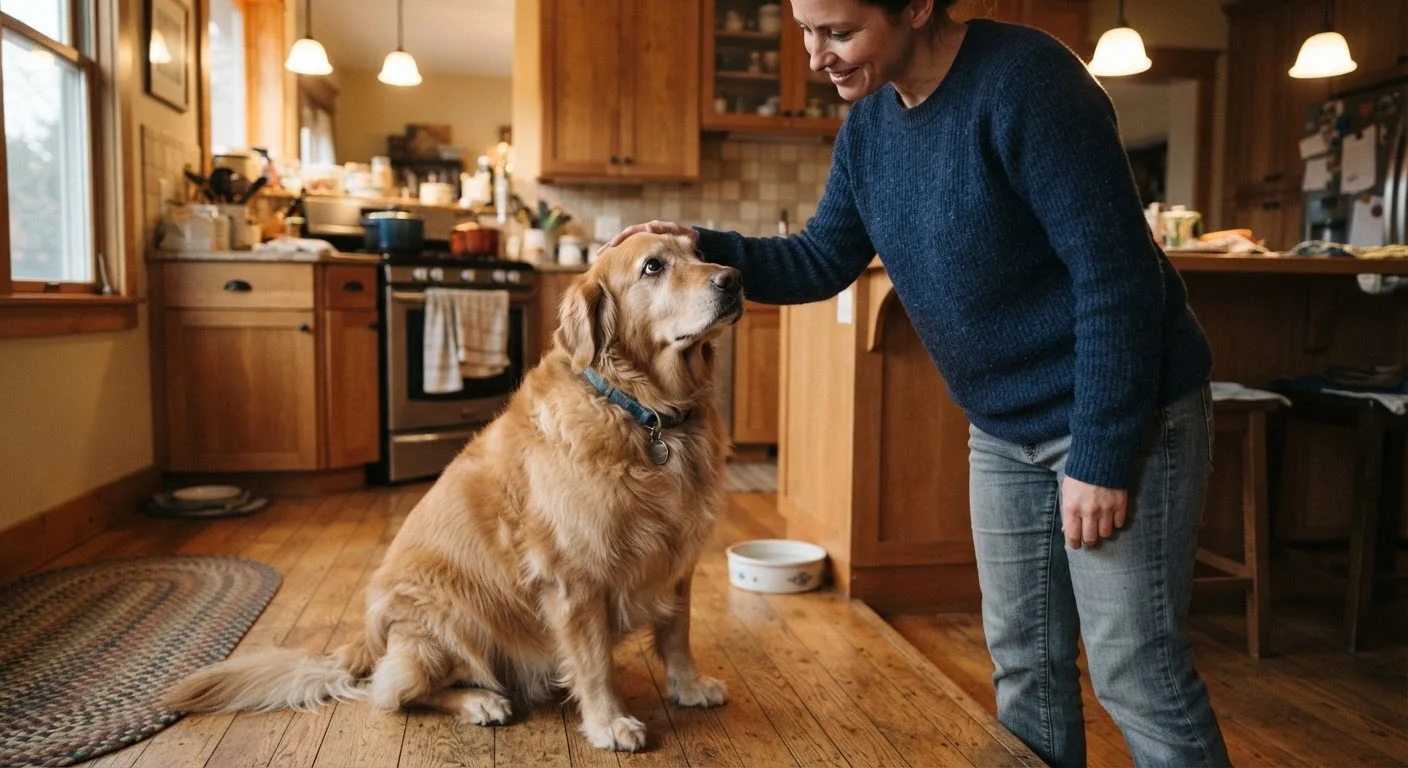
Photo credit: FaqsInsights.com | Stay Informed, Stay Ahead
Understand the common contributors to pet obesity — from overfeeding to inactivity — and what a vet-informed response looks like.
Key Takeaways
- Overfeeding and inadequate exercise are the most common drivers of pet weight gain.
- Treats can contribute a surprising percentage of a pet's daily caloric intake.
- Medical conditions like hypothyroidism can cause weight gain independent of diet.
- A veterinarian's body condition score assessment is more reliable than scale weight alone.
- Gradual, vet-guided adjustments are safer than abrupt dietary restrictions.
Why Pet Weight Gain Deserves a Closer Look
Pet obesity is one of the most common - and preventable - health concerns veterinarians encounter. Carrying excess weight puts stress on joints, strains the heart, contributes to diabetes, and can meaningfully shorten a pet's life. For more on what that risk looks like over time, see how vets assess healthy weight.
Yet many owners don't notice gradual weight gain until it becomes a more serious problem. Understanding what causes it - and which everyday habits quietly make it worse - is the first step toward changing the pattern. This article walks through the most common mistakes owners make and how to approach each one with your pet's wellbeing in mind.
Relying on package feeding guidelines without adjusting for your pet's actual lifestyle.
Why it happens: Feeding instructions on pet food labels are calculated for average animals at maintenance weight, not for every individual size, activity level, or health status. Owners often follow them exactly, assuming they're universally correct.
Underestimating how many calories treats contribute to a pet's daily intake.
Why it happens: Treats feel like small additions, but they can account for 20-30% or more of a pet's total daily calories when given freely throughout the day. Their cumulative impact is easy to overlook.
Assuming weight gain is purely a food issue and overlooking insufficient physical activity.
Why it happens: Owners often focus on what a pet eats and miss how little movement actually occurs day-to-day, especially for indoor cats or dogs in small homes without structured exercise.
Not considering a medical cause when a pet gains weight despite appropriate diet and exercise.
Why it happens: Conditions like hypothyroidism in dogs or hyperadrenocorticism (Cushing's disease) can cause weight gain that has nothing to do with how much a pet eats. Owners often blame themselves and adjust feeding when the real issue is hormonal.
Free-feeding dry food and leaving it available around the clock.
Why it happens: Free-feeding is convenient and feels kind - owners worry their pet will go hungry. It's especially common with cats, who are often assumed to self-regulate, though many do not.
How to Take a More Informed Approach
Addressing pet weight gain isn't about strict dieting or dramatic lifestyle overhauls - it's about building sustainable habits rooted in your individual animal's needs. Every pet has a different metabolism, activity level, breed predisposition, and life stage, which is why a one-size-fits-all approach rarely works.
Don't Restrict Calories Without Vet Guidance
Drastically cutting a pet's food intake without professional direction can cause nutritional deficiencies and, in cats, a dangerous liver condition called hepatic lipidosis. Any significant dietary change should be discussed with a veterinarian first. A gradual, monitored approach is always safer than an abrupt restriction.
Start with a veterinary visit. Ask your vet to perform a body condition score (BCS) assessment - a standardized physical evaluation that considers fat distribution and muscle mass, not just the number on a scale. This gives you a concrete baseline and a realistic target.
From there, small, consistent changes tend to produce better long-term outcomes than aggressive calorie cuts. Adjusting portion sizes by 10-15%, switching to measured meals instead of free-feeding, and gradually increasing daily activity can all shift the trajectory without stressing your pet physically or emotionally. Senior pets, in particular, may need tailored guidance - their nutritional needs differ significantly from younger animals, as explored in this guide to aging pet care.
Also consider the full picture of daily intake - including water. Proper hydration supports digestion and can influence how satisfied a pet feels between meals. And if you're establishing weight management habits from the start of pet ownership, the wellness groundwork for new pets offers a helpful checklist.
Progress should be monitored monthly with your vet. Losing weight too quickly - especially in cats - can cause serious medical complications. Patience, consistency, and professional guidance are the cornerstones of a healthy approach.
~60%
US dogs and cats estimated to be overweight
The Association for Pet Obesity Prevention has consistently found in its annual surveys that a majority of US pets are overweight or obese.
20-30%
Daily calories that treats can contribute
Veterinary nutrition guidelines suggest treats should make up no more than 10% of a pet's daily caloric intake to avoid unintended weight gain.
This article provides general educational information about pet health and is not a substitute for professional veterinary advice. Always consult a licensed veterinarian regarding your pet's specific health needs.

Author
Pets & Animals Editorial Team
Pets & Animals Editorial Team is the collective byline for our editorial team and contributor network. Articles published under this byline or an editorial pen name are researched, written, and reviewed according to our editorial standards for clarity, consistency, and independence before publication.
View all articles →