
When Senior Pets Need Different Care: A Guide to Aging Animals
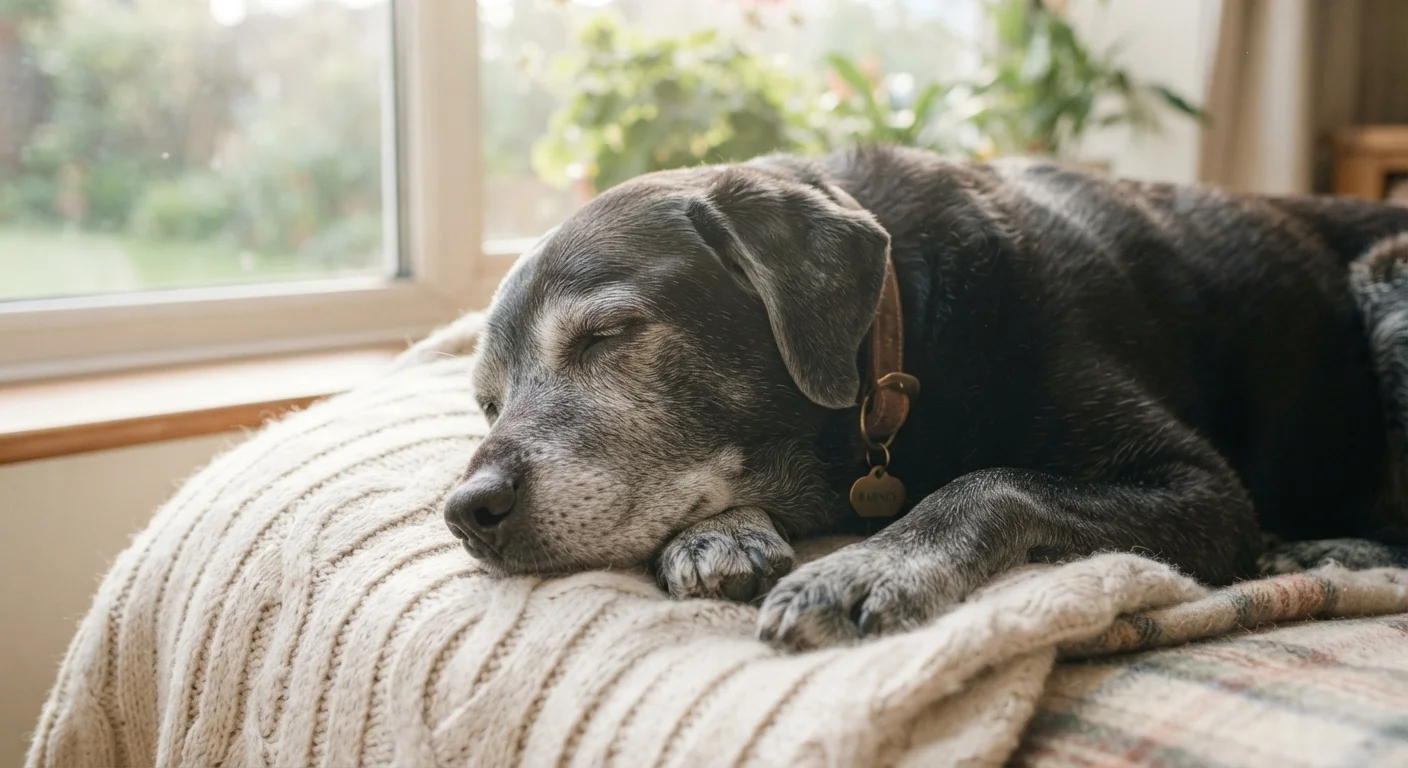
Photo credit: FaqsInsights.com | Stay Informed, Stay Ahead
In this article
As pets age, their nutritional, medical, and behavioral needs shift. This guide covers what changes to expect and how to support quality of life in older animals.
Key Takeaways
- Senior status varies by species and size - dogs and cats typically enter their senior years between ages 7 and 10.
- Physical changes like reduced mobility, dental disease, and organ changes are common and manageable with proactive care.
- Nutritional needs shift with age; a veterinarian can help you adjust diet and monitor hydration.
- Behavioral changes in older pets may signal pain, cognitive decline, or stress - not stubbornness.
- Twice-yearly vet visits are generally recommended for senior animals to catch issues early.
When Is a Pet Considered Senior?
There is no single birthday that turns a pet into a senior animal. The threshold depends on species, breed, and body size. As a general guide, veterinarians often classify cats and small-breed dogs as seniors around age 10-11, medium-breed dogs around age 8-9, and large or giant-breed dogs as early as age 7. Rabbits, birds, and other companion animals have their own aging timelines.
Body size matters considerably in dogs: larger breeds tend to have shorter lifespans and show age-related changes earlier than their smaller counterparts. If you are unsure when your pet enters senior status, your veterinarian is the right person to ask - they can factor in breed-specific data and your individual animal's health history.
Senior life stage
The phase of an animal's life when age-related physiological changes become more likely. The timing varies by species and breed, and is distinct from simply being an 'old' animal.
Cognitive Dysfunction Syndrome (CDS)
A neurological condition in aging dogs and cats that affects memory, awareness, and behavior - similar in some ways to dementia in humans. Signs include disorientation and altered sleep patterns.
Arthritis
Inflammation of the joints that causes pain and stiffness. It is common in older pets and often shows up as reluctance to move, climb, or jump.
Body condition score
A standardized scale veterinarians use to assess whether a pet's weight is too low, appropriate, or too high by evaluating visible and palpable fat and muscle.
Periodontal disease
Infection and inflammation of the tissues surrounding the teeth, caused by plaque buildup over time. It is very common in older pets and can affect overall health if untreated.
Physical Changes to Expect as Pets Age
Aging brings gradual but real physical changes across nearly every body system. Knowing what to look for helps you act early rather than react late.
- Joints and mobility: Arthritis is one of the most common conditions in older dogs and cats. You may notice slower movement, reluctance to climb stairs, or hesitation before jumping. Non-slip mats and ramps can reduce daily strain at home.
- Dental disease: Periodontal disease tends to accumulate over a lifetime. Bad breath, difficulty chewing, or dropping food may indicate oral pain that needs veterinary attention.
- Sensory changes: Gradual hearing or vision loss is not uncommon. Pets adapt well when transitions are gentle and their environment stays predictable.
- Organ function: Kidney disease, heart changes, and liver function shifts become more common with age. Many of these conditions are manageable when caught early through routine bloodwork.
- Weight shifts: Some seniors lose muscle mass and become underweight; others gain weight due to reduced activity. Both carry health implications - see our overview of how weight affects pet health for broader context.
Don't Dismiss Gradual Changes as 'Just Aging'
It can be tempting to attribute slow, subtle changes - weight loss, reduced appetite, or limping - to normal old age. However, many of these signs point to treatable conditions that worsen without intervention. If you notice a change that persists for more than a few days, schedule a veterinary evaluation rather than waiting to see if it resolves on its own.
Nutrition and Hydration for Older Animals
Nutritional needs shift meaningfully as pets age. Caloric requirements often decrease alongside activity levels, but protein needs may remain high - particularly in cats, who rely heavily on dietary protein throughout life. Some senior pets also benefit from foods with adjusted phosphorus levels to support kidney health, though any diet change should follow a veterinary recommendation rather than a label claim.
Hydration deserves particular attention in older animals. Kidney disease and other age-related conditions can make adequate water intake even more important. Our guide on why water intake matters for pets covers practical ways to encourage drinking at any life stage. Wet food, water fountains, and multiple bowl locations are commonly recommended strategies.
Encourage Hydration With Simple Changes
Many senior pets, especially cats, drink more readily from a moving water source. A pet water fountain - kept clean and freshly filled - can noticeably improve daily water intake. Placing water bowls on every floor of your home also helps older animals with mobility challenges stay well hydrated without effort.
Avoid making major diet changes without speaking to your vet first. What works for one senior animal may not suit another, especially when underlying health conditions are involved.
Behavioral Shifts and Mental Wellness
Behavioral changes in older pets are easy to misread. Slowing down, sleeping more, or becoming less interested in play are natural aging patterns - but some changes indicate something more significant. Cognitive Dysfunction Syndrome (CDS), sometimes described as a feline or canine equivalent of dementia, can cause disorientation, altered sleep-wake cycles, reduced recognition of familiar people, and changes in vocalization.
Pain is another frequent driver of behavioral change. A dog that snaps when touched, or a cat that stops using the litter box, may be communicating discomfort rather than acting out. Our article on signs your pet is stressed can help you distinguish stress responses from other causes. Understanding your pet's body language is also a valuable tool at this life stage.
Mental enrichment remains important even when physical activity decreases. Gentle puzzle feeders, scent activities, and consistent social interaction help maintain cognitive engagement.
Routine Matters More as Pets Age
Older animals - particularly those with early cognitive changes - often find comfort in predictability. Keeping feeding times, sleep locations, and daily schedules consistent can reduce anxiety and help senior pets feel secure. If your household is expecting significant change, such as adding a new pet, consider the impact on your senior animal - our guide on bringing a second pet home addresses this transition thoughtfully.
Veterinary Care in the Senior Years
Preventive veterinary care becomes more valuable - not less - as pets age. Most veterinarians recommend moving from annual to twice-yearly wellness exams for senior animals. These visits typically include a physical examination, weight assessment, dental check, and blood and urine panels to evaluate organ function. Early detection of kidney disease, thyroid conditions, or diabetes gives owners and vets more options for management.
Pain management is an evolving area of veterinary medicine. If your pet shows signs of discomfort, discuss options with your vet rather than assuming age-related slowing is inevitable and untreatable. Many older animals respond well to appropriate interventions that meaningfully improve their quality of life.
Finally, keep home documentation: a simple log of appetite, water intake, bathroom habits, and activity level gives your vet useful context between visits. Small changes tracked over time are often more telling than a single observation in the exam room.
This article is for general informational purposes only and is not a substitute for professional veterinary advice. Always consult a licensed veterinarian for guidance specific to your pet's health and individual circumstances.
Pet Care Basics Hub
A comprehensive collection of everyday care guidance for keeping pets healthy across all life stages, from nutrition and hydration to stress and behavior.
Why Pets Gain Weight and How to Approach It Thoughtfully
Explores the common contributors to weight gain in pets - including reduced activity in senior animals - and what a vet-informed response looks like.
Frequently Asked Questions

Author
Pets & Animals Editorial Team
Pets & Animals Editorial Team is the collective byline for our editorial team and contributor network. Articles published under this byline or an editorial pen name are researched, written, and reviewed according to our editorial standards for clarity, consistency, and independence before publication.
View all articles →