
Weight and Your Pet's Health: Why the Scale Matters More Than You Think
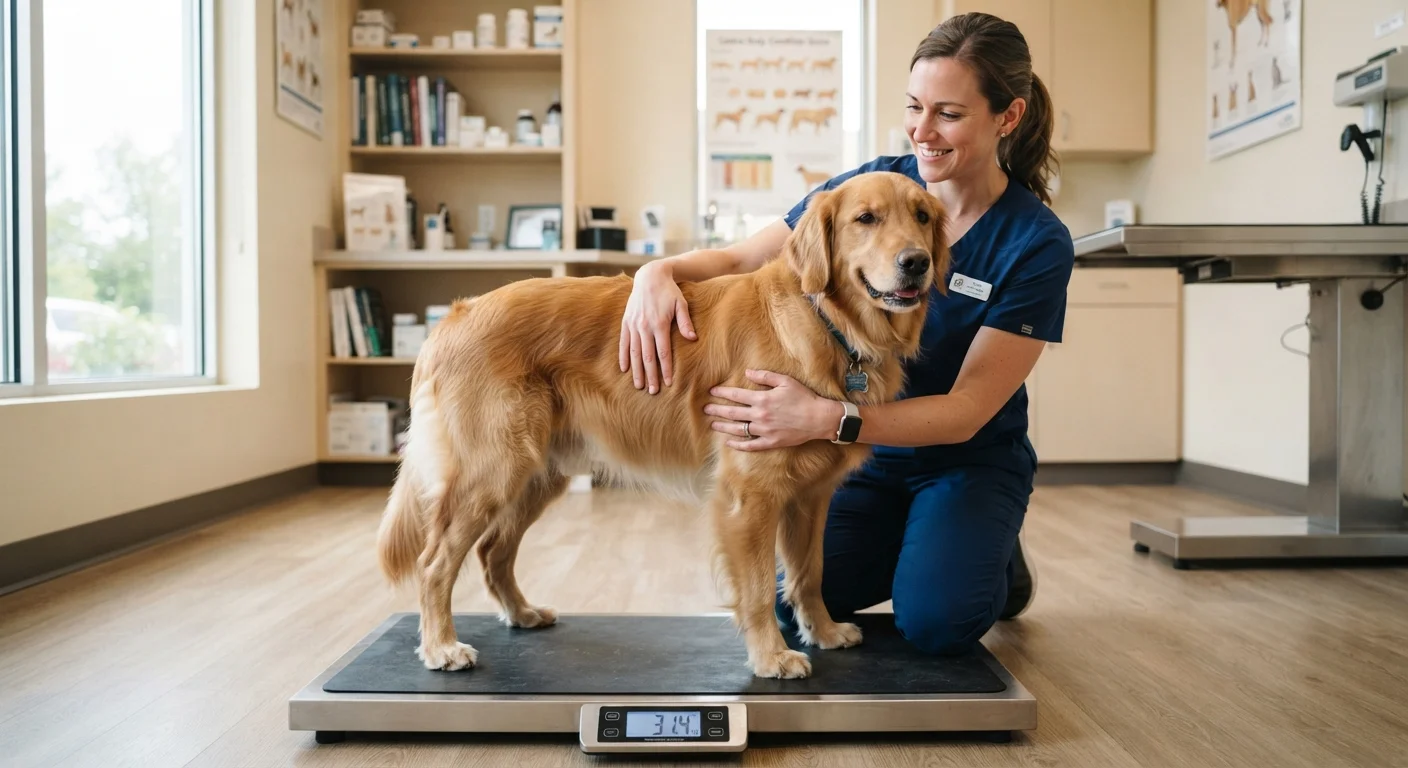
Photo credit: FaqsInsights.com | Stay Informed, Stay Ahead
In this article
Excess weight in pets is linked to joint disease, diabetes, and shortened lifespan. Learn how vets assess body condition and what healthy weight looks like.
Key Takeaways
- Excess body weight is directly linked to joint disease, diabetes, heart conditions, and shorter lifespans in pets.
- Vets use Body Condition Scoring - not just the scale - to assess whether a pet's weight is appropriate for their frame.
- Even a 10-15% reduction in body weight can meaningfully improve mobility and quality of life in overweight pets.
- Free-feeding and high-calorie treats are among the most common contributors to gradual weight gain in household pets.
- Senior pets and certain breeds carry higher obesity risk and may need more frequent weight monitoring.
Why Weight Is a Vital Sign, Not Just a Number
When a veterinarian places your pet on the scale, they're doing more than satisfying curiosity. Body weight is a genuine clinical indicator - one that connects to joint health, organ function, immune response, and longevity. Yet weight is also one of the most frequently underestimated health metrics among pet owners, partly because gradual gain is nearly invisible day to day.
Research in companion animal medicine consistently shows that overweight pets face meaningfully higher risks of osteoarthritis, type 2 diabetes (particularly in cats), hypertension, respiratory difficulty, and certain cancers. Excess weight also compounds existing health problems - a dog with mild hip dysplasia, for example, will experience significantly more pain and mobility loss if carrying unnecessary fat mass.
Understanding how weight affects your pet - and how professionals evaluate it - is a practical first step toward better long-term care. For a broader view of what routine veterinary assessments cover, see our guide to annual vet visits.
59%
U.S. dogs classified as overweight or obese
According to Association for Pet Obesity Prevention survey data, more than half of U.S. dogs fall above their ideal body condition.
61%
U.S. cats classified as overweight or obese
The same survey data indicates that cats have a slightly higher prevalence of overweight status than dogs among U.S. companion animals.
~1.8 yrs
Median lifespan reduction in overweight Labradors
A Purina-funded long-term study found that Labrador Retrievers kept lean lived nearly two years longer than overweight littermates.
How Vets Actually Assess Body Condition
A number on a scale only tells part of the story. A 60-pound Labrador and a 60-pound Greyhound have very different healthy weight profiles, which is why veterinarians rely primarily on Body Condition Scoring (BCS) - a standardized system that evaluates fat coverage and muscle mass relative to an individual animal's frame.
The most widely used BCS scale runs from 1 to 9:
- 1-3: Underweight - ribs, spine, and hip bones visible without touching; little to no fat cover
- 4-5: Ideal - ribs felt easily with light pressure; a visible waist from above; abdominal tuck present
- 6-7: Overweight - ribs difficult to feel; waist absent or barely defined; fat deposits over the back and base of the tail
- 8-9: Obese - heavy fat deposits; no visible waist; abdomen rounded and distended
At home, the rib check is a reliable starting point: place both thumbs on your pet's spine and fan your fingers across the ribcage. You should feel individual ribs without pressing hard, similar to feeling your own knuckles on a loosely closed fist. If that tactile feedback is absent, a vet evaluation is warranted.
Do the Rib Check at Home
Once a month, practice the rib-check assessment described above. It takes under 30 seconds and can alert you to gradual changes well before they become visible. Track your pet's weight at each vet visit and ask your vet to record BCS alongside it - having that history makes trends much easier to spot over time.
The Real Health Costs of Extra Weight
Obesity in pets is not a cosmetic issue - it's a systemic one. Fat tissue is metabolically active, producing inflammatory compounds that affect joint cartilage, insulin sensitivity, and cardiovascular function. Here's what the research points to:
- Joint disease: Excess load accelerates cartilage breakdown. Studies have found that even modest weight loss in arthritic dogs reduces lameness scores and improves activity levels.
- Feline diabetes: Obese cats are significantly more likely to develop insulin-resistant diabetes. In some cases, achieving a healthy weight while under veterinary supervision has been associated with diabetic remission.
- Shortened lifespan: A long-term study in Labrador Retrievers found that dogs maintained at an ideal body condition lived a median of nearly two years longer than their heavier littermates.
- Surgical and anesthetic risk: Overweight pets face higher complication rates during procedures due to respiratory compromise and altered drug metabolism.
If your pet is approaching their senior years, weight management becomes even more critical. Our guide to caring for aging animals covers how nutritional and activity needs shift with age.
Common Contributors to Weight Gain - and What to Do
Most pet obesity is rooted in straightforward causes: more calories in than calories out, compounded by lifestyle habits that feel harmless in isolation. The most common culprits include:
- Free-feeding: Leaving dry food out continuously removes any portion control. Most pets will eat beyond their energy needs if food is always available.
- Treat overload: Treats are often far higher in calories than owners realize. A single dog biscuit can represent 10% or more of a small dog's daily caloric needs.
- Inaccurate portion sizes: Feeding guide labels on pet food are general estimates and often skew high. Measuring food by weight rather than volume is more accurate.
- Reduced activity: Dogs walked less frequently and indoor-only cats with limited enrichment burn fewer calories, even if their diet hasn't changed.
Good hydration supports metabolic health alongside appropriate nutrition - see our overview of pet hydration for more. If you suspect your pet has gained weight despite no obvious dietary changes, a veterinary exam is the right next step to rule out underlying conditions like hypothyroidism before adjusting food intake.
This article is for general educational purposes only and is not a substitute for professional veterinary advice. Always consult your veterinarian for guidance specific to your pet's health needs.
Frequently Asked Questions

Author
Pets & Animals Editorial Team
Pets & Animals Editorial Team is the collective byline for our editorial team and contributor network. Articles published under this byline or an editorial pen name are researched, written, and reviewed according to our editorial standards for clarity, consistency, and independence before publication.
View all articles →