
Annual Vet Visits: What Actually Happens and Why They Matter
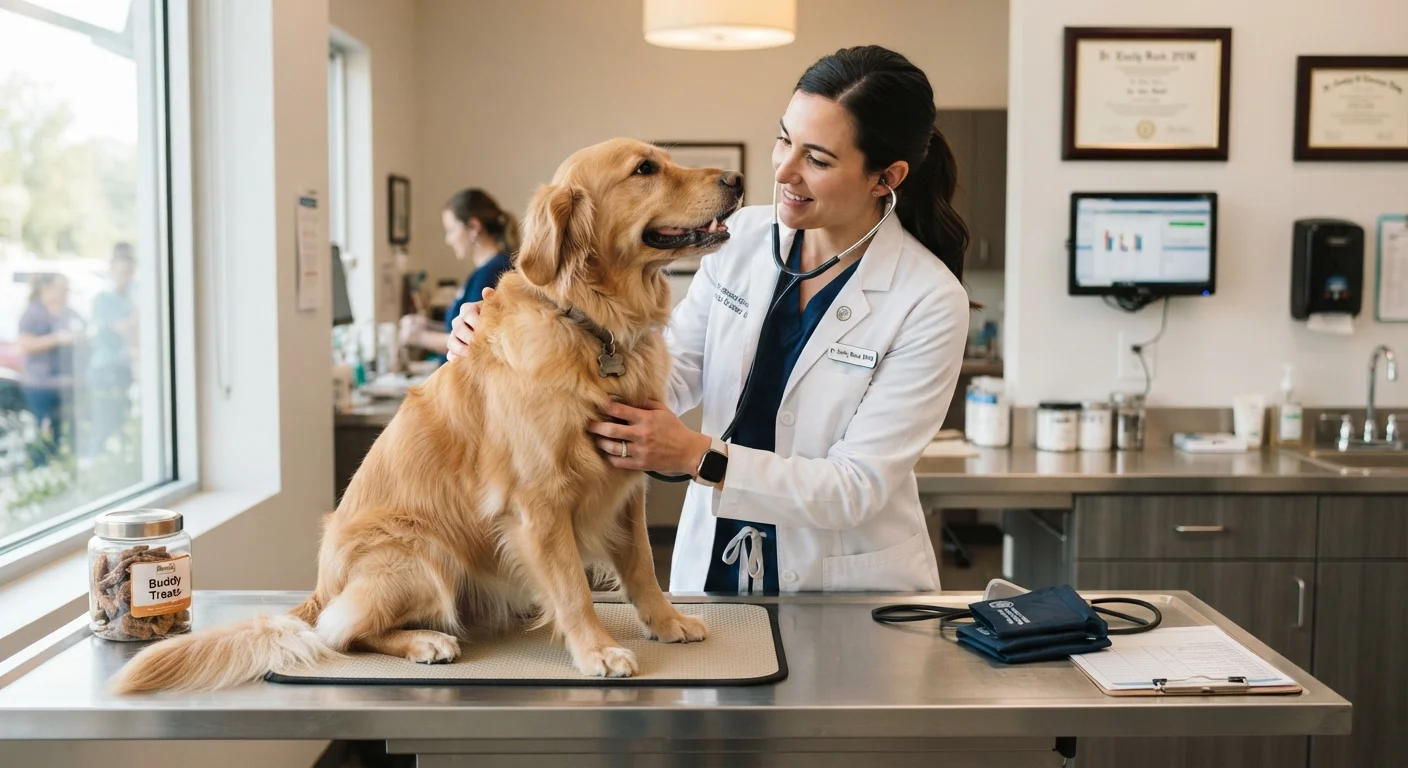
Photo credit: FaqsInsights.com | Stay Informed, Stay Ahead
In this article
A clear walkthrough of what a routine veterinary wellness exam covers and why regular check-ups are central to your pet's long-term health.
Key Takeaways
- Annual exams cover far more than vaccinations - they include a full physical assessment of every major body system.
- Many serious pet health conditions, including dental disease and early organ dysfunction, show no obvious symptoms at home.
- Senior pets and young animals typically need more frequent wellness visits than once a year.
- A consistent vet relationship helps track changes in your pet's health over time, which is more valuable than a single snapshot.
- Wellness exams are an opportunity to ask questions about nutrition, behavior, and preventive care.
What a Routine Wellness Exam Actually Covers
Many pet owners think of the annual vet visit as a formality - a quick vaccine refresh and a pat on the head. In practice, a thorough wellness exam is a structured, methodical assessment of your pet's entire body. Understanding what happens during that appointment helps you get more out of it and spot when something is being missed.
A typical exam begins with vitals: weight, temperature, heart rate, and respiratory rate. Weight changes, even gradual ones, can signal underlying problems - see our guide to weight and your pet's health for why this number matters more than it might seem.
From there, the veterinarian moves through a systems-based physical assessment:
- Eyes and ears: Checking for discharge, cloudiness, inflammation, or early signs of infection
- Mouth and teeth: Dental disease is among the most common - and most commonly overlooked - conditions in adult pets
- Skin and coat: Assessing for parasites, lesions, lumps, or coat quality changes that may reflect nutritional or hormonal issues
- Heart and lungs: Listening with a stethoscope for abnormal heart rhythms or respiratory sounds
- Abdomen: Palpating the belly to feel organ size and detect any masses or discomfort
- Lymph nodes: Enlarged nodes can indicate infection or, in some cases, systemic illness
- Joints and mobility: Especially important in older dogs and large breeds prone to arthritis
For a more detailed breakdown of what vets are specifically looking for at each step, see what veterinarians actually look for at a routine checkup.
Prepare a Short Health Log Before the Visit
In the week before your appointment, jot down anything you've noticed - changes in thirst, appetite, sleep patterns, bathroom habits, or energy levels. Even small observations can give your vet meaningful clinical context. It takes five minutes and can meaningfully improve what comes out of the exam.
Why Frequency and Consistency Matter
A single exam gives your vet a snapshot. A series of annual exams - with the same clinic or at least consistent record-sharing - gives them a longitudinal picture. That context is what allows a veterinarian to notice that a previously normal heart murmur has progressed, that blood work values have been trending in a concerning direction, or that a pet who was lean two years ago has quietly gained significant weight.
Age changes the calculus, too. Puppies and kittens need a series of early visits to complete initial vaccination protocols, screen for congenital issues, and establish care habits. Adult pets generally do well with once-yearly exams. Senior pets - typically defined as dogs over seven and cats over ten, though this varies by size and breed - benefit from biannual exams because age-related conditions can develop quickly and are easier to manage when detected early.
Exam Frequency Varies by Life Stage
There is no single schedule that fits every pet. Puppies and kittens may need visits every three to four weeks through their first several months. Adult pets generally need one annual exam. Senior pets commonly need two per year. Your veterinarian will recommend a schedule suited to your individual animal's needs, breed risks, and health history.
If you're setting up care for a newly adopted animal, bringing a new pet home: the wellness groundwork that sets them up for life walks through the early vet visits and health baselines every new pet owner should establish.
Vaccinations, Screening Tests, and Preventive Medications
Annual visits typically include a review of your pet's vaccination status. Not every vaccine is given every year - some follow a three-year schedule - but the annual visit is when your vet confirms what's current and what's due. Core vaccines for dogs generally include distemper, parvovirus, adenovirus, and rabies. Cats are typically vaccinated for panleukopenia, herpesvirus, calicivirus, and rabies. Lifestyle factors influence whether non-core vaccines (such as leptospirosis or Bordetella in dogs) are also recommended.
Beyond vaccines, many annual exams include or recommend:
- Fecal testing for intestinal parasites, which can be present without visible symptoms
- Heartworm testing for dogs, usually annually if they're on preventive medication
- Blood panels for senior pets, screening kidney function, liver values, thyroid levels, and blood cell counts
- Urinalysis to catch early kidney disease or diabetes, conditions that present subtly at first
Preventive parasite medications - for fleas, ticks, and heartworm - are often reviewed and renewed at these visits. Your vet can help you assess which products are appropriate for your pet's lifestyle and your region's parasite risk.
~70%
Pets with dental disease by age 3
The American Veterinary Medical Association estimates the majority of dogs and cats show signs of periodontal disease by age three, a condition routinely identified during wellness exams.
2x/year
Recommended exam frequency for senior pets
Most veterinary organizations recommend that pets classified as seniors receive wellness exams twice per year, as age-related conditions can progress rapidly between annual visits.
Early detection
Key benefit of routine blood panels
Conditions such as kidney disease and hyperthyroidism in cats are often asymptomatic in early stages, making routine laboratory screening the primary detection method for many senior animals.
Understanding how wellness exams fit into your broader approach to veterinary costs is also worth thinking through. Pet insurance, emergency funds, and wellness plans each work differently - knowing the distinction helps you plan ahead rather than react to unexpected bills.
Making the Most of the Visit
The exam itself takes only part of the appointment. The conversation around it - your observations as the person who lives with your pet - is equally important. Vets rely on owner-reported changes in behavior, appetite, thirst, energy, elimination habits, and mobility to guide the clinical picture.
Come prepared with notes. Changes that seem minor at home may be clinically significant: drinking more water than usual, occasionally stumbling on stairs, or being less interested in play. These details are easy to forget in the moment.
Annual wellness visits are also the right time to ask about topics like dental cleaning schedules, the health implications of spaying or neutering, weight management, and any behavioral concerns. Vets are a resource for general pet care guidance, not just medical treatment - a good annual visit is as much a conversation as it is an examination.
For a solid foundation on everyday care between visits, the Pet Care Basics hub covers the essentials that keep pets healthy day to day.
This article is for general informational purposes only and does not constitute veterinary advice. Always consult a licensed veterinarian for guidance specific to your pet's health needs.
Frequently Asked Questions

Author
Pets & Animals Editorial Team
Pets & Animals Editorial Team is the collective byline for our editorial team and contributor network. Articles published under this byline or an editorial pen name are researched, written, and reviewed according to our editorial standards for clarity, consistency, and independence before publication.
View all articles →