
What Veterinarians Actually Look for at a Routine Checkup
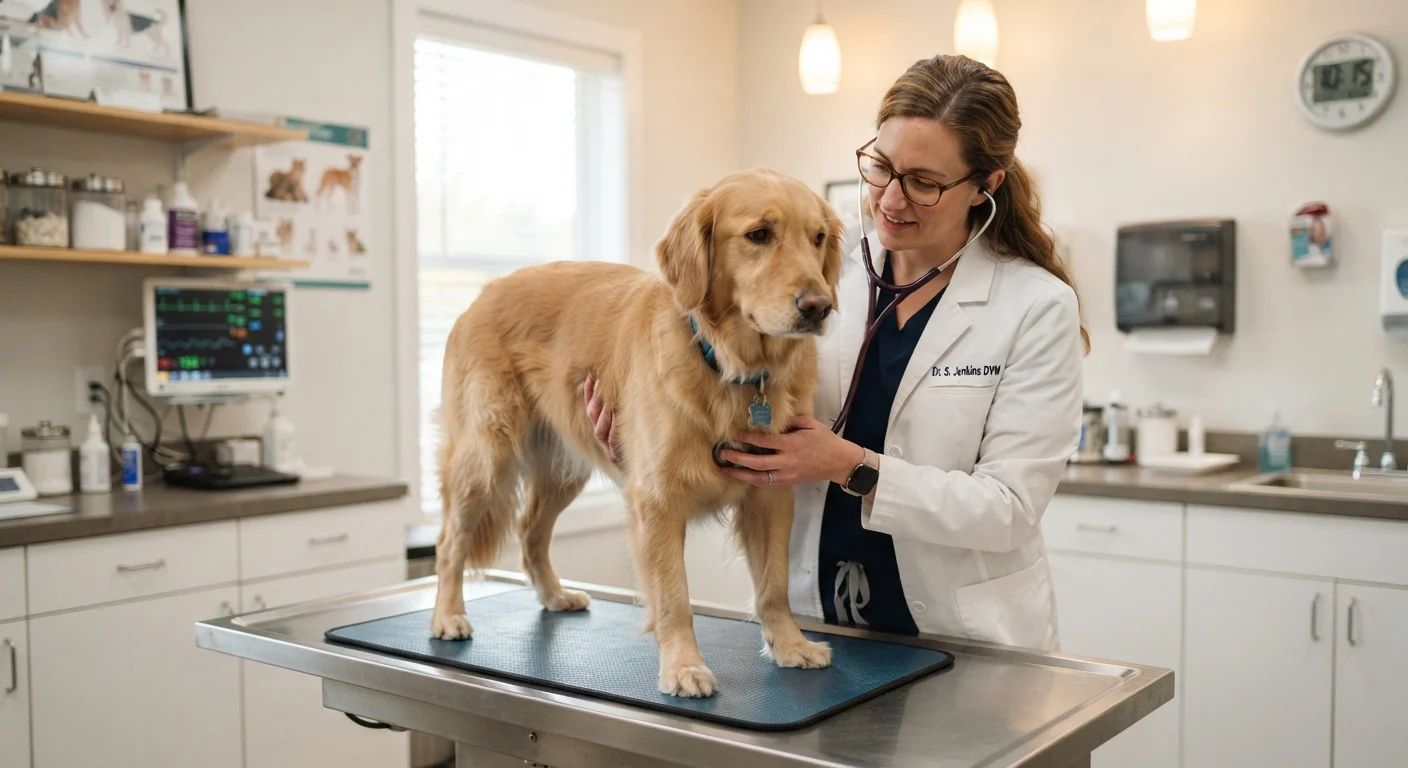
Photo credit: FaqsInsights.com | Stay Informed, Stay Ahead
In this article
A clear walkthrough of what happens during a standard wellness exam and why each part of the visit matters for your pet.
Key Takeaways
- A routine checkup is a systematic, full-body assessment - not just a vaccine appointment.
- Vets evaluate eyes, ears, teeth, heart, lungs, abdomen, skin, coat, and musculoskeletal system.
- Early detection during wellness exams often leads to more manageable and less costly treatment.
- Your observations at home are a critical part of every exam - come prepared with notes.
- Exam frequency depends on species, age, and health status; senior pets typically need more frequent visits.
More Than a Quick Look: What the Exam Actually Covers
Many pet owners arrive at the clinic expecting a quick weigh-in and a shot. In reality, a routine wellness exam is a methodical, nose-to-tail evaluation of nearly every body system. Veterinarians follow a consistent sequence so nothing gets missed - and because they're working quickly and efficiently, the exam can feel deceptively brief.
The visit begins before the physical even starts. Your vet or a technician will review your pet's history, ask about diet, activity level, water intake, bathroom habits, and any behavioral changes. These questions matter. A dog drinking more water than usual, or a cat that's become less playful, may be showing early signs of metabolic or hormonal changes. Your observations at home fill in gaps no stethoscope can catch.
Track Changes Between Visits
Keep a simple log of your pet's eating, drinking, weight, and energy levels between appointments. Even rough notes can help your veterinarian spot trends over time that would otherwise go undetected. Many vets welcome photos or short video clips of behaviors or physical changes you've noticed at home.
For dogs, building a consistent daily routine helps you notice deviations more easily. See our daily routine guide for dog owners for a practical framework to track your pet's normal patterns.
The Physical Examination: System by System
Once the history is collected, the hands-on assessment begins. Here's what a veterinarian is evaluating at each stage:
- Eyes and ears: Checking for discharge, redness, cloudiness, inflammation, or signs of infection. Ear canal health is particularly important in dogs prone to recurring infections.
- Mouth and teeth: Dental disease is one of the most commonly overlooked pet health issues. Vets assess gum color, tartar buildup, tooth integrity, and signs of oral pain. Pale or yellow gums can indicate systemic illness.
- Lymph nodes: Swollen lymph nodes can signal infection or, in some cases, more serious conditions. Vets palpate nodes under the jaw, at the shoulders, and behind the knees.
- Heart and lungs: A stethoscope reveals heart rate, rhythm, and the presence of murmurs or abnormal lung sounds that may suggest early cardiac or respiratory issues.
- Abdomen: Gentle palpation assesses organ size and texture. An enlarged liver, thickened intestinal loops, or a mass in the abdomen can be detected before symptoms become obvious.
- Skin and coat: Flaking, hair loss, unusual lumps, parasites, and inflammation all show up here. For cats, changes in grooming habits can be an early indicator of pain or illness - a topic covered in depth in our cat grooming guide.
- Musculoskeletal system: Range of motion in joints, muscle mass, and gait are evaluated for signs of arthritis, neurological changes, or injury.
- Weight and body condition: Veterinarians use a standardized body condition score alongside weight to assess whether your pet is at a healthy size - both underweight and overweight carry health risks.
1 in 3
Pets with hidden illness at routine visits
According to the American Veterinary Medical Association, many pets with detectable health conditions show no outward symptoms, underscoring the value of regular exams.
85%
Dogs over age 3 with some dental disease
Veterinary dental health organizations estimate the majority of adult dogs have some degree of periodontal disease, often identified first during routine exams.
2x/year
Recommended exam frequency for senior pets
Most veterinary guidelines recommend twice-yearly wellness visits for dogs and cats considered senior, generally defined as age 7 and older depending on species and size.
Preventive Care, Diagnostics, and Next Steps
The physical exam is the centerpiece of the visit, but it's often paired with preventive care decisions. Vaccines are administered based on your pet's individual schedule and risk profile. Understanding which vaccines are considered essential versus lifestyle-dependent can help you have a more informed conversation with your vet - our article on core vs. non-core pet vaccines breaks this down clearly.
Many routine exams also include parasite screening - fecal tests for intestinal parasites, heartworm testing for dogs, or blood panels for senior pets. Lab work provides information that a physical exam alone cannot: organ function, blood cell counts, and early markers of conditions like kidney disease or diabetes.
If your vet identifies anything outside the normal range, they'll explain what they found, why it matters, and what the options are. The annual vet visit overview offers additional context on how these findings fit into your pet's longer health picture. For pets new to your household, the new pet wellness checklist explains how to establish a strong preventive foundation from day one.
Exam Frequency Varies by Life Stage
Puppies and kittens typically need a series of visits in their first year for vaccines and developmental monitoring. Adult pets in good health are generally seen annually, while senior pets often benefit from twice-yearly checkups. Your veterinarian will recommend a schedule tailored to your pet's species, breed, age, and individual health history.
This article provides general educational information about veterinary wellness exams and is not a substitute for professional veterinary advice. Always consult a licensed veterinarian regarding your individual pet's health needs.
Frequently Asked Questions

Author
Pets & Animals Editorial Team
Pets & Animals Editorial Team is the collective byline for our editorial team and contributor network. Articles published under this byline or an editorial pen name are researched, written, and reviewed according to our editorial standards for clarity, consistency, and independence before publication.
View all articles →