
Pet Vaccinations Decoded: Core vs. Non-Core and What the Schedule Means
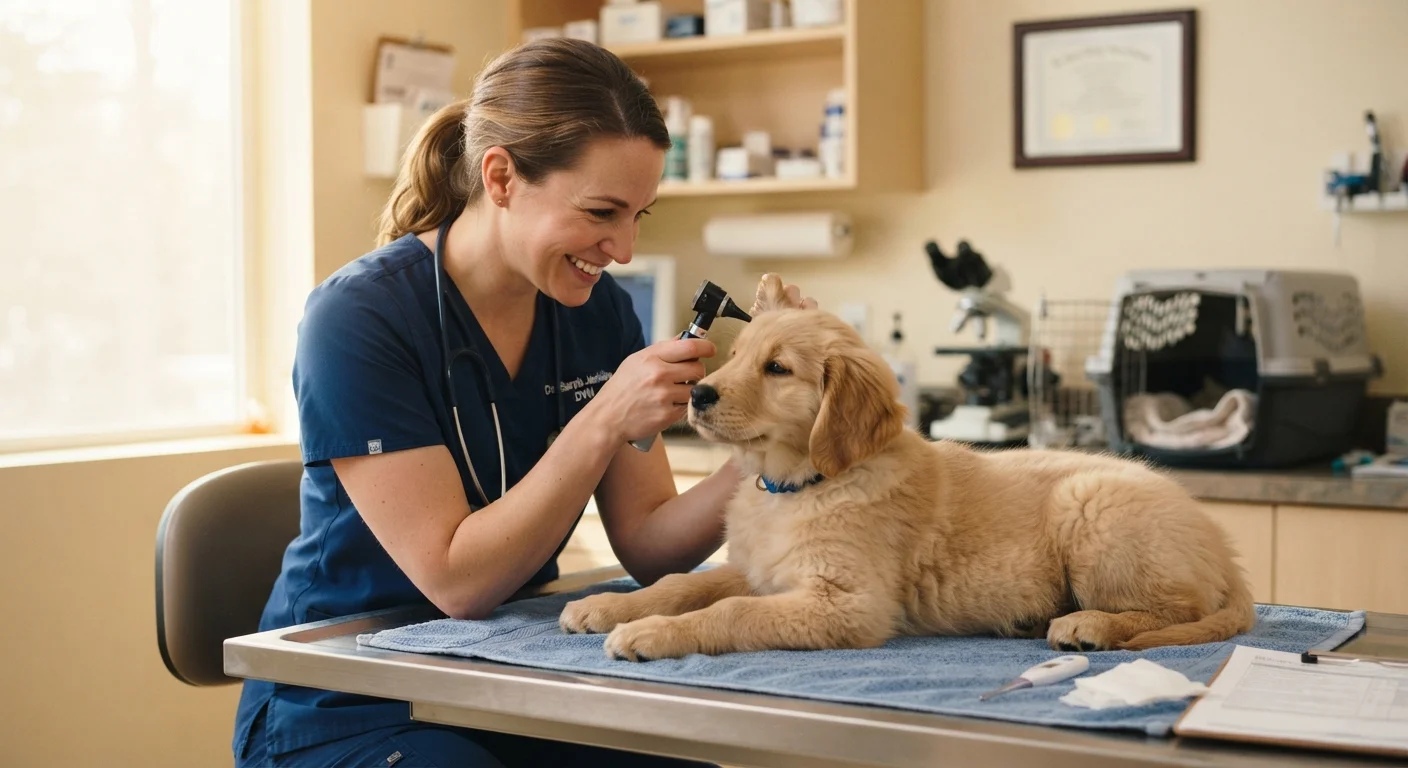
Photo credit: FaqsInsights.com | Stay Informed, Stay Ahead
In this article
Understand the difference between core and non-core pet vaccines, what drives the recommended schedule, and why it varies by species and lifestyle.
Key Takeaways
- Core vaccines protect against the most dangerous, widespread diseases and apply to virtually every pet of that species.
- Non-core vaccines are chosen based on a pet's individual lifestyle, geographic region, and exposure risk.
- Puppy and kitten schedules require a series of doses because maternal antibodies can interfere with early immune response.
- Booster frequency varies - some vaccines provide protection for one year, others for three or more.
- Your veterinarian is the right person to build a vaccination plan tailored to your specific pet.
Why Veterinary Medicine Divides Vaccines into Two Groups
Not every disease poses the same risk to every pet. A dog who hikes wooded trails in a tick-dense region faces different threats than an apartment dog who rarely leaves the building. Vaccine categorization acknowledges this reality by separating protections that every animal needs from those that depend on circumstance.
Core vaccines target diseases that are highly contagious, cause severe illness or death, have limited treatment options, or can cross from animals to humans (zoonotic diseases). Because the risk of exposure exists for virtually any pet of that species, the protective benefit almost always outweighs the small risk of the vaccine itself.
Non-core vaccines cover diseases where exposure depends heavily on geography, local wildlife, social contact with other animals, or activities like boarding, grooming, or dog parks. Administering every available vaccine to every pet would be unnecessary and could increase the chance of adverse reactions, so these are evaluated case by case.
This framework lets veterinarians build a plan that is protective without being excessive - an approach that reflects both science and individual animal welfare. See our guide to annual vet visits for a broader look at how these conversations fit into routine care.
Rabies Vaccination Is Often Legally Required
Unlike most pet health decisions, rabies vaccination is regulated by law in the majority of US states for dogs and, in many jurisdictions, for cats as well. The required interval - one year or three years - depends on the specific vaccine product used and local ordinances. Your veterinarian will know which applies in your area.
Core and Non-Core Vaccines by Species
Dogs
Core vaccines for dogs include protection against canine distemper virus, canine parvovirus, canine adenovirus-2 (which covers infectious hepatitis), and rabies. These are often combined into a single injection known informally as the DA2PP or DHPP vaccine, making administration straightforward.
Non-core vaccines for dogs include those for Bordetella bronchiseptica (kennel cough), Leptospira bacteria, canine influenza, and Borrelia burgdorferi (Lyme disease). A dog who boards regularly, attends dog parks, lives near wildlife, or spends time in wooded areas is a strong candidate for several of these.
Cats
For cats, the core set includes the FVRCP combination - covering feline viral rhinotracheitis (herpesvirus-1), calicivirus, and panleukopenia - along with rabies. Even cats that never go outdoors are commonly vaccinated against these diseases.
Non-core feline vaccines include those for feline leukemia virus (FeLV), feline immunodeficiency virus (FIV), Chlamydia felis, and Bordetella. FeLV is sometimes considered core for kittens and outdoor cats given the severity of the disease and its prevalence.
~6,000
Rabies cases reported in US animals annually
According to CDC surveillance data, wild animals account for the vast majority of reported US rabies cases, underlining why vaccination remains a public health priority.
3 years
Core vaccine booster interval for many healthy adults
AAHA and AAFP guidelines support triennial (every three years) boosters for most core vaccines in healthy adult dogs and cats after the initial series is completed.
16 weeks
Age when puppy/kitten primary series typically concludes
Most vaccine protocols time the final dose of the primary series at or after 16 weeks of age, when maternal antibody interference is expected to have sufficiently declined.
Understanding the Vaccination Schedule
Vaccination schedules can look complicated at first glance, but the logic behind them is straightforward once you understand what is driving the timing.
Puppies and Kittens
Young animals receive antibodies through their mother's colostrum (first milk), which gives them temporary protection. However, these maternal derived antibodies (MDA) gradually decline over weeks and can interfere with a vaccine's ability to stimulate the immune system. Because MDA levels vary from animal to animal, a series of doses - typically starting around 6-8 weeks and continuing every 3-4 weeks until 16 weeks of age - ensures that at least one dose lands after MDA has dropped to a non-interfering level.
Adult Boosters
After the initial puppy or kitten series, most pets receive a booster at one year of age to confirm solid immunity. From there, frequency depends on the vaccine and the product's license. Three-year intervals are common for core combination vaccines in healthy adult dogs and cats. Rabies boosters follow the interval specified by the product used and by local law. Non-core vaccines often require annual boosters because immunity duration is shorter.
If a pet's vaccination history is unknown - such as a newly adopted adult animal - a veterinarian may recommend restarting a series rather than assuming prior protection. See our new pet wellness checklist for guidance on starting off on the right foot.
Keep a Vaccination Record for Your Pet
Ask your veterinarian for a copy of your pet's vaccination history at each visit and store it somewhere accessible. Many clinics also offer digital records through client portals. Having this documentation on hand is essential if you ever need to board your pet, cross state lines, or visit an emergency clinic.
How Lifestyle and Location Shape the Plan
Two pets of the same species and age can end up with noticeably different vaccination plans, and that is by design. A veterinarian assessing vaccine needs will typically consider:
- Geographic region: Leptospirosis risk is higher in areas with wildlife contact and standing water. Lyme disease vaccines are more relevant in tick-endemic regions.
- Living environment: An indoor-only cat has lower exposure risk than one who roams outdoors or lives with outdoor cats.
- Social exposure: Dogs who visit boarding facilities, groomers, or dog parks are at elevated risk for respiratory infections like kennel cough and canine influenza.
- Age and health status: Very young, elderly, or immunocompromised animals may have different risk-benefit calculations for certain vaccines.
This individualized approach is one reason a thorough wellness exam matters - it is not just a check-in but an information-gathering session that informs care decisions. Our article on what veterinarians look for at a checkup explains how vets use exam findings to shape these recommendations.
Understanding how vaccine costs factor into overall pet care planning is also useful - our overview of pet insurance and wellness plans breaks down how these options handle preventive care expenses.
This article is for general informational and educational purposes only and is not a substitute for professional veterinary advice. Always consult a licensed veterinarian for guidance specific to your pet's health needs.
Frequently Asked Questions

Author
Pets & Animals Editorial Team
Pets & Animals Editorial Team is the collective byline for our editorial team and contributor network. Articles published under this byline or an editorial pen name are researched, written, and reviewed according to our editorial standards for clarity, consistency, and independence before publication.
View all articles →