
Indoor vs. Outdoor Cats: Understanding the Real Trade-Offs
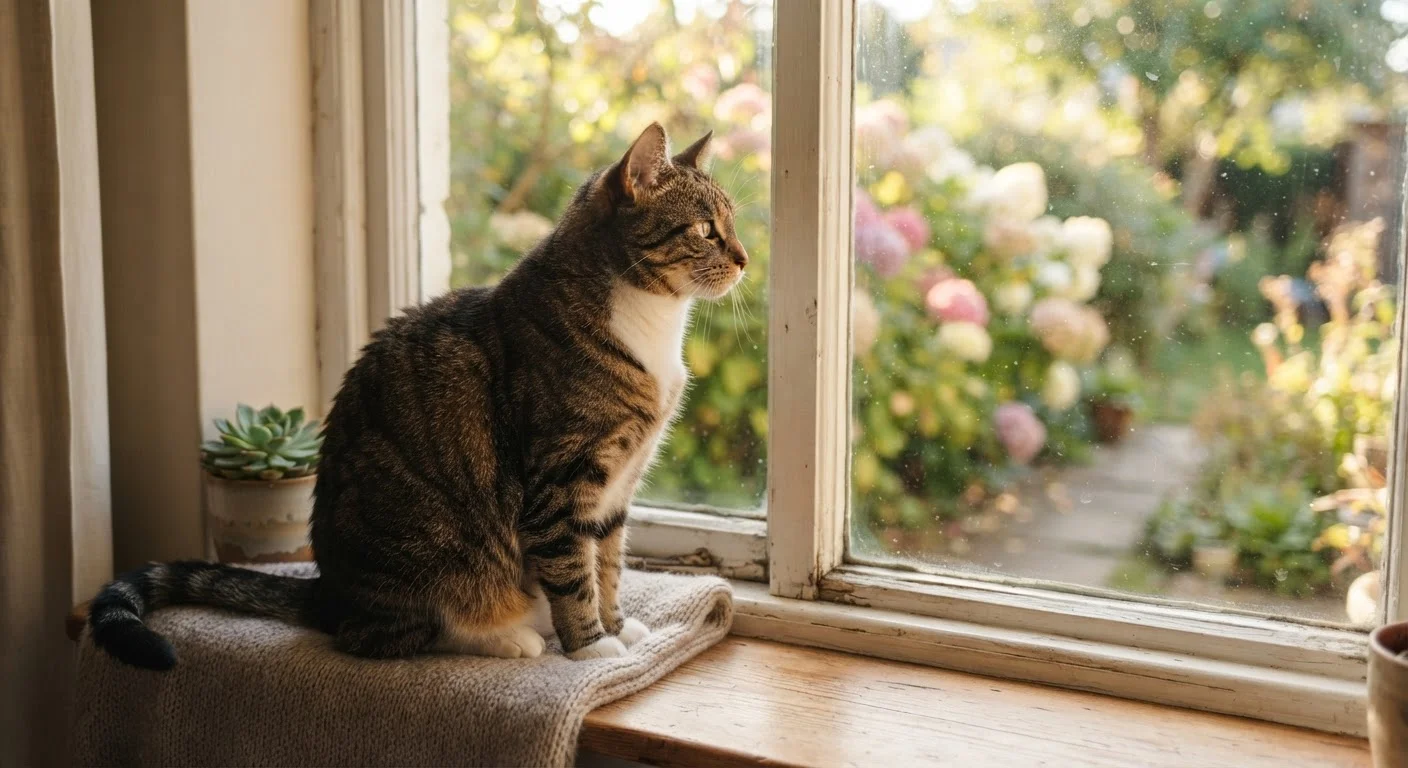
Photo credit: FaqsInsights.com | Stay Informed, Stay Ahead
In this article
A balanced look at the health, safety, and behavioral considerations of keeping cats indoors, outdoors, or somewhere in between.
Key Takeaways
- Indoor cats typically live significantly longer than cats allowed outside unsupervised.
- Outdoor cats face real threats - traffic, predators, disease, and weather - that owners often underestimate.
- Indoor cats need active enrichment to prevent boredom, obesity, and stress-related behavior problems.
- A middle path - supervised outdoor access or enclosed catios - can balance safety with stimulation.
- The right choice depends on your individual cat's temperament, health status, and local environment.
Significantly longer average lifespan
Indoor cats are protected from traffic, predators, and disease exposure - factors that contribute to outdoor cats living, on average, far fewer years than their indoor counterparts.
Lower risk of infectious disease
Conditions like FeLV, FIV, and feline panleukopenia spread primarily through contact with other cats, a risk dramatically reduced when cats stay inside.
No impact on local wildlife populations
Domestic cats are natural hunters; keeping them indoors removes their opportunity to prey on birds, lizards, and small mammals in the surrounding area.
Easier to monitor health and behavior
Owners can more readily track litter box habits, appetite, and coat condition when a cat is always home - changes that can signal health issues early.
Higher risk of vehicle and predator injury
Road traffic remains one of the leading causes of premature death in outdoor cats, and encounters with dogs, coyotes, or raptors pose serious injury risk depending on location.
Greater exposure to parasites and disease
Fleas, ticks, ear mites, and contagious illnesses are far more commonly acquired through outdoor contact with other animals or contaminated environments.
Increased likelihood of getting lost or stolen
Free-roaming cats can stray beyond familiar territory, become disoriented, or be taken in by others - making microchipping and collar ID especially important for any cat with outdoor access.
Exposure to environmental toxins
Antifreeze, rodenticides, fertilizers, and toxic plants are common hazards in neighborhoods and gardens that unsupervised cats may encounter and ingest.
Why This Question Matters More Than It Seems
The indoor vs. outdoor debate is one of the most common - and emotionally charged - topics in cat care. Owners on both sides often feel strongly, but the decision deserves clear-eyed consideration rather than habit or sentiment. Where a cat spends its time directly affects its physical health, mental wellbeing, and lifespan. Understanding the real trade-offs helps you make a choice grounded in your cat's needs, not just convenience.
It's also worth recognizing that this isn't a single binary. Fully indoor, fully outdoor, and hybrid arrangements all exist along a spectrum - and each carries its own set of considerations.
This Is General Guidance, Not a One-Size Answer
Every cat is different, and local environments vary widely. The considerations here are meant to inform your thinking - not prescribe a single correct approach. Your veterinarian is the best resource for advice tailored to your cat's specific age, health, history, and temperament.
The Case for Keeping Cats Indoors
Veterinary and animal welfare organizations broadly recommend indoor living for domestic cats, and the reasoning is well-supported. Cats kept exclusively indoors are shielded from a long list of hazards: vehicle traffic, attacks from dogs or wildlife, exposure to infectious diseases like feline leukemia virus (FeLV) and feline immunodeficiency virus (FIV), and accidental ingestion of toxins. Studies consistently suggest indoor cats live considerably longer on average than their outdoor counterparts.
Indoor living also benefits local wildlife. Domestic cats are skilled hunters, and free-roaming cats collectively have a measurable impact on bird and small mammal populations. Keeping cats inside eliminates that impact entirely.
Significantly longer average lifespan
Indoor cats are protected from traffic, predators, and disease exposure - factors that contribute to outdoor cats living, on average, far fewer years than their indoor counterparts.
Lower risk of infectious disease
Conditions like FeLV, FIV, and feline panleukopenia spread primarily through contact with other cats, a risk dramatically reduced when cats stay inside.
No impact on local wildlife populations
Domestic cats are natural hunters; keeping them indoors removes their opportunity to prey on birds, lizards, and small mammals in the surrounding area.
Easier to monitor health and behavior
Owners can more readily track litter box habits, appetite, and coat condition when a cat is always home - changes that can signal health issues early.
That said, indoor life isn't without its challenges. A cat confined to four walls without adequate stimulation can become bored, anxious, or develop unwanted behaviors. See our guide to indoor enrichment for practical ways to keep a house cat mentally and physically engaged.
The Risks of Outdoor Access
Cats that roam freely outdoors encounter a range of hazards that are difficult for owners to control or predict. Traffic is among the most significant - even in quieter neighborhoods, road injuries are a leading cause of premature death in outdoor cats. Predation by dogs, coyotes, or birds of prey is a real risk depending on your region. Outdoor cats are also far more likely to contract parasites, fight-related infections, or upper respiratory illnesses through contact with other animals.
There are environmental toxins to consider as well: antifreeze, rodent bait, and certain plants are all hazards a free-roaming cat may encounter. For a deeper look at common misconceptions about cat health - including the idea that indoor cats don't need regular vet visits - see separating myth from medicine in pet health.
Higher risk of vehicle and predator injury
Road traffic remains one of the leading causes of premature death in outdoor cats, and encounters with dogs, coyotes, or raptors pose serious injury risk depending on location.
Greater exposure to parasites and disease
Fleas, ticks, ear mites, and contagious illnesses are far more commonly acquired through outdoor contact with other animals or contaminated environments.
Increased likelihood of getting lost or stolen
Free-roaming cats can stray beyond familiar territory, become disoriented, or be taken in by others - making microchipping and collar ID especially important for any cat with outdoor access.
Exposure to environmental toxins
Antifreeze, rodenticides, fertilizers, and toxic plants are common hazards in neighborhoods and gardens that unsupervised cats may encounter and ingest.
10-15 yrs
Typical indoor cat lifespan
Veterinary sources commonly cite this range for indoor cats, compared to estimates of 2-5 years for cats living entirely outdoors.
~1.3-4B
Birds killed by cats annually in the US
A peer-reviewed estimate published in Nature Communications attributed a significant share of bird and small mammal mortality to free-ranging domestic and feral cats.
Finding a Middle Ground: Supervised and Enclosed Options
For owners who want to give their cats some outdoor experience without full exposure to its risks, several practical options exist. Catios - enclosed outdoor structures attached to a window or door - allow cats to experience fresh air, natural light, and environmental stimulation while remaining physically protected. Harness training is another option for cats that tolerate it, allowing supervised exploration on a leash.
Some owners build or install secure garden enclosures that keep cats contained within a yard. These arrangements don't eliminate all risks (airborne pathogens, insects, and stress from seeing neighboring animals can still be factors), but they substantially reduce the most serious threats.
Understanding your cat's body language can also help you gauge how it's responding to its environment - whether indoors or out. Our guide to reading pet body language covers key feline signals worth knowing.
Matching the Decision to Your Cat
Individual temperament matters. A timid cat raised exclusively indoors is likely to find outdoor exposure stressful rather than enriching. A bold, high-energy cat may show signs of frustration - over-grooming, aggression, or restlessness - if kept entirely inside without sufficient stimulation. Cat grooming changes can sometimes be an early indicator of stress worth discussing with your vet.
Health status is equally relevant. Cats with conditions that compromise immune function are particularly vulnerable to outdoor-acquired infections. Senior cats or those recovering from illness may be better served by a consistently safe indoor environment.
Your local environment also shapes the calculus. A high-traffic urban area carries very different risks than a rural property with low road exposure and secure fencing. Honest assessment of your specific surroundings - not an idealized version of them - is essential to making a responsible call.
This article provides general educational information about cat care and is not a substitute for personalized veterinary advice. Consult your veterinarian for guidance specific to your cat's health, history, and circumstances.

Author
Pets & Animals Editorial Team
Pets & Animals Editorial Team is the collective byline for our editorial team and contributor network. Articles published under this byline or an editorial pen name are researched, written, and reviewed according to our editorial standards for clarity, consistency, and independence before publication.
View all articles →