
Separating Myth from Medicine in Common Pet Health Beliefs
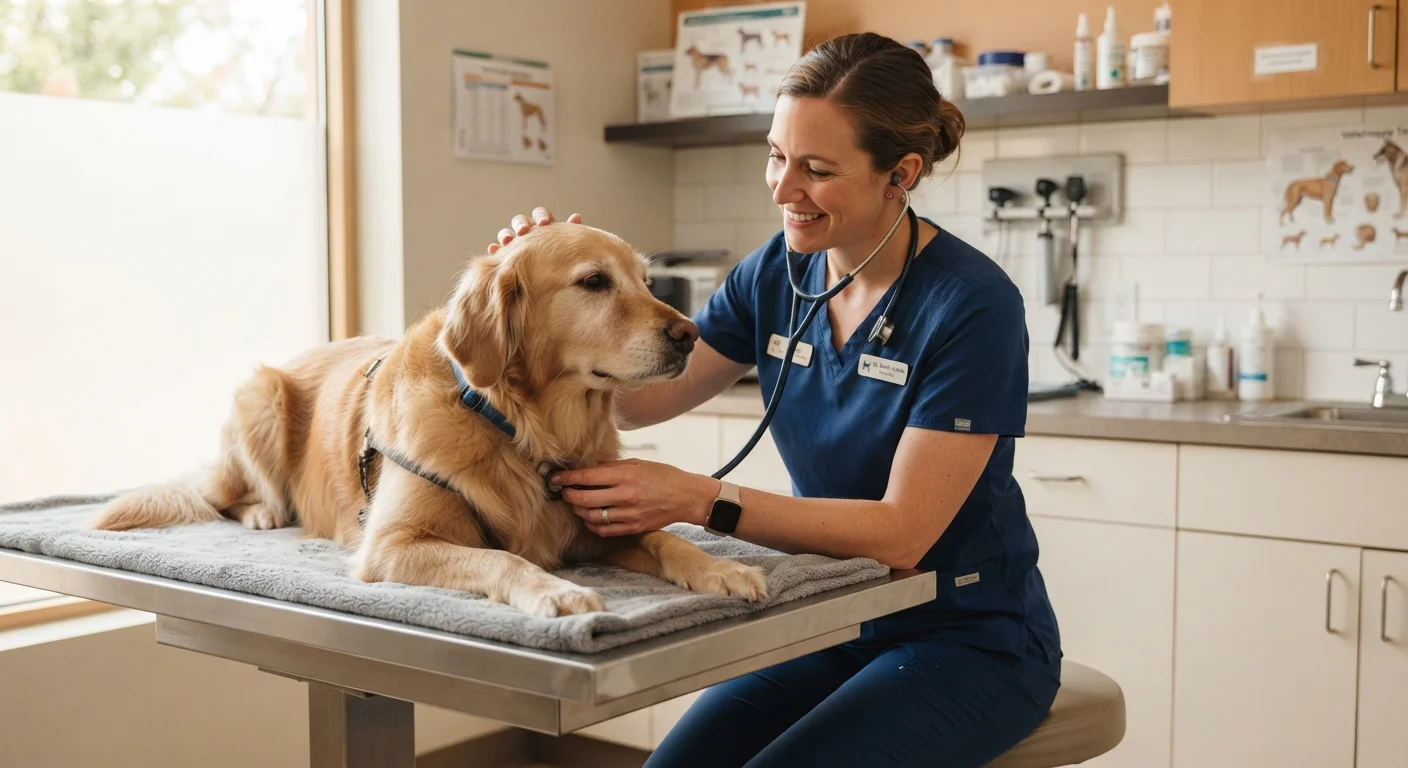
Photo credit: FaqsInsights.com | Stay Informed, Stay Ahead
In this article
From 'dogs heal wounds by licking' to 'indoor cats don't need vet care' — veterinary science debunks the most persistent pet health misconceptions.
Key Takeaways
- A dog's mouth carries bacteria that can cause infection, making licking wounds harmful rather than healing.
- Indoor cats still need annual veterinary exams, parasite prevention, and dental care.
- A wet nose does not reliably indicate health; behavioral and physical changes are far better indicators.
- Cats purr for many reasons including stress and pain - purring alone does not confirm wellbeing.
- Garlic and onions are toxic to both dogs and cats, even in small amounts.
- Senior pets benefit from more frequent vet visits, not fewer, as age-related conditions accelerate.
Why Pet Health Myths Persist - and Why They Matter
Well-meaning pet owners frequently rely on advice passed down from family members, shared across social media, or repeated so often it simply sounds true. The problem is that some of these beliefs directly conflict with what veterinary science has established - and acting on them can delay necessary care or introduce genuine risk to an animal's health.
This article addresses some of the most widely held misconceptions in companion animal care, pairing each one with a clear, evidence-informed correction. For a broader foundation on starting a pet's health journey correctly, see our wellness groundwork guide for new pets.
Myth
Dogs heal wounds by licking them - it's their natural medicine.
Fact
Dog saliva contains bacteria that can infect wounds and significantly slow healing. Licking a wound is harmful, not therapeutic.
The idea that a dog's mouth has healing properties likely stems from observing animals instinctively attending to injuries. However, canine saliva harbors a variety of bacterial species. Repeated licking also physically traumatizes tissue, preventing proper skin closure. Veterinarians typically recommend an e-collar (cone) to stop licking and may prescribe topical or oral antibiotics depending on the wound's severity.
Myth
Indoor cats don't need regular vet visits because they're not exposed to the outside world.
Fact
Indoor cats still develop dental disease, obesity, kidney disease, hyperthyroidism, and other conditions that require professional detection and management.
Many of the most common feline illnesses are unrelated to outdoor exposure. Periodontal disease affects the majority of cats over age three. Hyperthyroidism and chronic kidney disease are widespread in middle-aged to senior cats. Annual exams allow veterinarians to catch these conditions early, when intervention is most effective. For a nuanced look at indoor versus outdoor considerations, see our article on indoor vs. outdoor cat trade-offs.
Myth
A dry or warm nose means a dog is sick; a cold, wet nose means they're healthy.
Fact
Nose temperature and moisture vary with sleep, activity, and environment - they are not reliable health indicators.
A dog's nose can be dry after waking up, after sun exposure, or in low-humidity conditions without any illness being present. Conversely, a dog with a fever or serious infection may still have a cool, moist nose. Veterinarians assess health through physical examination, not nose feel. Changes in appetite, energy, gum color, breathing, and bathroom habits are far more meaningful signals.
Myth
If a cat is purring, it must be content and feeling fine.
Fact
Cats also purr when stressed, anxious, or in pain - purring is a self-soothing mechanism, not exclusively an expression of happiness.
Research into feline vocalization shows that purring serves multiple functions, including self-regulation during stressful or painful experiences. Cats are known to purr during veterinary examinations, when injured, and in the hours before death. Relying on purring as a wellness signal can cause owners to miss pain or distress. Behavioral context - hiding, changes in posture, reduced grooming, altered eating - provides a more complete picture.
Myth
Garlic is a natural immune booster and safe to add to a dog's food.
Fact
Garlic and all allium vegetables are toxic to dogs and cats and can cause potentially serious red blood cell damage.
Allium species - including garlic, onions, leeks, and chives - contain N-propyl disulfide and related thiosulfate compounds that oxidize hemoglobin in canine and feline red blood cells, triggering hemolytic anemia. The toxic effects are dose-dependent but can occur even with repeated small exposures. Signs of poisoning include lethargy, pale gums, reduced appetite, and reddish urine. There is no established safe supplemental dose for pets; any dietary additions should be discussed with a veterinarian.
Myth
Older pets don't need as many vet visits - they're past the stage where much can be done.
Fact
Senior animals benefit from more frequent veterinary monitoring, not less, because age-related disease progression tends to accelerate.
Veterinary organizations generally recommend twice-yearly wellness exams for dogs and cats considered senior (roughly age seven and older for most breeds). Conditions such as arthritis, cognitive decline, heart disease, and endocrine disorders are more prevalent and progress more rapidly in older animals. Earlier detection directly expands the range of management options available. The idea that age makes intervention futile reflects outdated thinking - modern veterinary medicine offers meaningful quality-of-life support for senior pets across many conditions.
What the Myths Get Dangerously Wrong
Several of the most persistent myths don't just mislead - they create real health hazards. Allowing a dog to lick a wound, for example, is not a neutral act. Canine saliva contains bacteria including Pasteurella and Staphylococcus species that can introduce or worsen infection in broken skin. Veterinarians routinely treat wounds that deteriorated because licking went unchecked.
Household Foods That Are Toxic to Pets
Beyond garlic and onions, several common household foods pose serious risks to dogs and cats, including grapes, raisins, xylitol (an artificial sweetener found in some peanut butters and sugar-free products), chocolate, macadamia nuts, and alcohol. If you suspect your pet has ingested a toxic substance, contact your veterinarian or an animal poison control service immediately. Do not wait for symptoms to appear before seeking guidance.
Similarly, the belief that garlic supports canine immune health - sometimes promoted in natural-pet-care circles - runs directly counter to established veterinary toxicology. Both garlic and onions contain compounds called thiosulfates that damage red blood cells in dogs and cats, causing hemolytic anemia. There is no safe supplemental dose for companion animals. If you are reconsidering your pet's diet based on what you have read online, our article Pet Care Basics hub can help orient you toward reliable guidance.
Pain recognition is another area where myths cause harm. Because dogs and cats evolved to mask vulnerability, owners often interpret a quiet or still animal as a comfortable one. The truth is more nuanced - and learning the behavioral signals that indicate discomfort is a genuinely useful skill. Our piece on recognizing pain in pets explores this in detail.
~80%
Cats with dental disease by age 3
Veterinary dental health surveys consistently find periodontal disease in the majority of cats over three years old, most of whom show no outward signs of discomfort.
2×/year
Recommended vet visits for senior pets
Most veterinary professional organizations advise biannual wellness exams for animals considered senior, to improve early detection of age-related conditions.
Putting Accurate Information to Work
Correcting a misconception is only useful if it changes behavior. The practical upshot of the myths addressed here is consistent: schedule regular veterinary visits regardless of whether your pet seems unwell, keep dental health on your radar (dental disease is far more common than most owners realize), and treat anything you plan to add to your pet's diet or environment with appropriate caution before assuming it is safe.
If you have questions about spaying or neutering and what the health evidence actually shows, our guide to spay and neuter health implications offers a balanced overview. And if training myths are affecting your approach to behavior, common training myths debunked is worth reading alongside this article.
This article is for general informational and educational purposes only. It is not a substitute for professional veterinary advice, diagnosis, or treatment. Always consult a licensed veterinarian regarding your pet's specific health needs.

Author
Pets & Animals Editorial Team
Pets & Animals Editorial Team is the collective byline for our editorial team and contributor network. Articles published under this byline or an editorial pen name are researched, written, and reviewed according to our editorial standards for clarity, consistency, and independence before publication.
View all articles →