
Dental Disease Is the Most Overlooked Threat to Your Pet's Health
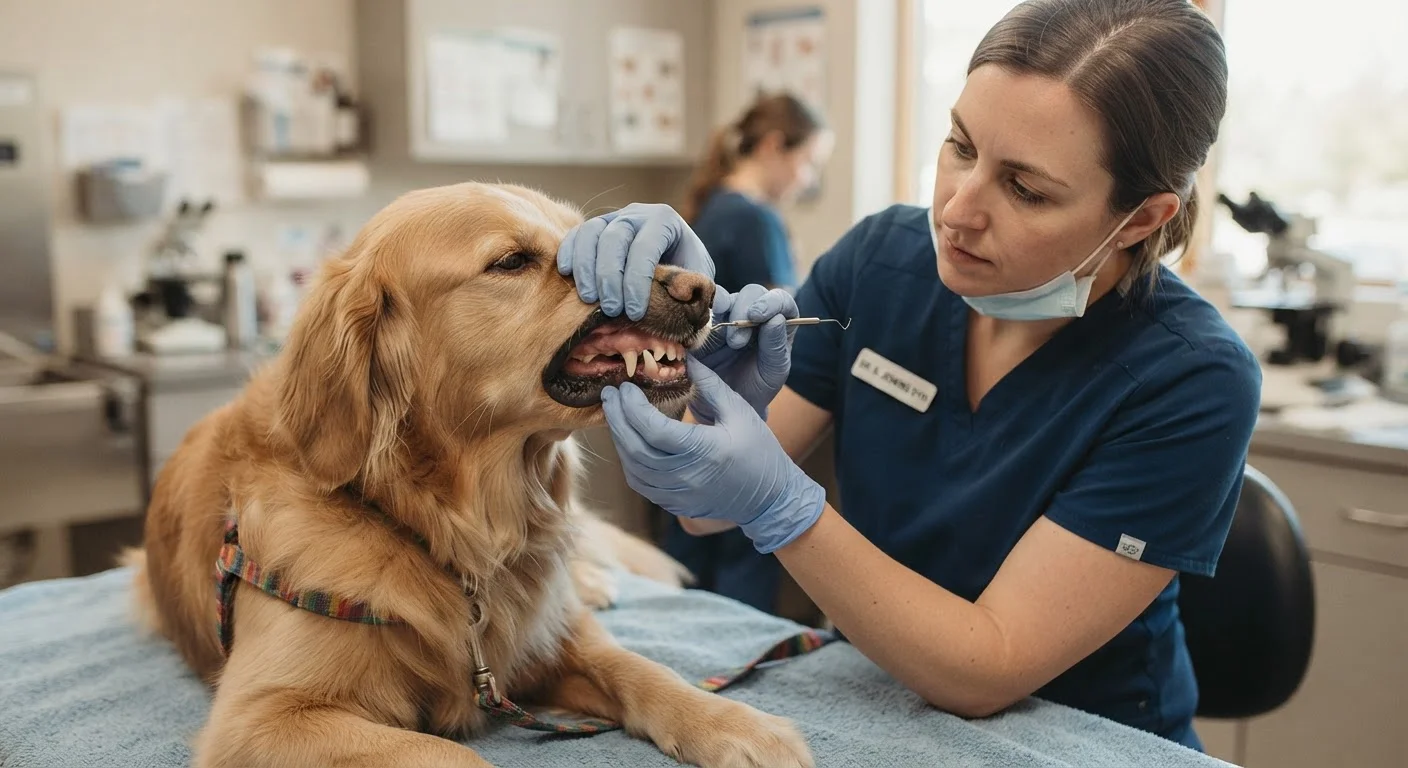
Photo credit: FaqsInsights.com | Stay Informed, Stay Ahead
In this article
Periodontal disease affects most adult dogs and cats, yet it's rarely visible at home. Understand the progression, systemic risks, and role of professional cleanings.
Key Takeaways
- Most dogs and cats show signs of periodontal disease by age three, often without obvious symptoms.
- Dental disease can progress silently and affect the heart, kidneys, and liver if left untreated.
- Home brushing slows plaque buildup but does not replace professional veterinary dental cleanings.
- Bad breath in pets is a clinical sign, not a cosmetic inconvenience - it warrants a vet visit.
- Early intervention is significantly less invasive and less costly than treating advanced dental disease.
Why Pet Dental Disease Goes Undetected for So Long
Periodontal disease - infection and inflammation of the structures that support the teeth - is among the most common conditions diagnosed in adult dogs and cats. Yet most owners have no idea their pet is affected until the disease is well advanced. Unlike a limp or a visible wound, dental disease hides beneath the gum line, progressing through bacterial plaque and tartar accumulation in areas owners simply cannot see.
Pets are also remarkably stoic about oral pain. A dog or cat with significant gum disease will typically continue eating, playing, and behaving normally, giving owners little reason to suspect a problem. This makes routine veterinary dental examinations - not home observation alone - the only reliable way to catch disease in its earlier, more manageable stages.
Understanding the most common mistakes owners make around pet dental health is the first step toward doing better. For a broader look at how oral health myths complicate things further, see Dental Care for Dogs and Cats: Separating Myth from Reality.
~80%
Dogs affected by periodontal disease by age three
The American Veterinary Medical Association notes that periodontal disease is one of the most frequently diagnosed health problems in small animal practice.
70%+
Cats with dental disease by age three
Veterinary dental specialists estimate the majority of cats develop some degree of periodontal disease before middle age, often without behavioral changes owners notice.
Common Mistakes That Allow Dental Disease to Progress
The following errors are understandable - they stem from a lack of clear information, not from neglect. Recognizing them is what makes it possible to change course.
Assuming bad breath is normal in dogs and cats.
Why it happens: Many owners have heard 'dog breath' treated as a joke rather than a symptom, normalizing what is actually a sign of bacterial accumulation or active infection.
Relying on dry kibble or dental chews as a substitute for active dental care.
Why it happens: Marketing for certain pet foods and treats implies a teeth-cleaning benefit, leading owners to believe feeding alone manages oral health adequately.
Skipping tooth brushing because the pet resists it.
Why it happens: Pets that were not gradually introduced to brushing as young animals often object, and owners abandon the habit rather than work through a slow acclimation process.
Delaying professional cleanings because anesthesia feels risky.
Why it happens: Anesthesia anxiety is common among pet owners, and it leads some to postpone recommended dental cleanings indefinitely, particularly in older pets.
Waiting for visible signs - like a broken tooth or stopped eating - before acting.
Why it happens: Because pets mask pain so effectively, owners often interpret normal behavior as an absence of disease, only seeking care when symptoms become impossible to ignore.
Anesthesia-Free Cleanings Are Not a Safe Alternative
Dental scaling performed without anesthesia - sometimes marketed as a stress-free or safer option - removes visible tartar from tooth surfaces but cannot address disease below the gum line, where periodontal damage originates. Major veterinary dental organizations caution that these procedures can provide a false sense of security while leaving active disease untreated. Effective dental evaluation and cleaning requires full anesthesia so the veterinarian can safely examine and treat the entire mouth. Discuss your concerns about anesthesia directly with your veterinarian rather than choosing a procedure that bypasses the problem.
The Systemic Consequences Owners Often Don't Hear About
Dental disease is not confined to the mouth. Chronic oral infections create a persistent reservoir of bacteria that can enter the bloodstream and, over time, place strain on the heart, kidneys, and liver. Veterinary research has explored associations between severe periodontal disease and organ damage, though the precise mechanisms and degree of causation are still being studied. What is well established is that untreated oral infections represent an ongoing inflammatory burden that no pet's body manages without cost.
This is why dental health belongs in the same conversation as weight management, parasite prevention, and hydration. Just as excess weight carries systemic consequences, so does persistent oral disease. And like those other conditions, it is far easier to prevent than to reverse. Speak with your veterinarian about scheduling a dental exam if your pet has not had one recently - this is general wellness information, not a substitute for personalized veterinary guidance.
This article is for general educational purposes only and does not constitute veterinary medical advice. Always consult a licensed veterinarian for guidance specific to your pet's health.

Author
Pets & Animals Editorial Team
Pets & Animals Editorial Team is the collective byline for our editorial team and contributor network. Articles published under this byline or an editorial pen name are researched, written, and reviewed according to our editorial standards for clarity, consistency, and independence before publication.
View all articles →