
Breathing Techniques That Help Calm the Nervous System
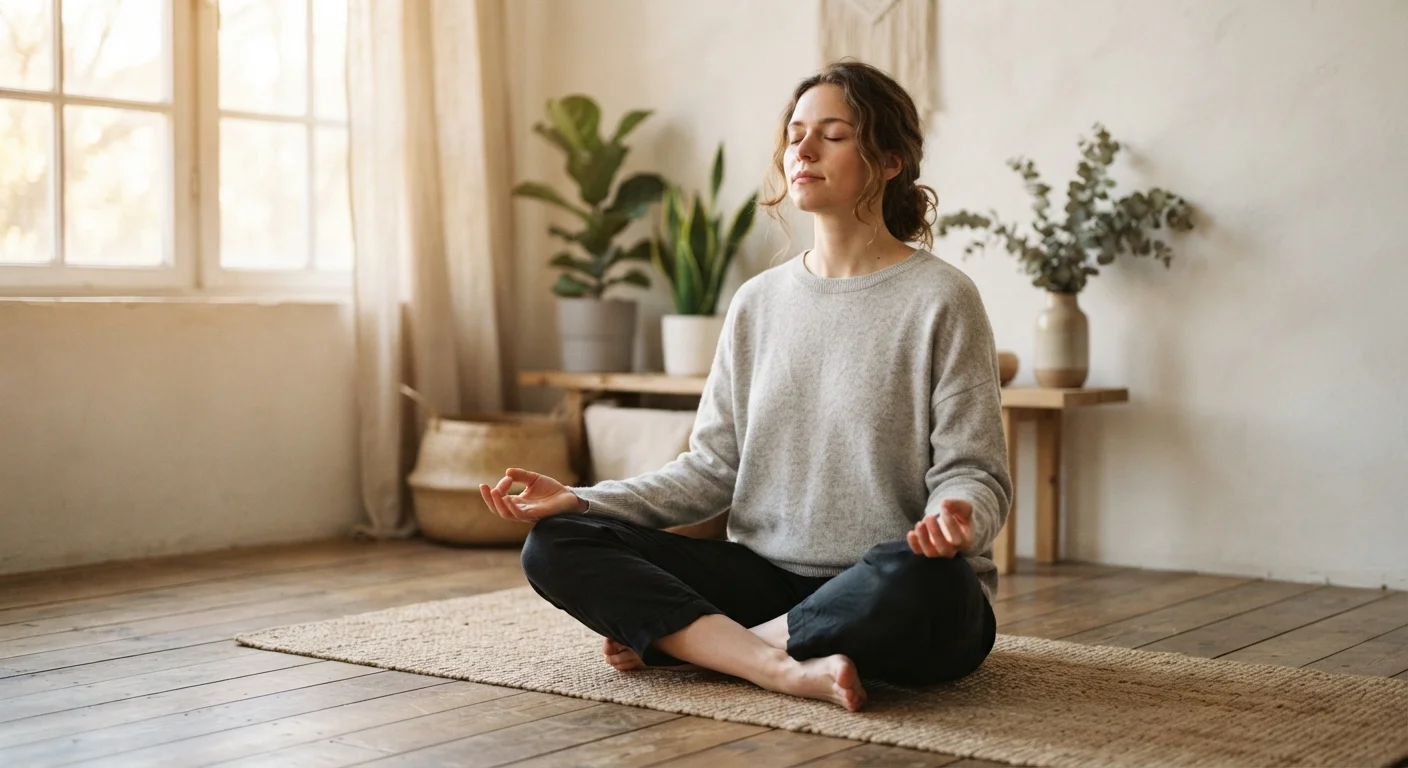
Photo credit: FaqsInsights.com | Stay Informed, Stay Ahead
In this article
Specific breathing patterns can shift your body's stress response. This guide explains several approaches and the physiological reasons they work.
Key Takeaways
- Slow, controlled breathing activates the parasympathetic nervous system, reducing the acute stress response.
- Several distinct techniques - including box breathing and 4-7-8 breathing - have documented calming effects.
- Most techniques require no equipment and can be practiced anywhere, in just a few minutes.
- Consistent daily practice tends to produce stronger, more lasting benefits than occasional use.
- Breathing exercises support general well-being but are not a substitute for professional mental health care.
Why Breathing Affects Your Stress Response
Breathing is one of the few bodily functions that operates both automatically and under conscious control - and that dual nature gives it unusual power as a wellness tool. When you slow your breathing deliberately, you directly influence the autonomic nervous system, the network that governs involuntary functions like heart rate, digestion, and the stress response.
Under stress, the sympathetic branch of the autonomic nervous system triggers the well-known fight-or-flight response: heart rate climbs, muscles tense, and breathing becomes shallow and fast. Deliberate, slow exhalation activates the opposing parasympathetic branch - sometimes called the rest-and-digest system - by stimulating the vagus nerve, a major signaling pathway running from the brainstem through the chest and abdomen. The result is a measurable reduction in heart rate and a shift toward physiological calm.
Research published in journals such as Frontiers in Human Neuroscience supports the idea that slow, rhythmic breathing can reduce self-reported stress and lower physiological markers like cortisol and heart rate variability imbalances. While this is an active area of study and individual responses vary, the underlying mechanism is well-established in physiology.
The Exhale Is the Key
While both inhalation and exhalation have effects, research and clinical practice suggest that lengthening the exhale is particularly effective for activating the parasympathetic nervous system. When trying any technique, prioritize making the out-breath slow and complete rather than focusing on the inhale alone.
What You'll Need Before You Start
One of the genuine advantages of breathing techniques is how little they require. Before practicing any of the exercises below, consider the following:
What you will need
None of these techniques require prior meditation experience or specialized training. However, some people - particularly those with respiratory conditions like asthma or chronic obstructive pulmonary disease (COPD) - may find certain breath-holding exercises uncomfortable. If you have a respiratory, cardiovascular, or anxiety-related condition, consult a qualified healthcare provider before beginning any new breathing practice.
Consult a Professional If You Have Health Conditions
People with asthma, COPD, heart conditions, anxiety disorders, or who are pregnant should speak with a qualified healthcare provider before beginning structured breathing exercises. Some techniques involve breath-holding or changes in carbon dioxide levels that may not be appropriate for all individuals. This content is general information and is not a substitute for personalized medical guidance.
Step-by-Step Breathing Techniques to Try
Each technique below targets the nervous system through slightly different mechanisms. Try one at a time and notice which feels most natural and effective for you.
Box Breathing (4-4-4-4)
Box breathing - also used in clinical stress-management settings and tactical training - uses four equal counts to create a steady, predictable rhythm that anchors attention and slows the breath cycle.
- Sit upright in a chair or on the floor with your spine supported.
- Exhale fully to empty the lungs.
- Inhale slowly through the nose for a count of 4.
- Hold the breath gently for a count of 4.
- Exhale slowly through the mouth for a count of 4.
- Hold empty for a count of 4.
- Repeat for 4-6 cycles.
4-7-8 Breathing
Developed from pranayama (yogic breathing) traditions and popularized by integrative medicine practitioners, the 4-7-8 technique emphasizes an extended exhale and a breath hold to deepen the relaxation effect.
- Place the tip of your tongue against the ridge just behind your upper front teeth and keep it there throughout.
- Exhale completely through your mouth with a soft whoosh sound.
- Close your mouth and inhale quietly through the nose for a count of 4.
- Hold your breath for a count of 7.
- Exhale completely through your mouth for a count of 8.
- This completes one breath cycle. Repeat for 3-4 cycles initially.
Diaphragmatic (Belly) Breathing
Diaphragmatic breathing trains you to engage the diaphragm fully rather than relying on shallow chest breathing, which is the default for many people under chronic stress. It is widely recommended by respiratory therapists and is foundational to most advanced techniques.
- Lie on your back with knees bent and feet flat, or sit comfortably upright.
- Place one hand on your chest and the other on your belly, just below your ribcage.
- Inhale slowly through the nose. Focus on pushing your belly outward so the lower hand rises - the chest hand should remain relatively still.
- Exhale slowly through pursed lips (as if blowing through a straw), feeling your belly fall.
- Practice for 5-10 minutes, aiming for a slow, even rhythm.
Extended Exhale Breathing (1:2 Ratio)
The extended exhale technique is grounded in the understanding that exhalation specifically - more than inhalation - drives parasympathetic activation via the vagus nerve. Doubling your exhale relative to your inhale is a simple, adaptable version of this principle.
- Find a comfortable seated or reclined position.
- Inhale through the nose for a count of 4.
- Exhale slowly and fully through the nose or mouth for a count of 8.
- Repeat for 6-10 cycles without forcing or straining the breath.
If you experience lightheadedness or significant discomfort during any exercise, stop immediately, breathe normally, and rest. Mild tingling during deep breathing is common and usually harmless, but persistent dizziness warrants medical attention.
This article is for general informational and educational purposes only. It is not medical advice. Always consult a qualified healthcare professional for guidance specific to your health situation.
Making Breathing Exercises a Sustainable Habit
Occasional use of these techniques can provide short-term relief during acute stress, but research consistently suggests that regular practice produces more meaningful, durable benefits. Physiological adaptations - such as improved heart rate variability and a lower resting heart rate - tend to develop over weeks of consistent effort, not days.
Consider anchoring a brief breathing practice to an existing routine: a few minutes after waking, before a meal, or as part of a wind-down before sleep. Even five minutes daily is meaningful. Journaling how you feel before and after sessions can help you identify which technique works best for your particular stress patterns.
Stress affects humans and animals alike. If you've noticed behavioral changes in a pet at home, our guide on signs your pet may be stressed explores common triggers and when to seek help - a useful parallel as you build a calmer household environment for everyone in it.
Breathing Exercises Are Not Crisis Intervention
These techniques can be valuable tools for everyday stress management, but they are not appropriate as the sole response to a mental health crisis, panic disorder, or severe anxiety. If you are experiencing frequent panic attacks, persistent anxiety that interferes with daily life, or thoughts of self-harm, please reach out to a qualified mental health professional or contact a crisis helpline.

Author
Health & Wellness Editorial Team
Health & Wellness Editorial Team is the collective byline for our editorial team and contributor network. Articles published under this byline or an editorial pen name are researched, written, and reviewed according to our editorial standards for clarity, consistency, and independence before publication.
View all articles →