
Eating Well on a Budget: Nutrition Principles That Don't Require Premium Ingredients
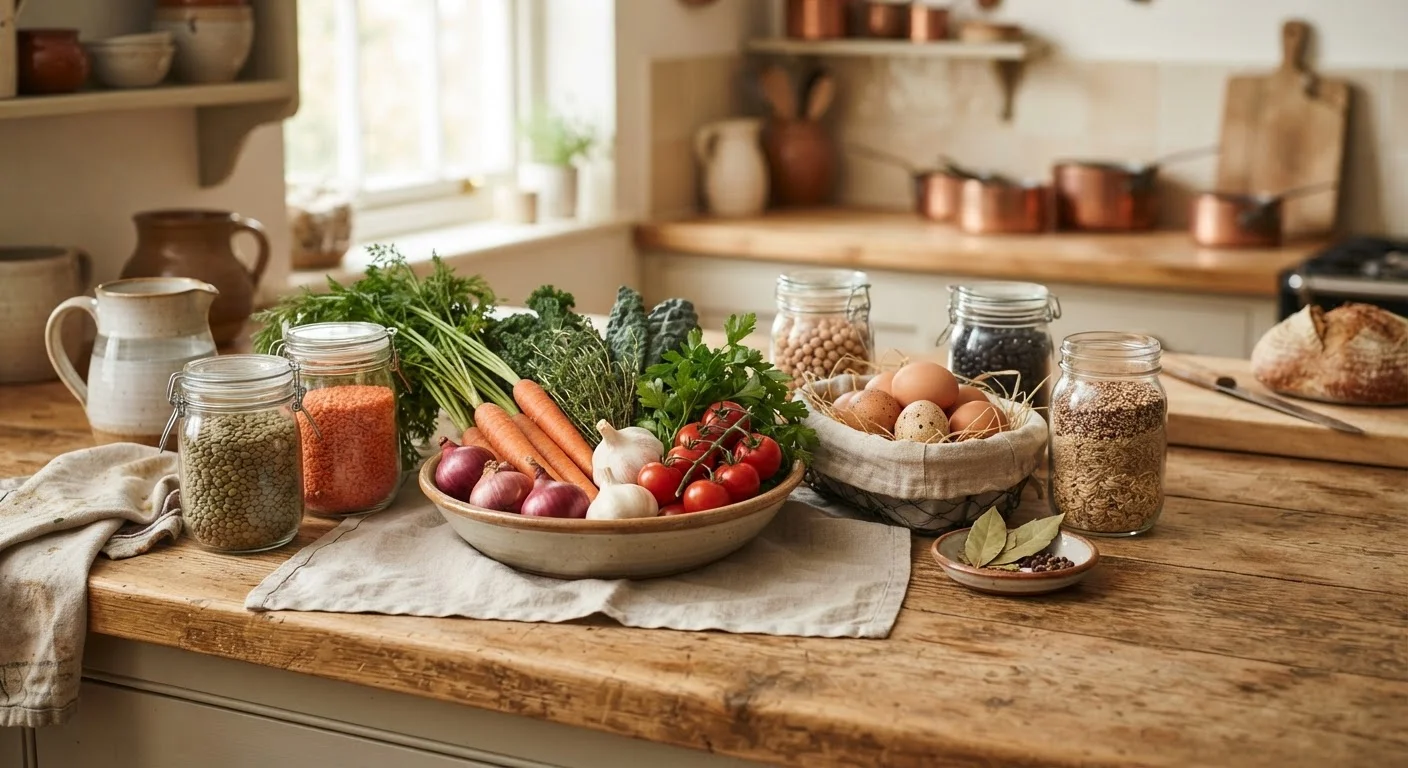
Photo credit: FaqsInsights.com | Stay Informed, Stay Ahead
In this article
Nutrient-dense eating doesn't have to be expensive. Explore practical strategies for getting solid nutrition without a specialty grocery bill.
Key Takeaways
- Nutrient-dense foods like legumes, oats, and frozen vegetables are consistently among the most affordable options available.
- Planning meals around a core set of versatile staples reduces waste and stretches grocery budgets further.
- Whole food protein sources such as eggs, canned fish, and dried beans offer strong nutrition at a low cost.
- Store brands and frozen produce typically match the nutritional value of their premium counterparts.
- Batch cooking and smart storage habits help maintain diet quality without daily shopping or extra spending.
Why Budget Eating and Good Nutrition Aren't in Conflict
A persistent and damaging myth in nutrition culture is that eating well is inherently expensive - that premium ingredients, specialty stores, and trendy superfoods are prerequisites for a healthy diet. The evidence doesn't support this. Some of the most nutrient-dense foods available - lentils, oats, eggs, canned sardines, frozen spinach, sweet potatoes - are also among the cheapest items in any grocery store.
The premium food industry has successfully conflated cost with nutritional quality, but these are separate dimensions. A bag of dried lentils delivers substantial protein, fiber, iron, and folate at a fraction of the cost of a specialty protein supplement. A can of whole tomatoes provides lycopene, vitamin C, and potassium for pennies per serving. The challenge isn't finding nutritious food - it's cutting through marketing noise to recognize what actually delivers value.
Good nutrition at any budget level is primarily about covering core food groups consistently: vegetables and fruits, whole grains, quality protein sources, and healthy fats. None of these categories require premium spending. What they do require is some planning, basic cooking knowledge, and a willingness to look past the packaging.
Watch for Hidden Costs in "Health" Marketing
Products marketed as superfoods, organic, or functional often carry significant price premiums without proportional nutritional advantages over conventional alternatives. Specialty health food stores and trendy diet products are designed to capture premium spending - not to reflect nutritional necessity. Focus on core food groups rather than marketing labels when navigating grocery aisles.
Step-by-Step: Practical Nutrition on a Tight Budget
The steps below outline a practical approach to eating nutritiously on a limited budget. They're designed to be adopted gradually - you don't need to implement everything at once. Start with the steps that feel most applicable to your current habits and build from there.
What you will need
A Weekly Meal Plan Template
Mapping meals in advance helps prevent impulse purchases and ensures nutritional variety across the week.
Grocery List (Written or App-Based)
A structured list keeps shopping focused on planned staples and reduces unplanned spending.
Airtight Food Storage Containers
Proper storage extends the shelf life of batch-cooked grains, beans, and prepped vegetables.
A Basic Kitchen Scale
Helps manage portions accurately when batch cooking to avoid over- or under-estimating servings.
Build your pantry around high-value staples
Start by identifying a core group of foods that deliver strong nutritional value at a consistently low cost. Dried or canned legumes (lentils, black beans, chickpeas), whole grains (oats, brown rice, barley), eggs, canned fish (such as tuna or sardines), and frozen vegetables form the backbone of an affordable, balanced diet.
These foods cover a broad range of essential nutrients - including protein, fiber, complex carbohydrates, healthy fats, and key vitamins - without requiring a trip to a specialty retailer. Stock them gradually over several shopping trips to spread initial cost.
Plan meals weekly before you shop
Meal planning is one of the most effective tools for reducing food spending while maintaining nutritional quality. Before each shopping trip, map out roughly what you intend to eat for each day. This doesn't need to be rigid - build in flexibility by planning for one or two "use what's left" meals at the end of the week.
Planning helps you buy only what you'll use, reduces last-minute takeout spending, and makes it easier to structure balanced meals that include vegetables, a protein source, and a whole grain or starch at each sitting. See our guide to building a balanced plate for a practical framework on structuring nutritious meals.
Choose store brands and frozen options without hesitation
Store-brand versions of staple foods - canned tomatoes, dried pasta, oats, olive oil, frozen vegetables - are typically nutritionally equivalent to their name-brand counterparts. The difference is largely in packaging and marketing spend, not ingredient quality.
Similarly, frozen produce is a nutritional peer of fresh produce in most contexts and is often substantially cheaper, particularly for items like spinach, broccoli, peas, edamame, and mixed berries. Learning to read nutrition labels accurately can help you compare products confidently and avoid paying more for equivalent nutrition.
Prioritize plant-based proteins to reduce costs
Animal proteins - particularly red meat and specialty cuts - tend to be the most expensive items on a grocery list. Shifting even a few meals per week toward plant-based proteins like lentils, tofu, tempeh, beans, or canned fish can meaningfully reduce spending without sacrificing protein intake.
Eggs remain one of the most cost-effective complete protein sources available. Combining plant proteins across a day (for example, grains and legumes) helps cover the full range of essential amino acids. For a deeper look at building protein variety into a diet, our introduction to plant-based eating covers practical starting points.
Batch cook and store strategically
Cooking larger quantities at once - a pot of grains, a tray of roasted vegetables, a batch of beans - dramatically reduces the per-meal time and cost of eating well. Prepped components stored in the refrigerator for 3-5 days can be combined in different ways throughout the week, preventing the monotony that often leads to unplanned spending on convenience foods.
Use airtight containers to preserve quality, label items with the date they were prepared, and freeze portions you won't use within a few days. Batch cooking also reduces energy costs since you're using the stove or oven less frequently overall.
Reduce waste to maximize your food budget
Food waste is a direct financial loss. In the US, households discard a significant portion of the food they purchase - often fresh produce that wasn't used in time. Strategies to reduce this include buying whole vegetables that last longer (carrots, cabbage, beets), using vegetable scraps for homemade stock, repurposing leftovers into new meals, and understanding the difference between "best by" dates and actual spoilage.
If your overall household spending needs a broader framework, our introduction to personal budgeting covers how to build spending limits that hold across all expense categories, including food.
Frozen Produce Is a Nutritional Ally
Frozen vegetables and fruits are typically flash-frozen at peak ripeness, which locks in most of their vitamins and minerals. They often cost significantly less than fresh out-of-season produce and have a much longer shelf life, making them a reliable option for reducing both spending and food waste.
This Is General Information, Not Medical Advice
The guidance in this article is intended for general educational purposes only. Individual nutritional needs vary based on age, health status, activity level, and medical history. If you have specific dietary concerns, a chronic condition, or are managing a health issue through diet, please consult a registered dietitian or qualified healthcare provider before making significant changes to your eating habits.
This article is for general informational and educational purposes only and does not constitute medical or dietary advice. Individual nutritional needs vary. Consult a registered dietitian or qualified healthcare professional for guidance tailored to your specific circumstances.

Author
Health & Wellness Editorial Team
Health & Wellness Editorial Team is the collective byline for our editorial team and contributor network. Articles published under this byline or an editorial pen name are researched, written, and reviewed according to our editorial standards for clarity, consistency, and independence before publication.
View all articles →