
The Hidden Costs of a Kitchen Renovation That Budgets Often Miss
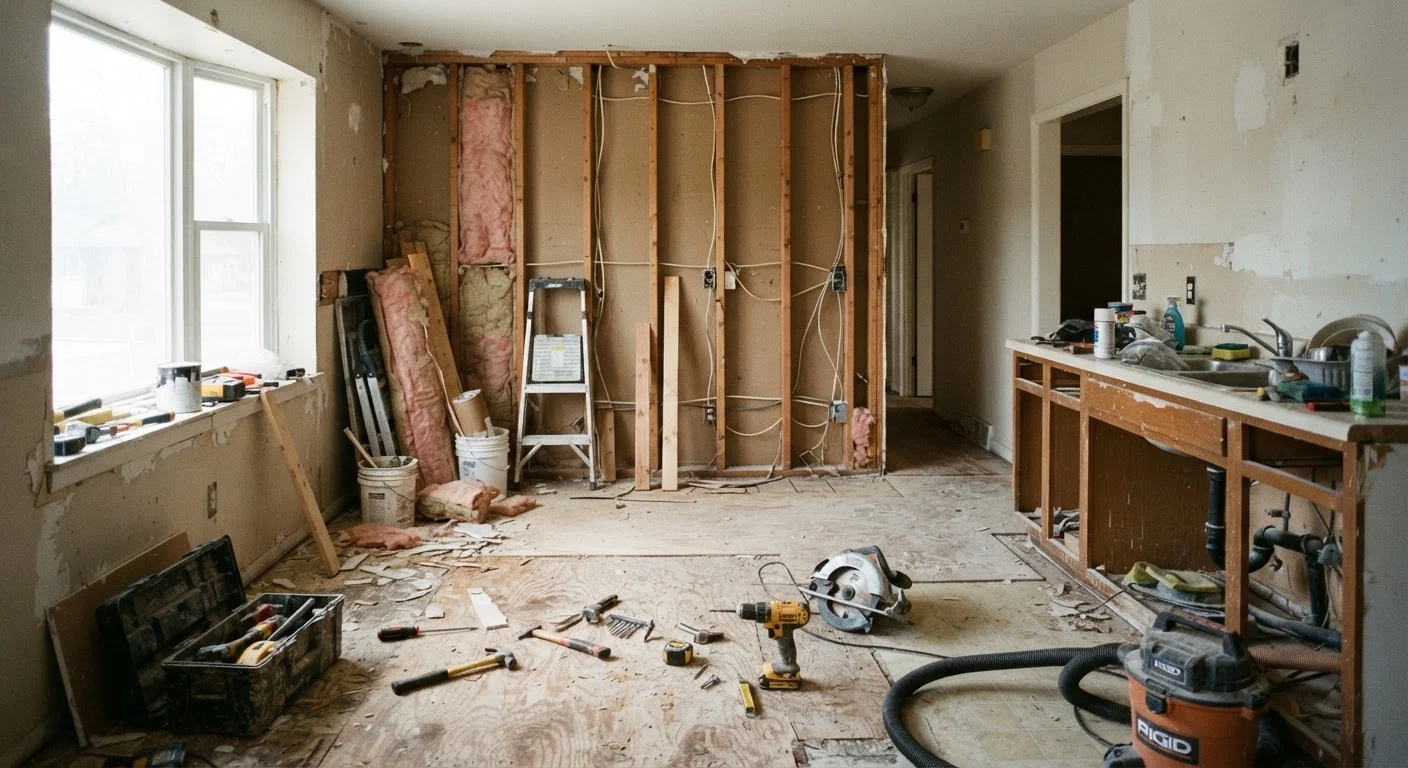
Photo credit: FaqsInsights.com | Stay Informed, Stay Ahead
In this article
Permit fees, structural surprises, and temporary kitchen setup costs catch many homeowners off guard. Here's what experienced remodelers factor in from the start.
Key Takeaways
- Permit fees, structural discoveries, and disposal costs are routinely left out of initial kitchen budgets.
- A contingency fund of 15-20% of your total budget is a widely recommended planning buffer.
- Temporary kitchen setup and extended project timelines create real out-of-pocket living costs.
- Decisions made after demolition - like relocating plumbing - can multiply costs significantly.
- Understanding hidden costs upfront helps you negotiate contracts and avoid mid-project surprises.
Why Kitchen Budgets Fall Short Before Work Even Begins
Most kitchen renovation budgets are built around the visible: cabinets, countertops, appliances, and labor. What consistently trips up homeowners are the costs that live outside that core list - fees, logistics, and the unknown conditions hiding behind finished surfaces.
This isn't a matter of carelessness. Quotes from contractors and showrooms naturally focus on the scope they can see and price. It falls to the homeowner to build a complete financial picture before the first cabinet comes off the wall. The mistakes below reflect where that picture most often has gaps.
Omitting permit fees and inspection costs from the project budget.
Why it happens: Homeowners focus on materials and labor quotes, treating permits as an administrative afterthought rather than a line item with real cost.
Failing to budget for demolition debris removal and disposal.
Why it happens: Demo feels like a cost-free phase since it involves tearing things out rather than buying materials, so hauling and tipping fees get overlooked.
Underestimating the cost of a temporary kitchen setup during the renovation.
Why it happens: Homeowners assume they'll manage on takeout or a microwave for a few weeks, without calculating the actual daily cost or accounting for timeline overruns.
Not accounting for what happens when structural or mechanical surprises are discovered behind walls.
Why it happens: Budget estimates are built on visible conditions, so issues like outdated wiring, subfloor rot, or mold behind cabinets aren't priced in - even though they're common.
Making scope changes mid-project without understanding the cost multiplier effect.
Why it happens: Once walls are open, moving a sink or adding an island feels easy - but changing plans mid-construction requires rescheduling trades and rerouting plumbing or electrical runs.
Planning Ahead to Protect Your Budget
The homeowners who navigate kitchen renovations most successfully aren't those with the largest budgets - they're the ones who planned for the full picture. That means vetting contractors with the right questions before signing anything (see our contractor vetting checklist), understanding how renovation projects are typically financed (our overview of financing options covers the main approaches), and being honest about which tasks are DIY-appropriate versus which require licensed trades (see DIY vs. licensed trade guidance).
Never Skip the Contingency Fund
Industry professionals consistently recommend setting aside 15-20% of your total kitchen renovation budget for unexpected costs. Behind walls and under floors, conditions are often worse than they appear - and discoveries like water damage, outdated wiring, or inadequate ventilation aren't rare. Skipping this buffer doesn't reduce cost; it shifts the risk entirely onto you when something surfaces mid-project.
A kitchen remodel is one of the most disruptive and expensive projects a homeowner can undertake. Going in with realistic numbers - including the costs most budgets miss - is the most effective protection against mid-project financial stress and unfinished work.
Permit Skipping Has Serious Consequences
Completing kitchen work without required permits can result in fines, mandatory rework, and serious complications when you sell your home. Lenders and buyers routinely request permit histories, and unpermitted work may need to be demolished or brought up to current code at your expense. Always verify your local permit requirements before work begins - see our guide to permit requirements for a general overview of how the process works.

Author
Home & Garden Editorial Team
Home & Garden Editorial Team is the collective byline for our editorial team and contributor network. Articles published under this byline or an editorial pen name are researched, written, and reviewed according to our editorial standards for clarity, consistency, and independence before publication.
View all articles →