
Credit Score Ranges Decoded: What Each Tier Means for Borrowers
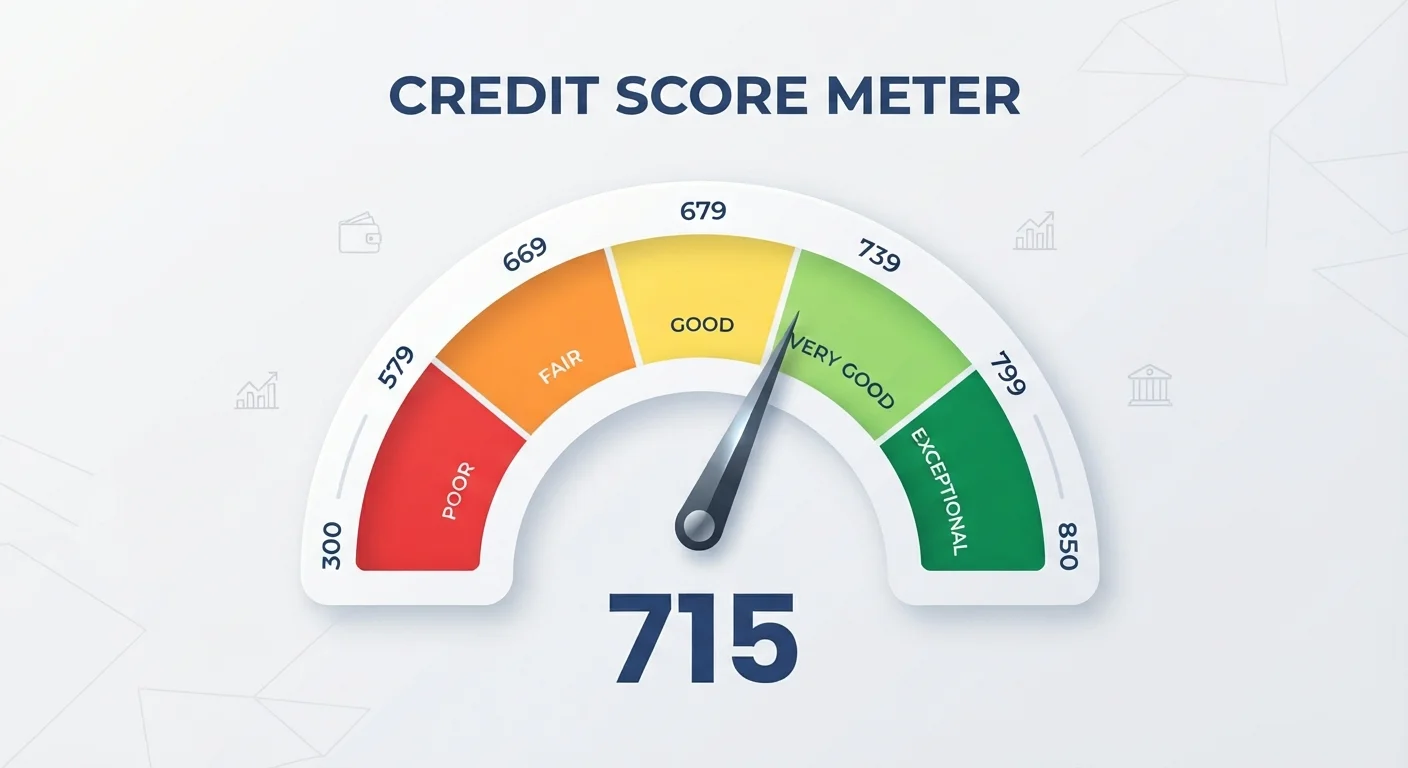
Photo credit: FaqsInsights.com | Stay Informed, Stay Ahead
In this article
From poor to exceptional — understand what credit score ranges signal to lenders and how they affect loan terms.
How Credit Score Ranges Are Structured
Credit scores in the United States most commonly follow the FICO® scoring model, which runs from 300 to 850. While different lenders and scoring models may use slightly different thresholds, the industry broadly recognizes five tiers. Understanding where your score lands - and what that tier communicates to lenders - is the foundation of informed borrowing.
It's worth noting that FICO is not the only model in use. VantageScore, developed jointly by the three major credit bureaus (Equifax, Experian, and TransUnion), uses the same 300-850 range but applies somewhat different weighting to the factors it evaluates. The tier labels below align with widely referenced FICO benchmarks.
This article is for general informational purposes only and does not constitute personalized financial or credit advice. Consult a qualified financial professional for guidance specific to your situation.
The Five Tiers and What They Mean
Poor (300-579)
Scores in this range signal significant risk to lenders. Borrowers here may find it difficult to qualify for standard credit products. When approval is granted, it typically comes with high interest rates, low credit limits, and may require a security deposit - as is common with secured credit products. This tier often reflects missed payments, collections, or very limited credit history.
Fair (580-669)
Sometimes called "subprime," this range indicates a borrower with some negative history or thin credit profile. Approval odds improve, but terms remain less favorable than average. Lenders view this tier as elevated risk and price their products accordingly through higher annual percentage rates (APRs).
Good (670-739)
This is the threshold where borrowers begin accessing near-standard terms. Most lenders consider scores in this band acceptable, and approval rates increase meaningfully. Interest rates become more competitive, though they may not reflect the most favorable offers available.
Very Good (740-799)
Borrowers in this range are generally considered low-risk. They tend to qualify for competitive rates on mortgages, auto loans, and credit cards. Lenders often extend higher credit limits and broader product access at this level.
Exceptional (800-850)
The top tier signals a long track record of responsible credit management. Borrowers here typically receive the most favorable rates and terms available. That said, the practical difference between 800 and 850 is often minimal - once you reach this band, incremental gains rarely translate to meaningfully better loan terms.
Why Tiers Matter Beyond Approval
Lenders don't just use your score to decide whether to approve an application - they use it to set the price of credit. Even a modest score difference can affect the interest rate on a 30-year mortgage by a meaningful percentage point, which compounds into thousands of dollars over the life of a loan. This relationship between score and cost is why building credit methodically pays off in tangible, financial terms.
Your credit score is also only part of the picture. Lenders simultaneously evaluate your debt-to-income ratio, employment history, and the type of credit being requested. A high score won't automatically overcome an unfavorable DTI, and vice versa. If you're preparing to apply, reviewing the credit readiness checklist can help you assess all the variables lenders weigh.
One commonly underestimated factor inside the score itself is credit utilization - the share of your available revolving credit you're currently using. Keeping this figure low is one of the more direct levers borrowers can pull to improve their tier standing.

Author
Money & Finance Editorial Team
Money & Finance Editorial Team is the collective byline for our editorial team and contributor network. Articles published under this byline or an editorial pen name are researched, written, and reviewed according to our editorial standards for clarity, consistency, and independence before publication.
View all articles →