
Compound Interest Isn't Magic-But Here's Why It's So Powerful
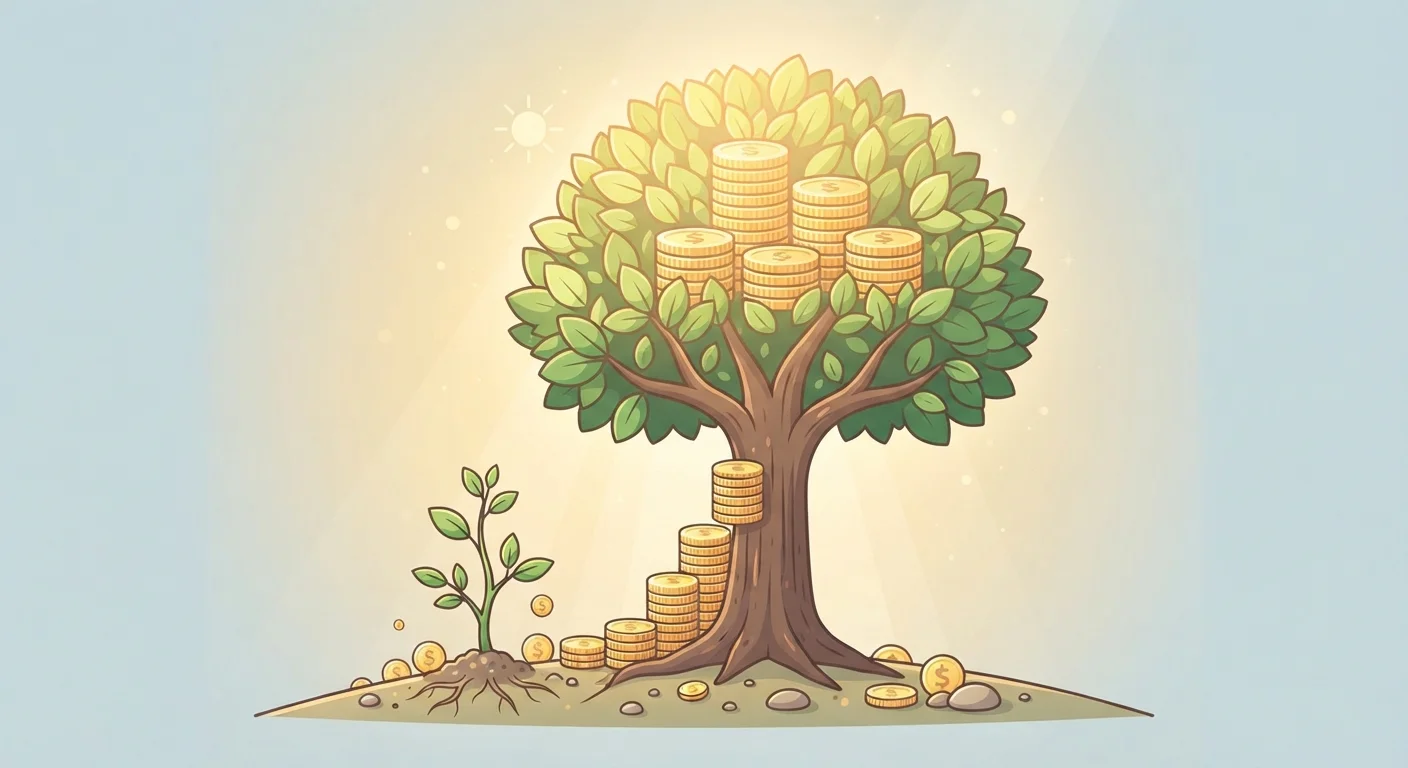
Photo credit: FaqsInsights.com | Stay Informed, Stay Ahead
In this article
A plain-language breakdown of how compound interest works, why time matters so much, and what it means for your savings and investments.
Key Takeaways
- Compound interest grows your balance faster than simple interest because earnings are reinvested automatically.
- Time is the single most powerful variable - starting earlier has a dramatically larger impact than contributing more later.
- Compound interest works against you in debt, making high-interest balances grow rapidly if left unpaid.
- The compounding frequency (daily vs. monthly vs. annually) affects your actual return, reflected in the APY.
- Consistent contributions amplify the compounding effect significantly over long periods.
The Core Idea: Interest on Interest
Most people learn about interest in a straightforward way: deposit money, earn a percentage. But simple interest only applies that percentage to your starting amount. Compound interest goes further - each time interest is added to your account, it becomes part of the base on which future interest is calculated.
Consider a basic illustration. If you deposit $1,000 at a 5% annual rate with simple interest, you earn $50 every year - no more, no less. With compound interest at the same rate, you earn $50 in year one, but in year two, you earn 5% on $1,050, giving you $52.50. Small difference early on, but the gap widens considerably over decades.
This is why compound interest is described as "interest on interest" - and why financial educators often emphasize that the math, while not magic, does produce results that feel counterintuitive when you watch them play out over time.
Compounding Periods Vary by Account
The frequency at which interest compounds - daily, monthly, or annually - is set by the financial institution and account type. Always review the APY (Annual Percentage Yield) disclosed for any account, as this figure reflects the true annual return after compounding is factored in, making it the most accurate basis for comparison.
Why Time Is the Most Important Variable
The compounding formula has several inputs - principal, rate, and frequency - but time is the dominant factor by a wide margin. The longer money compounds, the more pronounced the acceleration becomes.
This creates a meaningful difference between someone who begins saving at 25 versus someone who waits until 35, even if both contribute the same total dollar amount. The earlier saver benefits from an additional decade of compounding, which - depending on the rate and contribution pattern - can result in a substantially larger balance by retirement. This concept is sometimes called the "cost of waiting."
For those building toward long-term goals, accounts that put compounding to work immediately - such as those covered in our guide to high-yield savings accounts - are worth understanding before you choose where to park your money.
Start Small, But Start Now
You don't need a large sum to benefit from compound interest. Even a small, consistent monthly contribution to a savings account or retirement fund begins the compounding process immediately. Waiting for the 'right amount' costs you compounding time that cannot be recovered later.
Compounding Frequency and APY
Not all compound interest is structured the same way. Compounding frequency - how often earned interest is added back to your balance - affects how much you actually receive relative to the stated rate.
A savings account with a 5% annual rate that compounds daily will produce slightly more than one that compounds annually at the same rate. This is why financial institutions typically disclose APY (Annual Percentage Yield) alongside APR. APY accounts for compounding frequency and gives you a true apples-to-apples comparison across accounts.
When comparing savings vehicles, whether a traditional savings account, a high-yield account, or a certificate of deposit, APY is the number that reflects what you'll actually earn. Our comparison of CDs and high-yield savings accounts walks through how these differences play out across different time horizons.
The Other Side: Compound Interest and Debt
Compound interest is a tool - and like any tool, it can work for you or against you depending on how it's applied. When you carry a balance on a high-interest credit card, the lender applies compound interest to what you owe. Unpaid interest is folded into your principal, and the next interest charge is calculated on that higher amount.
This is how a manageable balance can become a serious financial burden over months and years without significant payments. The same mathematical force that grows savings efficiently can accelerate debt in the opposite direction.
Paying more than the minimum payment, or targeting high-interest debt first, directly interrupts this cycle. Understanding how compound interest operates is part of building a complete financial picture - including how your credit utilization ratio interacts with overall debt management.
Making Compound Interest Work Consistently
Compound interest requires consistent inputs to reach its potential. Sporadic, irregular contributions limit what compounding can do. Regular deposits - even modest ones - keep your principal growing, which gives compounding more to work with each period.
Automating transfers to a savings or investment account is one of the most reliable ways to maintain consistency without relying on ongoing willpower. Our guide to setting up automatic savings outlines how to structure this practically.
Rule of 72
Estimated years to double your money
Divide 72 by your annual interest rate to estimate how long it takes your balance to double - a widely used mental shortcut in personal finance education.
Daily
Most common compounding frequency for savings accounts
Many U.S. savings accounts compound interest daily, meaning your balance - and the base for future interest calculations - increases every day funds remain deposited.
10 years
Approximate gap cost between starting early vs. late
Financial educators consistently highlight that a decade's head start in saving or investing can have a larger impact on final balances than increasing contribution amounts later in life.
The key takeaway is simple: compound interest rewards patience and regularity. It doesn't require a large starting balance or a high income - it requires time and consistency above all else. Starting with what you have now will always outperform waiting for a better moment to begin.
This article is for general informational and educational purposes only and does not constitute personalized financial, investment, or tax advice. Consult a qualified financial professional before making decisions about your specific financial situation.
Frequently Asked Questions

Author
Money & Finance Editorial Team
Money & Finance Editorial Team is the collective byline for our editorial team and contributor network. Articles published under this byline or an editorial pen name are researched, written, and reviewed according to our editorial standards for clarity, consistency, and independence before publication.
View all articles →