
The Complete Picture on Socializing a Puppy
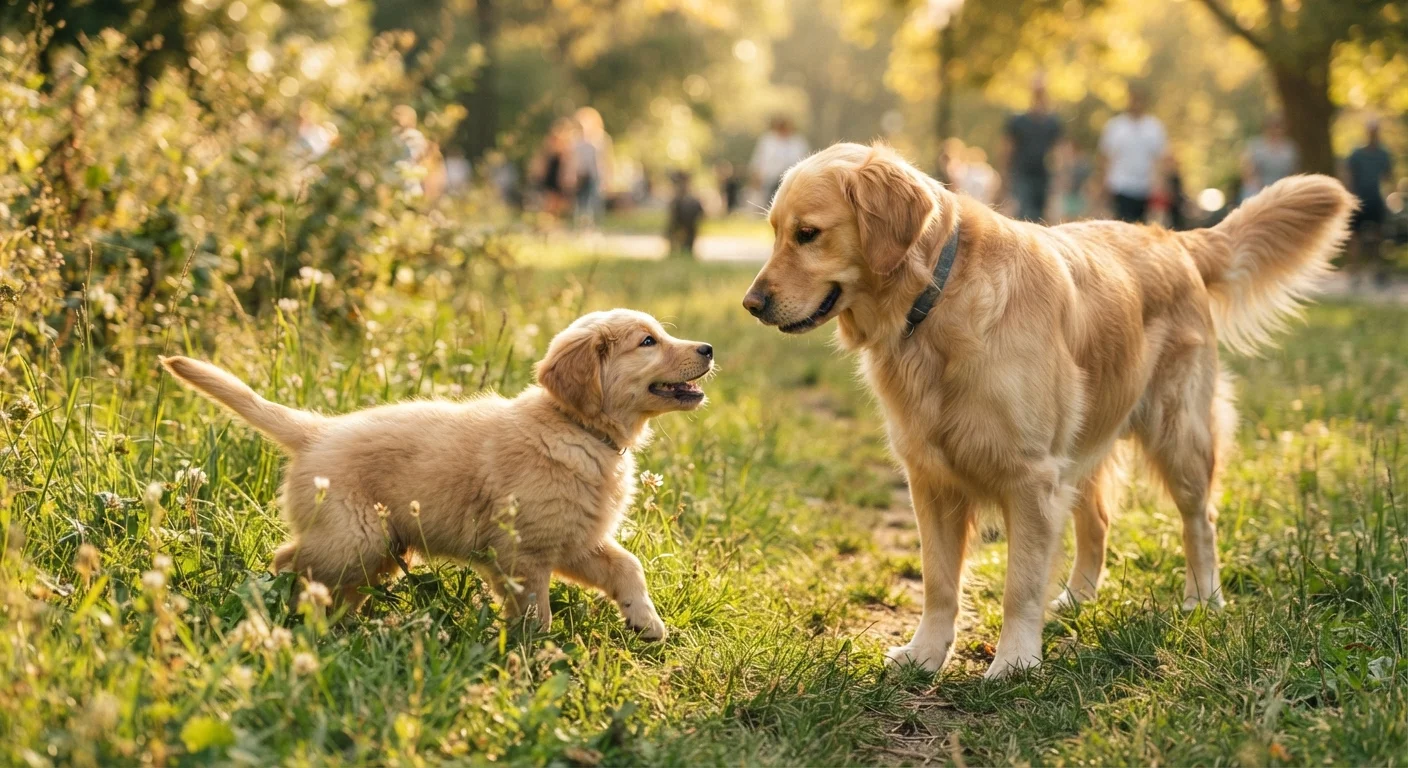
Photo credit: FaqsInsights.com | Stay Informed, Stay Ahead
In this article
Socialization is one of the most critical windows in a puppy's development. This end-to-end guide covers what to expose them to, when, and how.
Key Takeaways
- The critical socialization window runs roughly from 3 to 14 weeks of age.
- Positive, low-pressure exposures are more effective than flooding a puppy with stimulation.
- Socialization covers people, animals, environments, sounds, and handling - not just other dogs.
- Unvaccinated puppies can socialize safely with careful venue and contact selection.
- Socialization should continue throughout adolescence, not stop after the puppy phase.
Why the Socialization Window Matters
Between approximately 3 and 14 weeks of age, a puppy's brain is primed to accept new experiences as normal. Neuroscientists refer to this as the sensitive period for socialization - a developmental phase during which novel stimuli are processed with relatively little fear. After the window closes, the same experiences can trigger anxiety or defensive behavior that is far harder to address.
This isn't simply about friendliness. Well-socialized dogs are less reactive to strangers, more resilient during vet visits, and better equipped to handle everyday environments like traffic, crowds, and household noises. Inadequate socialization is consistently cited by veterinary behaviorists as a leading contributor to fear-based aggression and anxiety disorders in adult dogs.
3-14 weeks
Critical socialization window in puppies
Veterinary behaviorists widely recognize this period as the most influential for long-term temperament development.
~70%
Of behavior problems linked to inadequate socialization
Veterinary behaviorists consistently identify under-socialization as among the most common roots of fear-based behavior issues in adult dogs.
If you've just brought a puppy home, this period overlaps directly with your first few weeks of ownership. The New Pet Owner Essentials guide covers the full scope of that first month, including vet visits and behavioral baselines that support effective socialization.
What to Socialize Your Puppy To
Many owners interpret socialization narrowly - letting a puppy meet a few dogs and calling it done. In practice, a thorough socialization checklist spans five categories:
- People: Adults, children, seniors, people wearing hats or uniforms, people using mobility aids, people of varying appearances and voices.
- Animals: Friendly adult dogs with known vaccination status, cats if applicable, and livestock if your environment includes them.
- Environments: Hardwood floors, gravel, stairs, elevators, car rides, outdoor markets, pet-friendly stores.
- Sounds: Thunderstorms, vacuum cleaners, doorbells, traffic, crowds, and fireworks (via recorded playback at low volume).
- Handling: Ear cleaning, paw touching, nail trims, being lifted, and mouth inspection - all mimicking routine veterinary and grooming contact.
The goal is breadth. A puppy who has experienced dozens of novel but positive contexts will generalize more easily to new ones as an adult.
Create a written socialization checklist and track each exposure with a simple 1-3 rating for your puppy's comfort level. This reveals gaps and prevents you from over-repeating easy wins while avoiding harder ones.
Structured tracking ensures systematic breadth. Most owners inadvertently repeat exposures their puppy already handles well, missing the categories - like handling or loud sounds - where the puppy actually needs more practice.
Introduce sound desensitization through recorded audio played at very low volume during mealtimes, then gradually increase volume across multiple sessions over days or weeks.
Pairing a neutral or positive context (eating) with a mildly novel sound leverages classical conditioning, building positive or neutral associations before the dog encounters the real-world version at full intensity.
Reward-Based Techniques That Actually Work
Socialization is not passive exposure - it requires pairing each new experience with something the puppy values. High-value treats, calm praise, or brief play are all effective reinforcers. The key principle is keep the puppy below threshold: if your puppy is trembling, hiding, or refusing food, the stimulus is too intense. Increase distance, reduce volume, or remove the puppy from the situation and try again at a lower intensity.
A practical framework used by many trainers follows three steps:
- Introduce at a distance. Let the puppy observe the stimulus - a busy street, a stranger, an unfamiliar dog - from far enough away that they remain calm and curious.
- Mark and reward calm behavior. The moment the puppy looks at the stimulus without reacting fearfully, mark with a clicker or a calm "yes" and offer a treat.
- Reduce distance gradually. Only decrease distance as the puppy consistently shows relaxed body language: loose posture, soft eyes, willingness to eat.
Treats Must Be Small and Soft
During socialization sessions, use pea-sized, soft treats that a puppy can swallow in under a second. Large or hard treats interrupt attention and slow the feedback loop between behavior and reward. A rapid reward cadence keeps the puppy engaged and the association clear.
This approach aligns with the core principles described in our Pet Training From Day One guide, which covers humane training fundamentals for new owners.
Managing Risk Before Full Vaccination
One of the most common barriers to early socialization is incomplete vaccination. Puppies typically complete their primary series around 16 weeks, creating an apparent conflict with the socialization window that closes around the same time.
Veterinary behaviorists, including those affiliated with the American Veterinary Society of Animal Behavior (AVSAB), have stated in published position papers that the behavioral risks of under-socialization can outweigh the infectious disease risks of careful, selective exposure - provided certain precautions are taken.
Consult Your Veterinarian Before Socialization Outings
Every puppy's vaccination status and local disease prevalence differ. Before taking your puppy to socialization classes or public spaces, discuss the specific risks and timing with your veterinarian. Their guidance should take precedence over any general recommendation.
Practical risk-reduction strategies include:
- Attending puppy classes held on clean indoor surfaces with veterinarian-confirmed vaccination requirements for all attendees.
- Visiting the homes of vaccinated, healthy adult dogs rather than high-traffic public areas like dog parks.
- Carrying the puppy in areas where ground contact with unknown dogs is unavoidable.
- Avoiding areas frequented by unvaccinated or unknown dogs until the primary series is complete.
Common Socialization Mistakes to Avoid
Even well-intentioned socialization can backfire. Watch for these patterns:
- Flooding
- Forcing a puppy into an overwhelming situation - a loud dog park, a crowded children's birthday party - with no way to retreat. This can sensitize rather than desensitize, creating lasting fear associations.
- Reassuring fear with excessive comfort
- Picking up a frightened puppy and cooing "it's okay" can inadvertently reinforce fearful behavior. Instead, remain calm and matter-of-fact, and redirect the puppy's attention to something positive.
- Stopping after the puppy phase
- Adolescence (roughly 6-18 months depending on breed) often brings a secondary fear period. Owners who stop socializing after 14 weeks may see previously confident dogs regress.
- Neglecting handling
- Many dogs that are comfortable with strangers still panic during vet exams because body handling was never practiced systematically at home.
Avoid Punishment During Socialization
Scolding or physically correcting a puppy for fearful behavior - growling, backing away, or barking - during socialization can worsen anxiety and undermine trust. Fear responses are not defiance; they are communication. Respond with calm redirection and a reduction in stimulus intensity instead.
Building Confidence Beyond the Window
Socialization doesn't end at 14 weeks - it evolves into an ongoing practice of enrichment and exposure throughout your dog's life. Dogs that experience a wide variety of positive situations regularly are less likely to become reactive or anxious as their nervous systems mature.
Incorporating socialization into a structured daily routine makes it sustainable. Our Daily Routine Every Dog Owner Should Know article explains how consistent scheduling supports behavioral health alongside physical wellbeing.
For puppies who show persistent fearfulness despite careful socialization, consultation with a veterinary behaviorist or certified applied animal behaviorist is advisable. Fear that doesn't improve with patient, positive exposure may have a biological component requiring professional evaluation.
“The behaviors we see in adult dogs are largely shaped by what they experienced - or didn't experience - in those first critical weeks. No amount of training in adulthood fully compensates for a missing socialization foundation.”
— Ian Dunbar, Veterinarian and animal behaviorist, founder of the Association of Professional Dog Trainers
This article is for general informational and educational purposes only and does not constitute veterinary or behavioral advice. Always consult a licensed veterinarian or qualified animal behaviorist for guidance specific to your dog's health and temperament.

Author
Pets & Animals Editorial Team
Pets & Animals Editorial Team is the collective byline for our editorial team and contributor network. Articles published under this byline or an editorial pen name are researched, written, and reviewed according to our editorial standards for clarity, consistency, and independence before publication.
View all articles →