
Japan Beyond Tokyo: What the Country's Regional Cities Actually Offer
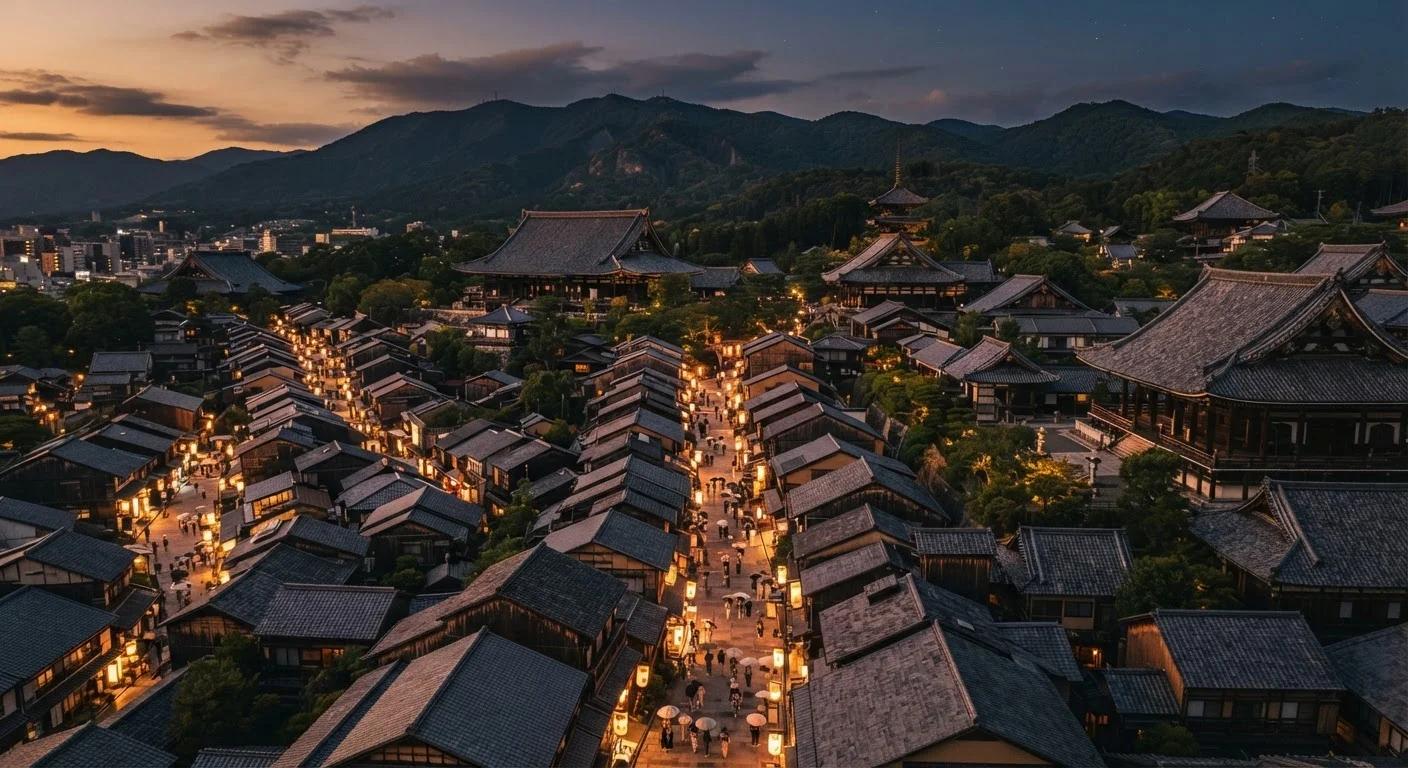
Photo credit: FaqsInsights.com | Stay Informed, Stay Ahead
In this article
From Kanazawa's craft culture to Fukuoka's street food scene, discover what Japan's lesser-visited cities reveal about the country.
Key Takeaways
- Japan's regional cities offer distinct cultures, cuisines, and architecture far removed from Tokyo's pace.
- Cities like Kanazawa, Fukuoka, and Hiroshima each carry a unique historical and creative identity.
- Traveling beyond Tokyo often means fewer crowds, lower costs, and more genuine local interactions.
- The Shinkansen bullet train network makes regional exploration surprisingly fast and straightforward.
- Each city on this list is accessible as a standalone destination or as part of a broader Japan itinerary.
Why Regional Japan Deserves More Than a Day Trip
For many first-time visitors to Japan, Tokyo absorbs nearly every available day - and it's easy to understand why. The city is extraordinary. But Japan's regional cities aren't simply smaller versions of the capital; they're distinct worlds shaped by different feudal histories, geographic conditions, and cultural priorities. Traveling even a few hours by Shinkansen can feel like arriving in an entirely different country.
Whether you're drawn to craft traditions, ancient castle towns, island warmth, or local food cultures that predate modern tourism, Japan's regional destinations reward travelers who make the detour. The cities below aren't hidden secrets - they're well-established, well-connected, and genuinely unmissable.
Use the JR Pass Strategically
A Japan Rail Pass can make regional travel significantly more economical, particularly if you plan to visit multiple cities across different parts of the country. Research pass options and regional variants before your trip - some routes and train types have specific eligibility rules. Purchasing in advance through authorized channels outside Japan is typically required.
Kanazawa - Japan's Craft Capital
Often called the "little Kyoto" of the Japan Sea coast, Kanazawa avoided World War II bombing and emerged with its historic districts largely intact. The city's Higashi Chaya geisha district - a preserved quarter of wooden ochaya teahouses - remains active and atmospheric, not merely a museum piece.
Kanazawa is arguably Japan's foremost city for traditional crafts. Kaga Yuzen silk dyeing, Kenroku-en garden (one of Japan's three celebrated landscape gardens), and the 21st Century Museum of Contemporary Art sit within walking distance of each other. The Omicho fish market supplies one of the most satisfying seafood lunch scenes in the country. For travelers interested in aesthetics and cultural depth, few cities deliver as consistently.
Kanazawa's intact historic districts and living craft traditions make it unlike anywhere else in Japan.
Fukuoka - Ramen, Hakata, and Kyushu Energy
Fukuoka is Japan's fastest-growing major city and, for many travelers, its most socially alive. The city sits at the northern tip of Kyushu island, and its proximity to Korea and China has historically made it a gateway for outside influence - something reflected in the food, the architecture, and the general openness of the place.
The Hakata ward is the historic heart, home to its famous ramen style (rich tonkotsu pork broth, thin straight noodles) and the beloved yatai outdoor food stall culture along the Nakasu riverbank. Canal City Hakata and the Ohori Park area show a city comfortable blending modernity with greenery. Fukuoka also functions as an entry point for exploring wider Kyushu - Nagasaki, Beppu's geothermal hot springs, and Kumamoto Castle are all within easy reach.
Fukuoka's yatai street stalls along the Nakasu river are among Japan's most convivial dining experiences.
Hiroshima - Memory, Peace, and Surprising Beauty
No city in Japan carries a more profound historical weight than Hiroshima, and no city demonstrates more powerfully how a community can rebuild around memory and meaning. The Peace Memorial Park and Museum is a sobering, essential experience - thoughtfully curated and deeply humanizing, not exploitative.
What surprises many visitors is how livable and genuinely beautiful Hiroshima feels beyond the memorial sites. The city's okonomiyaki (a savory layered pancake distinct from Osaka's version) is a point of serious local pride. The nearby island of Miyajima, with its famous torii gate appearing to float at high tide, is one of Japan's most iconic landscapes - reachable by ferry in under an hour. Hiroshima rewards travelers who allow at least two days.
Hiroshima's Peace Memorial Museum is essential - and the city's food and island scenery will surprise you.
Sendai - Gateway to Tohoku's Natural Drama
Sendai, the largest city in Japan's Tohoku region, serves as an ideal launchpad for some of the country's most dramatic natural scenery. Known as the "City of Trees" for its broad, zelkova-lined avenues, Sendai itself has a relaxed, open character that contrasts pleasantly with denser southern cities.
The city's Tanabata Festival in August is one of Japan's most celebrated annual events, transforming central streets with enormous handmade streamers. Day trips from Sendai reach Matsushima Bay - a sweep of pine-covered islands considered one of Japan's three canonical scenic views - and the Zao mountain range, famous for its winter juhyo (snow monsters, where trees become encased in ice). Sendai also makes a respectful base for visitors exploring the Tohoku coast and its ongoing recovery following the 2011 earthquake and tsunami.
Sendai unlocks Tohoku's extraordinary natural landscapes, from pine-dotted bays to ice-sculpted mountain forests.
Nagasaki - Layered History on a Dramatic Hillside
Compact, hilly, and visually striking, Nagasaki is unlike any other Japanese city in its historical texture. As one of Japan's only open trading ports during the sakoku period of national isolation, Nagasaki absorbed Portuguese, Dutch, and Chinese influence for centuries - and that layering is visible everywhere, from the Dutch-style Dejima trading post reconstruction to the Chinese-style Sofukuji temple and the European architecture of the Glover Garden hillside.
Like Hiroshima, Nagasaki bears the weight of atomic history, and its Atomic Bomb Museum and Hypocenter Park are moving, carefully presented sites that deserve thoughtful visits. The city's champon noodle dish - a Chinese-influenced seafood and vegetable soup - is a local specialty worth seeking out. Nagasaki's topography means much of the city is explored on foot up steep slopes, offering panoramic harbor views at every turn.
Nagasaki's centuries of open trade produced a cultural layering found nowhere else in Japan.
Matsumoto - Alpine Town with a Samurai Castle
Set against the backdrop of the Northern Japan Alps, Matsumoto is anchored by one of Japan's most photogenic castles - Matsumoto Castle, a rare original (not reconstructed) flatland fortress with distinctive black-and-white exterior walls dating to the late 16th century. The castle reflects in its surrounding moat, framed by mountain peaks in clear weather, creating one of the country's most reproduced travel images.
Beyond the castle, Matsumoto has cultivated a genuine arts and outdoor identity. The city is a recognized hub for jazz culture (an unusual and intriguing local enthusiasm), hosts quality craft sake breweries in its historic downtown nakamachi district, and sits within striking distance of the Kamikochi alpine valley and Norikura plateau. Travelers using Matsumoto as an Alpine base find it punches well above its modest size.
Matsumoto Castle - an original 16th-century structure - is among Japan's most beautifully sited historic fortresses.
Plan Your Regional Journey Thoughtfully
Each of these cities is reachable via Japan's extensive rail network, and many can be combined into a logical route without backtracking. Hiroshima and Kanazawa both connect naturally to Kyoto; Fukuoka serves as an excellent entry or exit point for a Kyushu loop; Sendai anchors the Tohoku region for travelers venturing north from Tokyo.
Accommodation styles shift meaningfully outside Tokyo - traditional ryokan (Japanese inns) are more accessible, neighborhood guesthouses feel more embedded in local life, and the general pace slows to something more reflective. Before traveling, always verify current entry requirements, local transportation options, and any seasonal considerations through official tourism and government sources, as conditions can change.
Seasonal Timing Shapes Each City Differently
Many of Japan's regional cities have defining seasonal moments - cherry blossom season in spring, summer festivals, autumn foliage, and winter snowscapes. These periods draw significantly more visitors and can affect accommodation availability and pricing. Traveling slightly outside peak windows often means more relaxed access to the same landscapes and cultural sites. Always check local event calendars and official tourism resources when planning.

Author
Travel & Trips Editorial Team
Travel & Trips Editorial Team is the collective byline for our editorial team and contributor network. Articles published under this byline or an editorial pen name are researched, written, and reviewed according to our editorial standards for clarity, consistency, and independence before publication.
View all articles →