
Morocco vs. Tunisia: Two North African Destinations, Two Very Different Trips
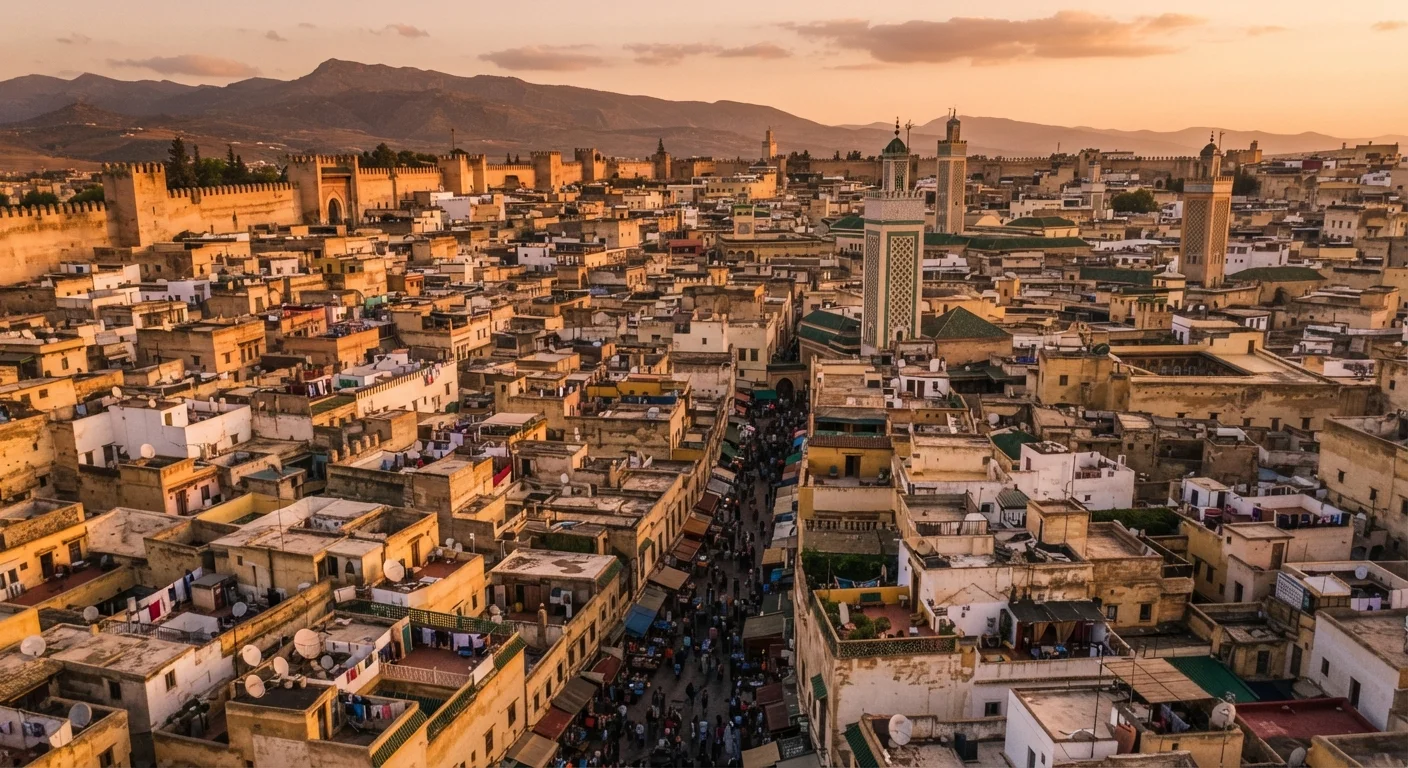
Photo credit: FaqsInsights.com | Stay Informed, Stay Ahead
In this article
Both countries offer medinas, coastlines, and Saharan landscapes — but the traveler experience differs considerably. Here's how they compare.
Key Takeaways
- Morocco offers greater geographic diversity - from Atlantic surf towns to High Atlas mountains to Saharan dunes.
- Tunisia is generally easier to navigate independently, with a more compact size and strong Roman and Phoenician heritage sites.
- Both countries have vibrant medinas, but Morocco's - especially Fez and Marrakech - are larger, busier, and more disorienting.
- Tunisia's Mediterranean coastline tends to be calmer and more developed for beach tourism than Morocco's Atlantic shores.
- Morocco requires more time to do justice to its regions; Tunisia can be explored meaningfully in a shorter trip.
- Entry requirements, safety conditions, and local laws vary - always verify with official government sources before booking.
Two Countries, One Region - But Very Different Vibes
At first glance, Morocco and Tunisia seem to tick similar boxes: ancient medinas, Saharan landscapes, mint tea, and Mediterranean-adjacent allure. Look closer, though, and you'll find two countries with distinct personalities, travel rhythms, and practical profiles that suit different kinds of trips entirely.
Morocco is the larger, louder, more geographically dramatic of the two. It's a country that can genuinely overwhelm - in the best possible way - with its labyrinthine souks, snow-capped Atlas peaks, and dune fields stretching toward Algeria. Tunisia, by contrast, punches above its weight with a quieter confidence: Phoenician and Roman layers beneath a breezy Mediterranean surface, and a scale that makes it far easier to cover comprehensively. Whether you have a week or a month, understanding these differences is the key to choosing the right destination. And if you're still weighing trip length at all, our guide to short vs. extended travel can help clarify what each style actually delivers.
Landscapes and Geography
Morocco's geography is genuinely staggering in its range. The Rif and High Atlas mountains divide the country's Atlantic and Mediterranean coasts from its pre-Saharan interior. Travelers can surf near Taghazout in the morning and, within a few days' drive, watch the sun rise over the Erg Chebbi dunes near Merzouga. The country's four imperial cities - Fez, Marrakech, Meknès, and Rabat - each warrant serious time. That richness comes with a trade-off: Morocco rewards longer stays, and rushing it means missing huge swaths of its character.
Tunisia, while smaller, is no geographic slouch. The northern tell region offers green, rolling hills quite unlike the popular image of North Africa. The central steppes and the southern chotts - vast salt flats - lead eventually to the Sahara, albeit in a more accessible, less dramatic form than Morocco's. The Gulf of Hammamet and the island of Djerba offer reliable Mediterranean beach conditions. For travelers working with a tighter window, Tunisia's compactness is a genuine advantage.
| Criterion | Morocco | Tunisia |
|---|---|---|
| Size | Large - 172,000 sq mi | Compact - 63,000 sq mi |
| Ideal trip length | 2-4 weeks recommended | 1-2 weeks feasible |
| Landscape variety | Mountains, Atlantic coast, Sahara | Mediterranean coast, salt flats, Sahara edge |
| Historic highlights | Imperial cities, Berber heritage | Carthage, Roman amphitheaters |
| Medina intensity | Large, bustling, sometimes overwhelming | Quieter, more easily navigable |
| Beach culture | Atlantic - surf-focused, wilder | Mediterranean - calm, developed |
| First-timer accessibility | Steeper learning curve | Gentler introduction to the region |
Culture, History, and Heritage
Morocco's cultural identity is a dense weave of Amazigh (Berber), Arab, Andalusian, and sub-Saharan African threads. Its medinas are UNESCO-listed living cities - nowhere more emphatically than Fez el-Bali, considered one of the world's largest car-free urban areas and home to the oldest continuously operating university, the University of al-Qarawiyyin. Moroccan craft traditions - zellige tilework, leather tanning, hand-knotted carpets - are deeply embedded in everyday commercial life, not museum pieces.
Tunisia layers a different kind of history: Carthage, the great Phoenician city-state, was founded here around 814 BCE, and the ruins at the Carthage site outside Tunis are hauntingly beautiful. The Roman amphitheater at El Djem is among the largest and best-preserved in the world, rivaling the Colosseum in scale. The medina of Tunis - also UNESCO-listed - feels quieter and more navigable than its Moroccan counterparts, which some travelers find refreshing and others find slightly less atmospheric.
A Note on Safety and Travel Advisories
Conditions in both countries can shift, and no editorial guide can substitute for official government guidance. US travelers should check the State Department's current travel advisory for Morocco and Tunisia before booking. Certain border regions and remote areas in both countries may carry elevated advisories unrelated to the main tourist circuits. Always travel with appropriate insurance and register your trip with the Smart Traveler Enrollment Program (STEP).
Practical Considerations for US Travelers
Both countries are popular with international visitors, and both have well-established tourism infrastructure in their major hubs. US passport holders should verify current visa requirements directly with each country's embassy or official government travel advisory - these can change, and no editorial source should be treated as definitive.
Morocco's transport network includes a reliable inter-city train service connecting Casablanca, Rabat, Fez, and Marrakech, as well as bus networks and the option to rent a vehicle for exploring the south. Tunisia's rail and bus systems are functional but more limited; renting a car is often the most practical choice for reaching sites like Dougga or Sbeitla.
~13M
Annual international visitors to Morocco
Morocco's tourism authority reported approximately 13 million international arrivals in a pre-pandemic peak year, making it one of Africa's most visited countries.
9
UNESCO World Heritage Sites in Morocco
UNESCO lists nine properties in Morocco, including the medinas of Fez, Marrakech, and Tétouan, reflecting the country's exceptional concentration of historic urban fabric.
8
UNESCO World Heritage Sites in Tunisia
Tunisia holds eight UNESCO-listed properties, among them the Medina of Tunis, the amphitheater at El Djem, and the ancient site of Carthage.
Language is also worth considering: Arabic and Tamazight (Berber) are Morocco's official languages, with French widely spoken in urban and tourist contexts. Tunisia uses Tunisian Arabic and French, with English less commonly encountered than in Morocco's major tourist cities. Neither country should be treated as inherently dangerous or unusually safe - always consult your government's current travel advisory before departure, and respect local laws and customs throughout your visit.

Author
Travel & Trips Editorial Team
Travel & Trips Editorial Team is the collective byline for our editorial team and contributor network. Articles published under this byline or an editorial pen name are researched, written, and reviewed according to our editorial standards for clarity, consistency, and independence before publication.
View all articles →