
Patagonia on Foot: Planning a Trek in One of the World's Most Logistically Complex Destinations
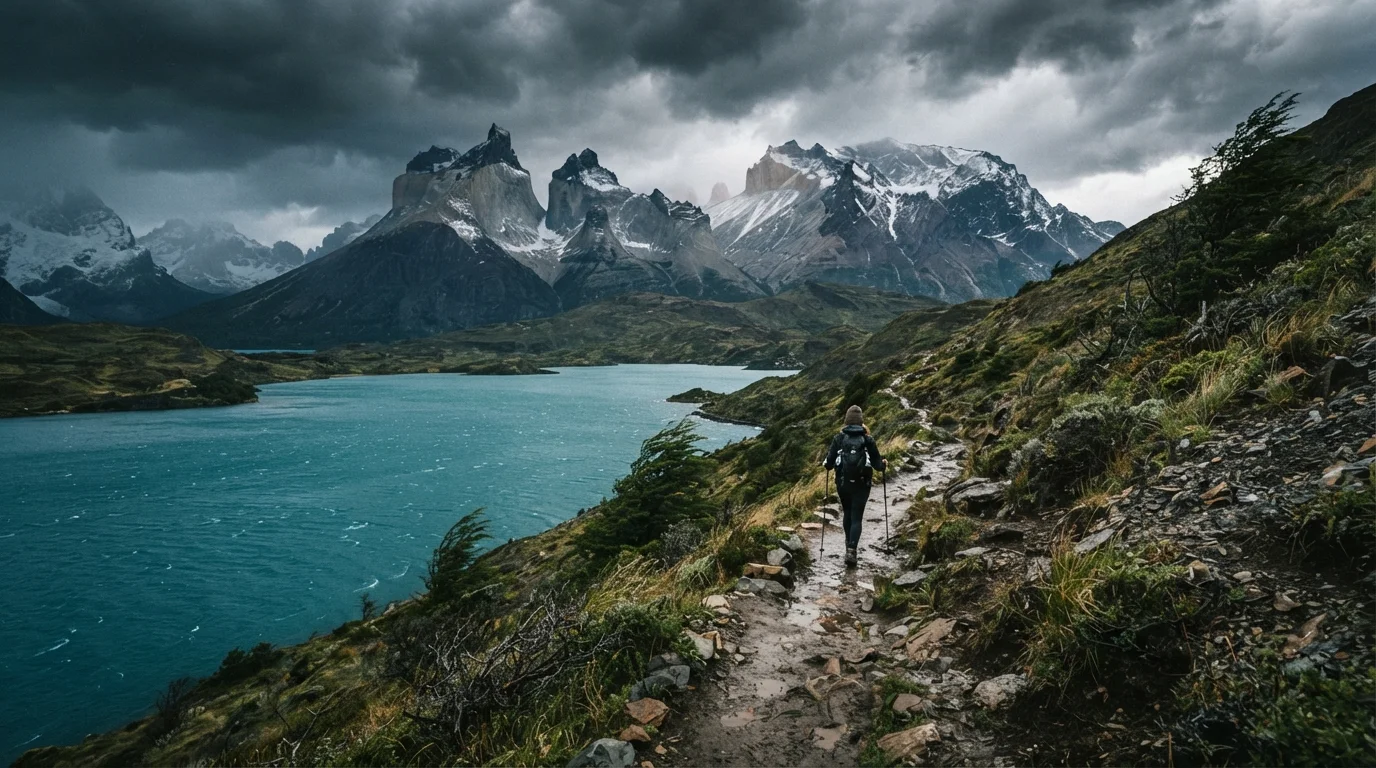
Photo credit: FaqsInsights.com | Stay Informed, Stay Ahead
In this article
Permits, weather windows, gear expectations, and route options — what you need to understand before attempting Patagonia's major trails.
Key Takeaways
- Patagonia's permit system for major treks requires booking many months in advance.
- Weather is famously unpredictable - layering and waterproof gear are non-negotiable.
- The trekking season runs roughly late October through April, peaking in January and February.
- Two countries share the region, each with distinct entry requirements and park regulations.
- Wind, rain, and remoteness define the challenge more than altitude.
- Knowing your route options before arriving prevents costly last-minute decisions.
Why Patagonia Is Logistically Unlike Anywhere Else
Patagonia doesn't just challenge your body - it challenges your organizational skills months before you ever lace up your boots. Straddling the southern tip of South America across Chile and Argentina, this region combines extreme weather volatility, limited infrastructure, and high demand for a relatively small number of regulated trail slots. The logistics are genuinely complex, but entirely manageable with the right preparation.
What makes Patagonia distinct is the combination of factors rarely found together: a permit system that books out in hours during release windows, trail conditions that can change from passable to dangerous within the same afternoon, and a geographic remoteness that means rescue, if needed, is slow and expensive. That said, tens of thousands of trekkers complete these routes every season - the key is entering with clear expectations and a well-built plan.
Permits Sell Out Months Ahead
Torres del Paine's W Circuit and O Circuit campsites - particularly the coveted refugios near the Torres base - routinely sell out five to eight months before the high season. CONAF (Chile's national forestry service) manages these reservations through an official online portal. Do not assume you can book upon arrival; plan your trek date first, then build everything else around it.
This guide walks you through the decisions in sequence: route selection, reservations, seasonal timing, gear, and on-the-ground logistics. Whether you're eyeing the classic W Circuit or the wilder fringes of Tierra del Fuego, the same planning framework applies. For a broader foundation on building a well-structured international trip, our trip planning hub covers the essentials from itinerary building to travel documentation.
What to Bring and What to Verify Before You Go
Gear and prerequisites are equally important in Patagonia. The mountain environment does not grade on effort - being underprepared has genuine consequences. Review the prerequisites and tool recommendations below before finalizing your packing list.
What you will need
Waterproof shell jacket and trousers
Protection against Patagonia's near-constant wind and rain across all trail segments.
Trekking poles
Essential for river crossings, steep descents, and stability on rocky terrain in high winds.
Four-season tent (if free camping)
Must withstand sustained winds and driving rain; standard three-season tents are often inadequate.
Topographic map and compass
Navigation backup for remote segments where cellular and GPS signals are unreliable.
Portable water filter or purification tablets
Glacial streams are generally clean but a filter provides assurance on longer backcountry routes.
Emergency bivy or space blanket
Critical safety layer if weather deteriorates rapidly and shelter is unavailable.
Patagonian Weather Can Turn Without Warning
Winds exceeding 100 km/h have been recorded in Torres del Paine and Los Glaciares. A clear morning can become a whiteout by noon. Always carry full rain gear, an emergency bivy, and a map - do not rely solely on mobile apps in areas with unreliable coverage. Inform park rangers of your intended itinerary before setting out on remote segments.
Split Your Trip Across Both Countries
Combining Torres del Paine in Chile with Argentina's El Chaltén - the self-styled trekking capital of the country - gives you two distinct landscapes, different permit ecosystems, and a richer overall experience. The two hubs are roughly five hours apart by road. Many trekkers find the border crossing straightforward, but verify current entry requirements through official government sources before traveling.
This article provides general travel information and education only. Entry requirements, permit systems, park regulations, and safety conditions can change. Always verify current rules with official government sources, embassy websites, and national park authorities before traveling. Consult a travel health professional regarding any vaccination or health requirements for your destination.

Author
Travel & Trips Editorial Team
Travel & Trips Editorial Team is the collective byline for our editorial team and contributor network. Articles published under this byline or an editorial pen name are researched, written, and reviewed according to our editorial standards for clarity, consistency, and independence before publication.
View all articles →