
Portugal's Alentejo Region: Slow Travel Through Wine, Cork, and Medieval Villages
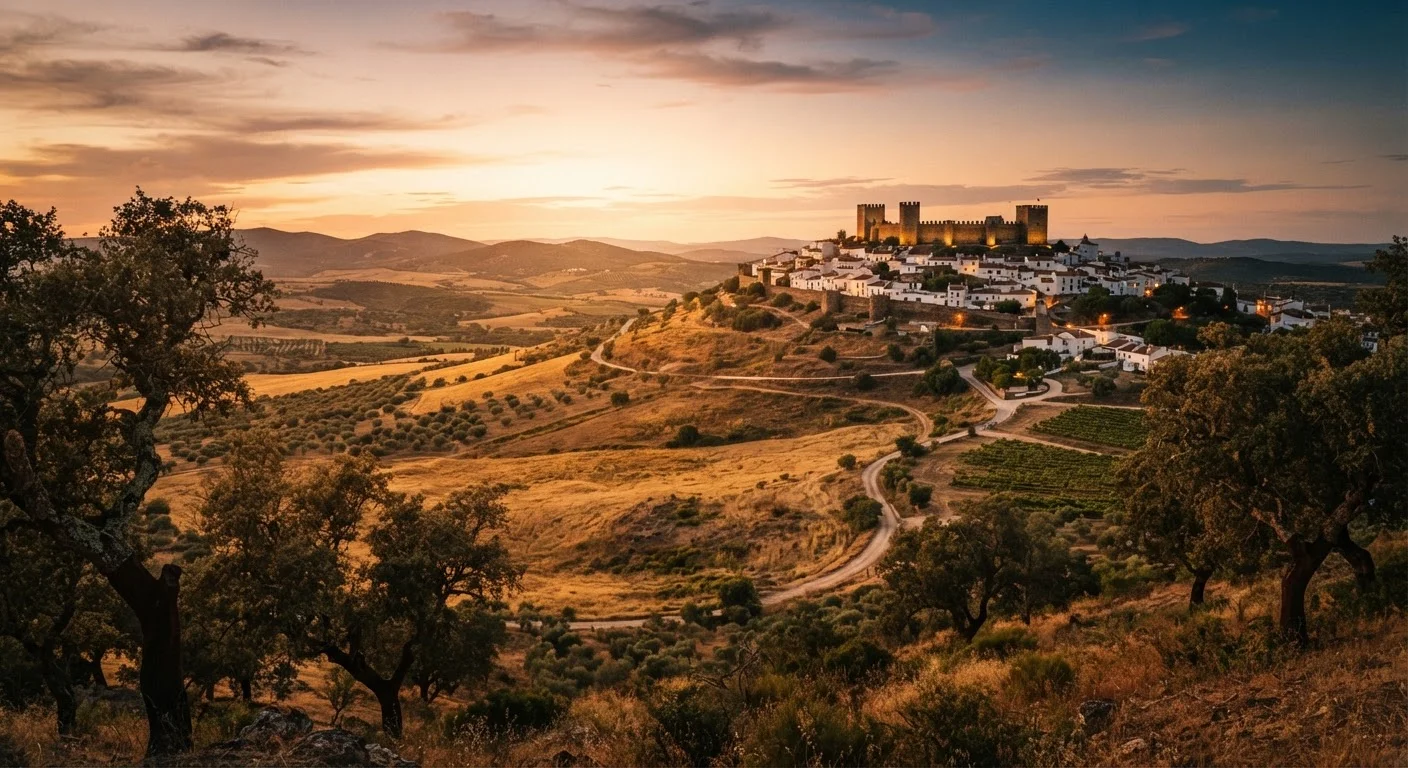
Photo credit: FaqsInsights.com | Stay Informed, Stay Ahead
In this article
The Alentejo sits between Lisbon and the Algarve yet draws far fewer visitors. Here's what makes this quiet region worth a dedicated trip.
Key Takeaways
- The Alentejo covers roughly one-third of Portugal yet receives a fraction of the Algarve's tourist traffic.
- The region produces more than 50% of the world's cork supply, shaping both its landscape and local economy.
- Évora, a UNESCO World Heritage city, anchors the region and can be reached in about 90 minutes from Lisbon.
- Spring and autumn offer the most comfortable temperatures and fewest crowds for exploration.
- Slow travel philosophy fits the Alentejo especially well - the rewards compound with time spent in one place.
Why the Alentejo Flies Under the Radar
Sandwiched between Lisbon's cosmopolitan pull and the Algarve's beach-resort glitter, the Alentejo (roughly translated as "beyond the Tagus") occupies a geographic middle ground that many itineraries skip entirely. That is precisely what makes it so compelling.
The landscape here is vast and uncluttered - rolling plains of golden wheat stubble, silver-green olive groves, and sun-bleached cork oaks stretching toward low hills. Towns arrive slowly, announced by Roman walls or a Moorish castle silhouette on the horizon. There are no theme parks, no jam-packed promenades; the region's rhythms are governed by harvest seasons and afternoon heat.
For travelers who feel that rushing between landmarks leaves little room for genuine discovery, the Alentejo is a natural fit. If you've been weighing the tradeoffs of depth versus breadth in your own travel planning, our piece on slow travel vs. packed itineraries explores that tension in useful detail.
~1/3
Share of Portugal's land area covered by Alentejo
Despite its vast size, the Alentejo holds only around 7% of Portugal's national population, contributing to its exceptional sense of open space.
50%+
Global cork supply produced in Portugal
Portugal is the world's largest cork producer, and the Alentejo's cork oak forests form the heart of that industry.
~90 min
Train journey from Lisbon to Évora
Regular rail and road connections make Évora accessible as a base for exploring the wider Alentejo without a long travel day.
The Medieval Villages Worth Wandering
Évora is the region's undisputed anchor. A UNESCO World Heritage city, it preserves a Roman temple, a cathedral dating from the 12th century, and a network of whitewashed lanes that reward aimless walking. The city is compact enough to explore on foot in a long afternoon - though most visitors find reasons to stay considerably longer.
Beyond Évora, a cluster of walled hilltop villages define the Alentejo's northeastern edge. Marvão perches dramatically at 862 metres, its granite streets barely changed since the 13th century. Castelo de Vide, just below, is known for a remarkably preserved medieval Jewish quarter and a spring-fed fountain at its centre. Monsaraz, overlooking the Alqueva reservoir, offers some of the clearest dark skies in Europe - the Alqueva region holds a Starlight Reserve designation, making it a serious draw for stargazers.
Arrive in Monsaraz on a weekday evening when day-trippers have left - the village takes on a completely different, quieter character after dusk, and the Alqueva reservoir views under low light are spectacular.
Popular hilltop villages in the Alentejo can feel crowded at midday during peak season; timing your arrival for late afternoon dramatically changes the experience.
When visiting a quinta for a wine tasting, ask specifically about their sub-region designation - Reguengos, Borba, and Redondo each produce wines with distinct profiles worth comparing.
The Alentejo DOC encompasses eight sub-regions with meaningfully different soils and microclimates; understanding these distinctions deepens the tasting experience and helps travelers choose where to focus.
These villages are rarely more than an hour's drive apart, making a leisurely circuit feasible over three to four days without ever feeling hurried.
Wine and Cork: The Region's Twin Pillars
The Alentejo produces wines that have earned consistent international recognition - full-bodied reds built on Aragonez, Trincadeira, and Alicante Bouschet grapes that thrive in the dry continental heat. The Alentejo DOC (Denominação de Origem Controlada) umbrella covers eight sub-regions, each with slightly different soil profiles and microclimates. Many estates welcome visitors for cellar tours and tastings; the landscape of low-slung quintas (estates) amid cork oak forests makes the experience as visually distinctive as it is flavorful.
Cork is arguably even more central to the Alentejo's identity. Portugal supplies more than half the world's cork, and the Alentejo accounts for the largest share of that production. The cork oak - Quercus suber - is a protected species; its bark is harvested by hand on a nine-year rotation cycle, leaving trees with a characteristic rust-red trunk in the years after stripping. Roadside cork stacks and processing facilities are a common sight, and several estates offer tours explaining the full production chain from forest to bottle stopper.
Summer Heat Is No Exaggeration
Interior Alentejo regularly records some of the hottest temperatures in mainland Europe during July and August, sometimes exceeding 45°C (113°F). If you visit in summer, plan any outdoor activity for early morning or evening, carry ample water, and never leave anyone - including pets - in a parked vehicle. Visitors with heat-sensitive health conditions should consult a healthcare professional before planning a summer trip.
Food, Feasts, and Market Culture
Alentejo cuisine is rooted in peasant ingenuity - the art of making something deeply satisfying from simple ingredients. Açorda, a bread-based soup enriched with garlic, olive oil, coriander, and egg, is perhaps the most emblematic dish. Migas, a fried bread-and-pork crumb, appears alongside nearly every roast. Pork from the black Iberian pig (porco preto), raised on acorns under cork and holm oak trees, is a regional speciality that shows up in everything from cured sausages to slow-braised mains.
Weekly markets in towns like Estremoz - famous for its Saturday market and distinctive white marble architecture - are ideal places to encounter local cheeses, honey, smoked meats, and hand-painted pottery. Estremoz's soft cheese (queijo de Évora) is protected under EU geographical indication, signifying its specific origin and traditional production methods.
Dining in the Alentejo tends toward generous portions and unhurried service, two qualities that suit the region's tempo perfectly. Seek out local tascas (casual taverns) over tourist-facing restaurants for the most authentic experience.
Practical Notes for Visiting
Getting there: Évora is approximately 130 km east of Lisbon, reachable by expressway or by train. Driving gives considerably more flexibility for reaching smaller villages and quintas. For the northern villages of Marvão and Castelo de Vide, a car is essentially necessary.
Best seasons: Spring (March-May) brings wildflower meadows and mild temperatures ideal for walking. Autumn (September-October) coincides with grape and olive harvests, adding activity and color to the landscape. Summer is genuinely hot - interior temperatures regularly exceed 40°C (104°F) - so midday outdoor exploration requires planning around shade and hydration.
Accommodation: The region has a growing number of rural tourism properties (turismo rural and herdades), often set on working estates. These vary widely in character and amenities; verify what is included before booking.
Build in Buffer Days
The Alentejo rewards unscheduled time more than almost any other Portuguese region. Leave at least one full day without planned activities - the unexpected conversations, unmarked chapels, and roadside cork forests you discover on a whim often become the trip's highlight. Resist the urge to over-schedule.
Entry and travel requirements: Portugal is a Schengen Area member. US passport holders should verify current entry requirements, including any documentation or registration obligations, directly through official Portuguese government sources and their own government's travel advisories before departure, as policies can change.
This article is for general informational purposes only. Travel conditions, entry requirements, and local regulations are subject to change. Always verify current information with official government and provider sources before planning or booking travel.

Author
Travel & Trips Editorial Team
Travel & Trips Editorial Team is the collective byline for our editorial team and contributor network. Articles published under this byline or an editorial pen name are researched, written, and reviewed according to our editorial standards for clarity, consistency, and independence before publication.
View all articles →