
Traveling to a City With No Itinerary: The Tradeoffs Worth Understanding
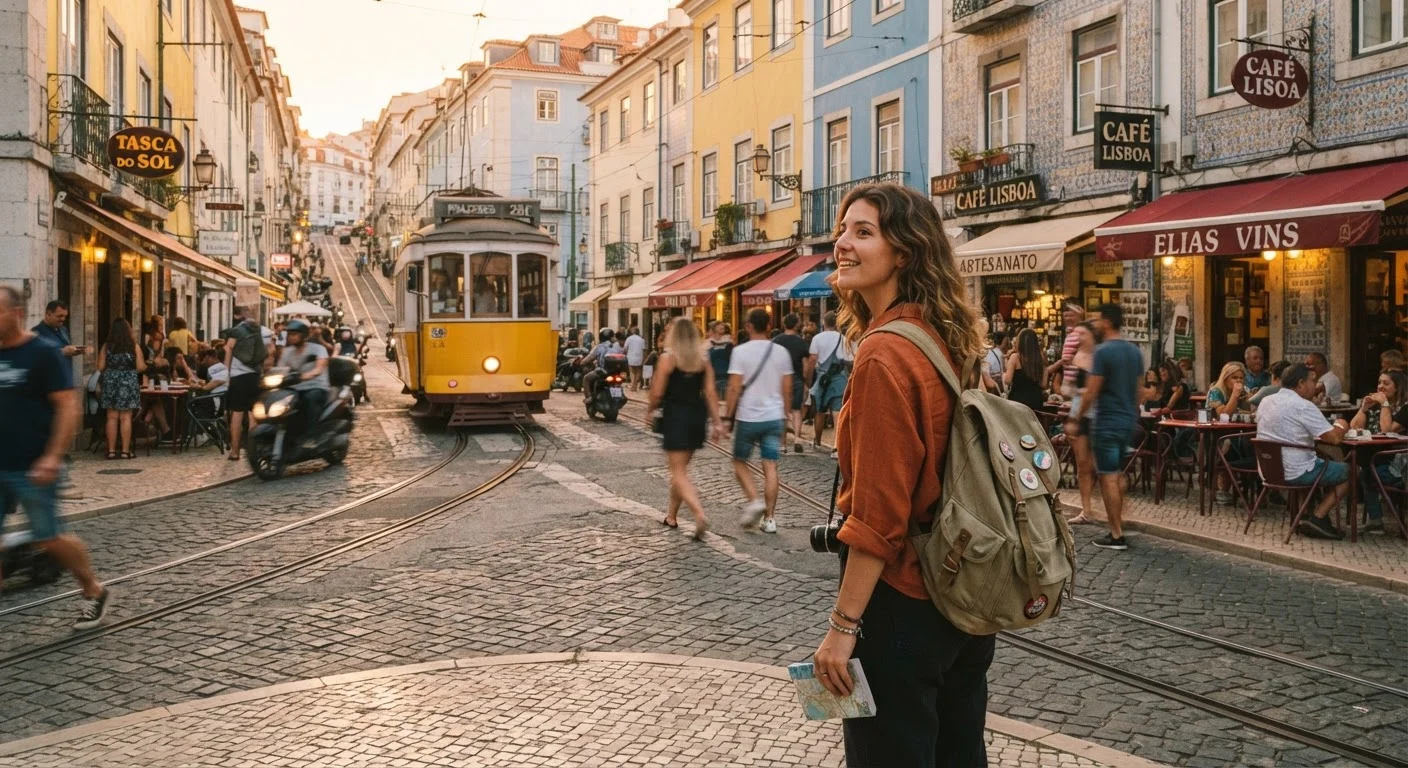
Photo credit: FaqsInsights.com | Stay Informed, Stay Ahead
In this article
Unplanned travel feels freeing but comes with real constraints. A balanced look at the advantages and limitations of winging it in an unfamiliar city.
Key Takeaways
- Itinerary-free travel maximizes flexibility but increases the risk of missing time-sensitive or capacity-limited attractions.
- Spontaneous city travel can cost more when accommodation and transport aren't booked in advance.
- Wandering without a plan often surfaces genuine local experiences that structured itineraries miss.
- Safety awareness matters more when you have no pre-researched route or fallback plan.
- A light framework - knowing neighborhoods and transit basics - captures most of the upside with far less downside.
Follows your energy and mood in real time
Unplanned travel lets you linger in a neighborhood you love or leave a disappointment behind without feeling like you've derailed anything. This responsiveness often leads to a more enjoyable trip overall.
Surfaces authentic, off-the-beaten-path discoveries
Without a rigid list driving decisions, you're more likely to wander into a neighborhood market, a side-street café, or a local event that no travel blog flagged. These are often the memories that last.
Removes pre-trip planning stress entirely
Researching, booking, and scheduling can consume hours before you even leave home. Skipping that process is genuinely appealing, especially for shorter trips or travelers prone to over-planning.
Encourages deeper local engagement
Asking locals for directions or recommendations becomes necessary rather than optional, which often opens up more genuine exchanges and tips that aren't in any guidebook.
Adapts easily to weather and unexpected closures
When a museum is shut or it's raining hard, an unplanned traveler pivots naturally. A traveler with a tight itinerary often experiences the same situation as a setback.
Popular attractions may be fully booked
Many high-demand sites - from major museums to rooftop restaurants - require advance reservations, sometimes weeks out. Showing up without a booking can mean missing them entirely.
Last-minute accommodation costs more on average
Same-day or next-day hotel and rental bookings typically carry a price premium, particularly in busy cities or during local events you weren't aware of when booking flights.
Decision fatigue accumulates quickly
When every meal, route, and activity requires a fresh decision with no prior framework, the cognitive load adds up. What feels freeing on day one can feel exhausting by day three.
Safety risks increase without pre-researched routes
Not knowing which neighborhoods to avoid at certain hours, or lacking a fallback plan if transit shuts down, creates avoidable vulnerability - especially for first-time visitors to a city.
Time is easily lost to indecision or poor logistics
Without knowing transit options in advance, travelers often spend significant time backtracking, waiting, or walking routes that a quick look at a transit map would have optimized.
Can produce regret over missed non-negotiables
If there was one thing you really wanted to see and it required tickets that sold out months ago, no amount of spontaneous charm makes up for it at the airport on the way home.
What 'No Itinerary' Actually Means in Practice
Arriving in a city with no plan sounds romantic in theory - and for some travelers, in practice too. But it's worth being precise about what that actually looks like. True itinerary-free travel means no pre-booked activities, no mapped routes, and decisions made day-by-day or hour-by-hour based on instinct, energy, and whatever surfaces.
That's genuinely different from flexible travel, which typically involves a loose framework: a few key bookings, some awareness of the city's layout, and a short list of priorities. Understanding which camp you're in matters, because the tradeoffs are different. This article focuses on the fully unplanned end of the spectrum - and what you're actually trading when you go that route.
For a look at how structure and spontaneity can coexist, slow travel vs. packed itineraries explores how pace decisions shape the whole trip experience.
The Real Advantages of Winging It
There are genuine reasons experienced travelers sometimes skip the plan entirely - and they go beyond just laziness or a love of chaos.
Follows your energy and mood in real time
Unplanned travel lets you linger in a neighborhood you love or leave a disappointment behind without feeling like you've derailed anything. This responsiveness often leads to a more enjoyable trip overall.
Surfaces authentic, off-the-beaten-path discoveries
Without a rigid list driving decisions, you're more likely to wander into a neighborhood market, a side-street café, or a local event that no travel blog flagged. These are often the memories that last.
Removes pre-trip planning stress entirely
Researching, booking, and scheduling can consume hours before you even leave home. Skipping that process is genuinely appealing, especially for shorter trips or travelers prone to over-planning.
Encourages deeper local engagement
Asking locals for directions or recommendations becomes necessary rather than optional, which often opens up more genuine exchanges and tips that aren't in any guidebook.
Adapts easily to weather and unexpected closures
When a museum is shut or it's raining hard, an unplanned traveler pivots naturally. A traveler with a tight itinerary often experiences the same situation as a setback.
The biggest payoff is often psychological. When there's no schedule to fall behind on, a long lunch in a sunny plaza isn't wasted time - it's the trip. That mental freedom is harder to manufacture than it sounds, and it consistently produces the kind of relaxed, observant travel that feels most restorative.
Spontaneous city travel also tends to favor engagement over consumption. Rather than working through a checklist, you end up paying attention to what's actually in front of you. That quality of attention is what leads to discovering a courtyard concert or a family-run restaurant that no travel algorithm would have surfaced.
The Limitations That Catch Travelers Off Guard
The downsides of itinerary-free city travel are just as real - and often more concrete than the benefits, which is worth sitting with honestly.
Popular attractions may be fully booked
Many high-demand sites - from major museums to rooftop restaurants - require advance reservations, sometimes weeks out. Showing up without a booking can mean missing them entirely.
Last-minute accommodation costs more on average
Same-day or next-day hotel and rental bookings typically carry a price premium, particularly in busy cities or during local events you weren't aware of when booking flights.
Decision fatigue accumulates quickly
When every meal, route, and activity requires a fresh decision with no prior framework, the cognitive load adds up. What feels freeing on day one can feel exhausting by day three.
Safety risks increase without pre-researched routes
Not knowing which neighborhoods to avoid at certain hours, or lacking a fallback plan if transit shuts down, creates avoidable vulnerability - especially for first-time visitors to a city.
Time is easily lost to indecision or poor logistics
Without knowing transit options in advance, travelers often spend significant time backtracking, waiting, or walking routes that a quick look at a transit map would have optimized.
Can produce regret over missed non-negotiables
If there was one thing you really wanted to see and it required tickets that sold out months ago, no amount of spontaneous charm makes up for it at the airport on the way home.
The financial cost of spontaneity is one of the least-discussed aspects of this travel style. Traveling with a fixed budget requires a different mindset when you're booking accommodation the same day you arrive. Prices are less predictable and often considerably higher.
Safety is another dimension that deserves clear-eyed attention. Staying safe in unfamiliar cities doesn't require paranoia, but it does require some baseline orientation - knowing which transit lines run late, which areas warrant more caution after dark, and what your fallback options are if something goes sideways.
Finding the Version That Works for Your Trip
The framing of 'itinerary versus no itinerary' is a bit of a false binary. Most travelers benefit from something in between - and the right balance depends heavily on trip length, destination familiarity, and what you actually want from the experience.
A Light Framework Isn't the Same as an Itinerary
There's a meaningful middle ground between a minute-by-minute schedule and zero preparation. Knowing the city's major neighborhoods, understanding how the transit system works, and identifying one or two things you genuinely don't want to miss captures most of the upside of spontaneity while dramatically reducing the downside. This approach - sometimes called 'structured flexibility' - is how many experienced travelers actually operate. It's worth distinguishing from both rigid over-planning and pure winging it.
First-time visitors to an unfamiliar city, especially one with language barriers or complex transit, tend to find zero preparation more stressful than liberating. First-time solo travelers in particular often benefit from having at least their first night's accommodation sorted and one reliable transit route mapped before landing.
More experienced travelers - or those returning to a familiar city - often find that skipping the plan pays dividends precisely because they already carry the mental map. The city feels less like a puzzle and more like an environment to enjoy.
Whatever your approach, it's worth being honest about what you're likely to regret versus what you can genuinely let go of. Common travel planning myths - including the idea that over-planning always ruins spontaneity - are worth examining before you decide to forgo a plan entirely. And if trip length is shaping your decision, short trip vs. extended travel tradeoffs lays out how your available time should factor in.
60%+
Travelers who research before arrival
Multiple travel surveys consistently show that the majority of leisure travelers engage in some destination research before departing, even when they consider themselves spontaneous.
30-50%
Typical last-minute accommodation price premium
Hotel rate studies have found that same-day bookings in major cities frequently cost significantly more than bookings made one to two weeks in advance.

Author
Travel & Trips Editorial Team
Travel & Trips Editorial Team is the collective byline for our editorial team and contributor network. Articles published under this byline or an editorial pen name are researched, written, and reviewed according to our editorial standards for clarity, consistency, and independence before publication.
View all articles →