
What 'Off-Season' Actually Means in Southeast Asia
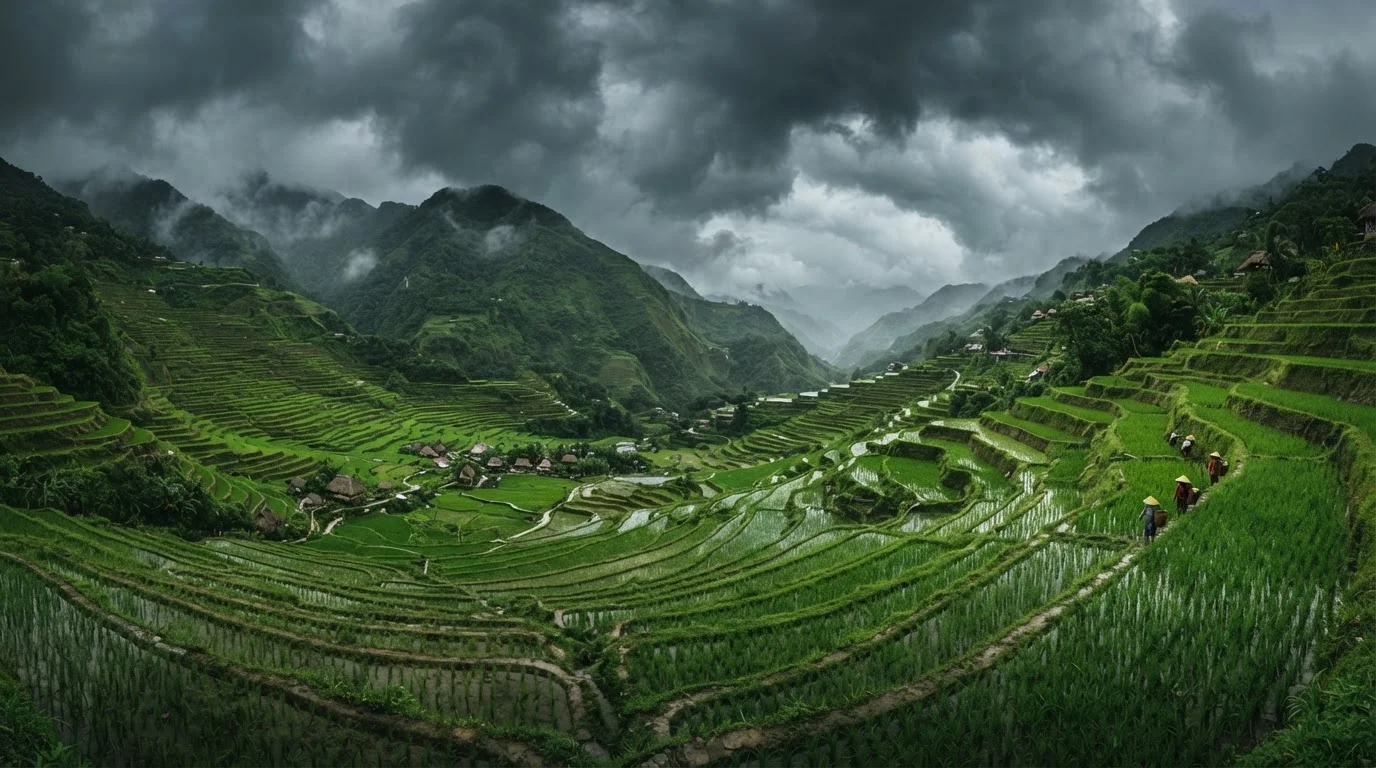
Photo credit: FaqsInsights.com | Stay Informed, Stay Ahead
In this article
Monsoon season isn't the same across every country. Learn what off-season really looks like in Thailand, Vietnam, Indonesia, and beyond.
Key Takeaways
- Off-season in Southeast Asia is driven by monsoon patterns, not cold temperatures.
- No single month is off-season for all of Southeast Asia simultaneously.
- Thailand's Gulf and Andaman coasts have opposite wet seasons from each other.
- Vietnam's elongated north-south geography creates distinct regional weather windows.
- Off-season often means lower prices, lush scenery, and thinner crowds at major sites.
- Always check destination-specific forecasts rather than relying on regional generalizations.
Why 'Off-Season' Is a Moving Target in This Region
Southeast Asia spans roughly 4,000 kilometers from Myanmar's northern highlands to Indonesia's southern islands. That enormous geographic spread means the region is never uniformly wet or dry at the same time. When travelers ask, 'when is the off-season?' the honest answer is: it depends entirely on which country - or even which coast - you're visiting.
The region is governed by two primary monsoon systems. The Southwest Monsoon brings heavy rainfall to western-facing coasts and inland areas from approximately May through October. The Northeast Monsoon drenches eastern-facing coastlines from around November through February. This split creates a situation where savvy travelers can essentially hop between destinations to follow good weather year-round.
Monsoon Rain Rarely Means All-Day Downpours
In most of Southeast Asia's tropical lowlands, monsoon rain typically arrives as intense afternoon or evening showers rather than persistent grey drizzle. Mornings are frequently clear and warm, allowing ample time for sightseeing, outdoor activities, and beach time. This pattern varies by destination and year, so checking recent traveler reports and local forecasts close to your travel dates is always worthwhile.
Country-by-Country Breakdown: What Off-Season Really Looks Like
Thailand illustrates the regional complexity perfectly. The Andaman Coast (Krabi, Phuket, Koh Lanta) is largely off-season from May to October, when the Southwest Monsoon rolls in. Meanwhile, the Gulf of Thailand coast (Koh Samui, Koh Tao) faces its heaviest rain from October through December. The practical takeaway: when one coast is wet, the other is often dry.
Vietnam's elongated shape creates at least three distinct weather zones. The north (Hanoi, Halong Bay) sees its wettest months from May to September. Central Vietnam (Hoi An, Da Nang) takes the brunt of the Northeast Monsoon from October to January. The south (Ho Chi Minh City, Mekong Delta) is soaked from May to November. A trip across Vietnam in any given month means moving through multiple seasons.
Indonesia adds another layer of complexity. Bali's wet season runs roughly November through March, but islands like Lombok, the Gili Islands, and Komodo experience slightly different timing. Borneo, shared between Indonesia and Malaysia, receives rainfall year-round, with no traditional dry season in much of the island's interior.
11
Countries spanning Southeast Asia's diverse climate zones
The United Nations geoscheme recognizes 11 countries in Southeast Asia, each with distinct regional microclimates shaped by coastline orientation, altitude, and proximity to monsoon systems.
~2,500mm
Annual average rainfall in tropical coastal Southeast Asia
Many coastal destinations in the region receive between 1,500mm and 3,000mm of annual rainfall, with concentration into distinct seasonal windows that define peak and off-peak travel patterns.
2
Primary monsoon systems governing Southeast Asia's weather
The Southwest and Northeast Monsoon systems create opposing wet seasons on different coastlines, meaning no single month is simultaneously off-season across the entire region.
What You Actually Gain by Traveling Off-Season
The word 'off-season' carries an unfairly negative connotation. For prepared travelers, it often represents some of the most rewarding trips in the region.
Rice fields across Thailand, Vietnam, and Bali reach their most electric green during and just after the monsoon. Waterfalls that are modest trickles in dry season become thundering spectacles. And cultural sites that attract shoulder-to-shoulder crowds in peak months - Angkor Wat, Luang Prabang's temples, Hoi An's ancient town - feel genuinely contemplative at low season.
Build Flexibility Into Your Off-Season Itinerary
When traveling during monsoon periods, avoid rigid back-to-back bookings that don't account for weather delays. Aim for destinations close enough together that a weather-related change of plans doesn't derail your entire trip. Many experienced travelers treat off-season Southeast Asia as an opportunity to slow down and linger rather than race through a fixed checklist.
That said, some practical realities deserve honest attention. Boat services to certain islands may be suspended during rough seas. Some smaller resorts close entirely. Hiking trails can be slippery or impassable. The experience is often richer but requires more flexible planning.
How to Research Off-Season Conditions Before You Go
Rather than relying on broad regional guides, build your research around a few reliable habits. Check historical monthly rainfall data for your specific destination - not just the country. Regional meteorological services and national tourism boards publish this information publicly.
Pay attention to average rainy days per month rather than total rainfall volume. A destination that receives 200mm of rain concentrated into two-hour afternoon showers is very different from one where it drizzles persistently all day. Many Southeast Asian destinations fall into the former category, leaving mornings and evenings perfectly usable.
Always consult your government's official travel advisory page for current safety, health, and entry information before booking. Monsoon flooding and seasonal typhoons can occasionally affect travel plans in ways no guidebook can anticipate in advance. Conditions vary year to year, and no source - including this one - can substitute for checking current, official guidance close to your departure date.
“The best traveler is one who understands that weather is not an obstacle to experience - it is part of the experience itself. Southeast Asia in the rain is Southeast Asia fully alive.”
— Travel & Trips Editorial Team, Editors and destination researchers specializing in Asia-Pacific travel
Frequently Asked Questions

Author
Travel & Trips Editorial Team
Travel & Trips Editorial Team is the collective byline for our editorial team and contributor network. Articles published under this byline or an editorial pen name are researched, written, and reviewed according to our editorial standards for clarity, consistency, and independence before publication.
View all articles →