
Everything You Need to Know Before Planning Your First Solo Trip
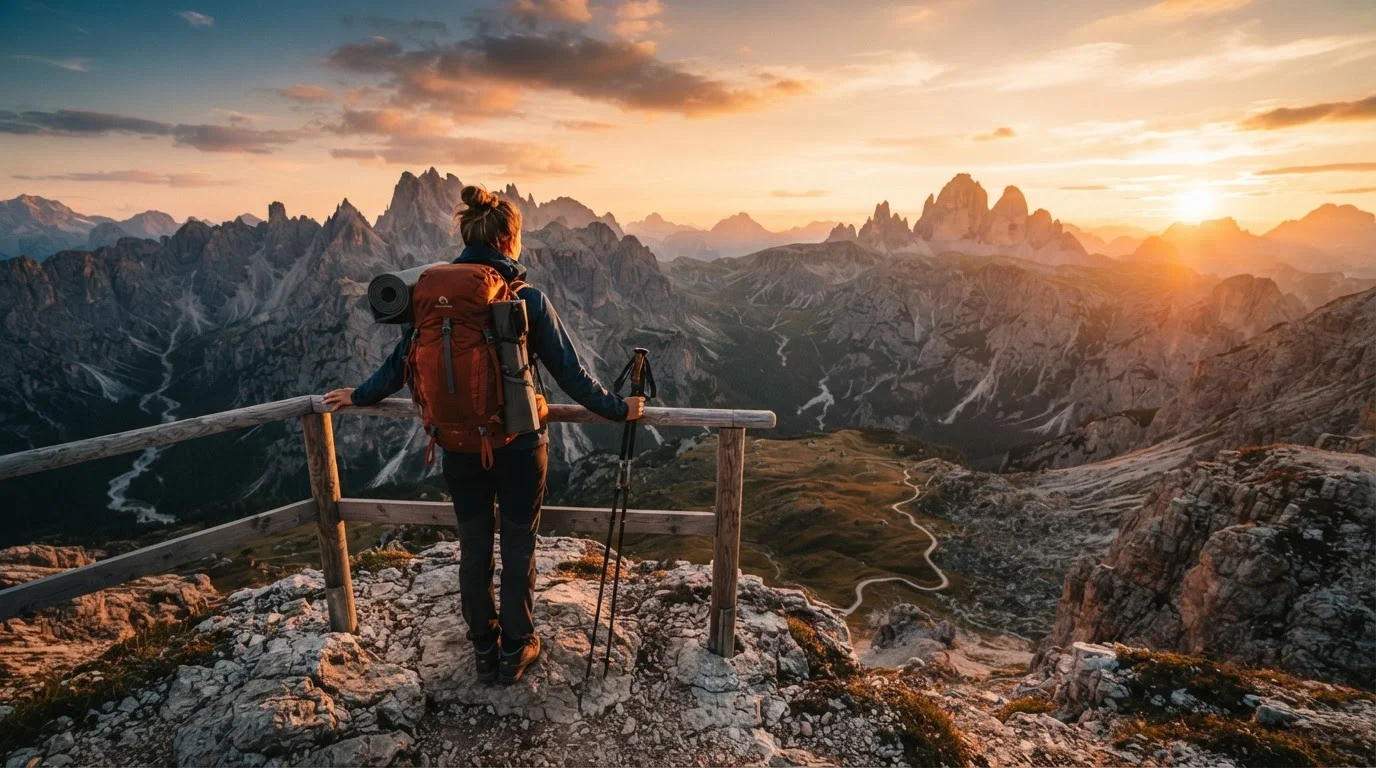
Photo credit: FaqsInsights.com | Stay Informed, Stay Ahead
In this article
A comprehensive guide to planning a solo journey — covering safety considerations, destination research, packing, and managing the unexpected.
Key Takeaways
- Choosing a beginner-friendly destination reduces early friction and builds confidence fast.
- A realistic budget accounts for transport, accommodation, food, activities, and a contingency reserve.
- Sharing your itinerary with a trusted contact is one of the simplest and most effective safety habits.
- Packing light — one carry-on where possible — dramatically improves mobility and reduces stress.
- Travel insurance is a practical necessity, not an optional extra, for solo travelers.
- Flexibility in your plan is an asset, not a weakness — leave room for the unexpected.
Why Solo Travel Is Worth the Leap
Going it alone might feel daunting the first time, but solo travel consistently ranks among the most transformative experiences travelers report. When you travel on your own schedule, every decision — where to eat, how long to linger, when to turn back — is entirely yours. That autonomy accelerates self-reliance in ways that group trips simply can't replicate.
Solo travel also opens unexpected social doors. Without a built-in companion, you're far more likely to strike up conversations with locals and fellow travelers, making the experience richer rather than lonelier. For a grounded overview of what first-timers often discover, see our Solo Travel for the First Time guide.
84%
Solo travelers who report increased self-confidence
A 2023 survey by solo travel platform Contiki found the vast majority of solo travelers felt more self-assured after their first independent trip.
25%
Growth in solo travel bookings over five years
Industry research from multiple travel booking platforms has tracked consistent year-over-year growth in single-occupancy bookings across the past half-decade.
Choosing the Right First Destination
Your first solo destination doesn't need to be the most exotic place on your list — it needs to be the right fit for where you are now as a traveler. Consider these core factors:
- Language accessibility: Destinations where English is widely spoken or where translation apps are highly effective lower the barrier significantly.
- Infrastructure reliability: Predictable public transit, a range of accommodation options, and clear tourist signage make navigation far less stressful.
- Safety context: Check your government's official travel advisories before booking. Conditions vary by region and can change — always verify with up-to-date official sources.
- Solo traveler community: Cities and destinations with established solo traveler and backpacker scenes offer built-in social opportunities and well-worn logistics.
Browse our Destination Guides for practical, location-specific insight to help narrow your shortlist.
Before committing to a destination, search travel forums and recent blog posts specifically for solo traveler experiences there — not general tourist reviews. Solo-specific accounts reveal logistics that guidebooks rarely cover.
General destination reviews rarely flag issues that disproportionately affect solo travelers, such as accommodation security, social dynamics, or the practicality of navigating alone after dark.
Book your first night's accommodation before you land — even if you plan to stay flexible for the rest of the trip. Arriving exhausted in an unfamiliar city without a confirmed bed is one of the most avoidable stressors in solo travel.
Decision fatigue is significantly higher on arrival day due to jet lag, navigation, and sensory overload. Removing even one variable makes the first 24 hours dramatically smoother.
Building Your Budget and Timeline
Budgeting for solo travel requires honesty about costs that group trips share and split. As a solo traveler, you absorb the full cost of a private room, a taxi, or a tour. Build your budget across five categories:
- Transportation: Flights, trains, local transit, and airport transfers.
- Accommodation: Hostels, guesthouses, or hotels — priced per night for one person.
- Food and drink: A daily per-diem estimate based on destination cost-of-living data.
- Activities and entry fees: Museums, tours, day trips, and experiences.
- Contingency reserve: A general guideline is to set aside 10–15% of your total estimated budget for unexpected costs.
On timeline: most first-time solo travelers find trips of 7–14 days long enough to feel immersive without becoming overwhelming. Build your day-by-day structure using our itinerary planning guide, which walks through what a well-structured travel plan actually contains.
Safety, Connectivity, and Smart Preparation
Safety on a solo trip is less about fearfulness and more about habit-building. A few consistent practices make a meaningful difference:
- Share your itinerary with a trusted friend or family member before you leave, including accommodation details and any planned day trips.
- Check in regularly — even a brief daily message keeps someone informed of your whereabouts without requiring constant contact.
- Use a local SIM or international data plan so you're never relying solely on Wi-Fi for navigation or emergency communication.
- Store copies of key documents — passport, insurance, visas — in a secure cloud folder and carry physical photocopies separately from originals.
Travel Insurance Is Non-Negotiable
Solo travelers have no travel companion to assist in a medical emergency, help navigate a cancelled flight, or cover costs if a bag is stolen. Travel insurance fills that gap. Before purchasing any policy, verify that it covers medical treatment and evacuation in the specific countries on your itinerary, and read the exclusions carefully. Always purchase insurance before your trip begins — policies cannot be activated retroactively.
For a full pre-departure safety and logistics review, work through our pre-departure checklist before you leave.
Packing Light and Packing Right
Every experienced solo traveler lands on the same conclusion eventually: pack less than you think you need. A single carry-on or a well-organized 40-liter backpack is manageable on trains, buses, and cobblestone streets in ways that a large checked bag simply isn't.
Prioritize versatile, layerable clothing over destination-specific outfits. Pack for the activities you've actually planned, not hypothetical ones. A small first-aid kit, universal power adapter, portable charger, and a physical map of your destination round out the essentials. Check our Travel Tips hub for packing lists tailored to different trip styles and climates.
The One-Week Wear Test
Two weeks before departure, pack your bag completely — then live with it for a week without adding anything. Whatever you find yourself wanting during that week is worth adding; whatever stays untouched in the bag can likely be cut. This method consistently surfaces what you actually use versus what you assume you'll need.
Managing the Unexpected on the Road
No trip goes exactly to plan — and as a solo traveler, you're the only one problem-solving when things shift. Build resilience into your trip design from the start:
- Travel insurance is not optional for solo travelers. Policies that cover medical evacuation, trip cancellation, and lost luggage address the scenarios that are most disruptive when you're alone.
- Avoid over-scheduling. A packed itinerary with no buffer means a missed train derails an entire day. Build in at least one unstructured half-day per three to four days.
- Know your embassy's location in each country you visit — it's a resource you'll hopefully never need but should always have noted.
- Have a backup accommodation option identified before you arrive in each city, especially if you're traveling in peak season.
Flexibility isn't a sign of poor planning — it's a feature of smart planning. The travelers who thrive solo are those who stay curious when things change rather than rigid. If you're curious how solo planning compares to coordinating with others, our group travel planning guide offers a useful contrast.

Author
Travel & Trips Editorial Team
Travel & Trips Editorial Team is the collective byline for our editorial team and contributor network. Articles published under this byline or an editorial pen name are researched, written, and reviewed according to our editorial standards for clarity, consistency, and independence before publication.
View all articles →