
Is Travel Insurance Worth Carrying? A Balanced Look
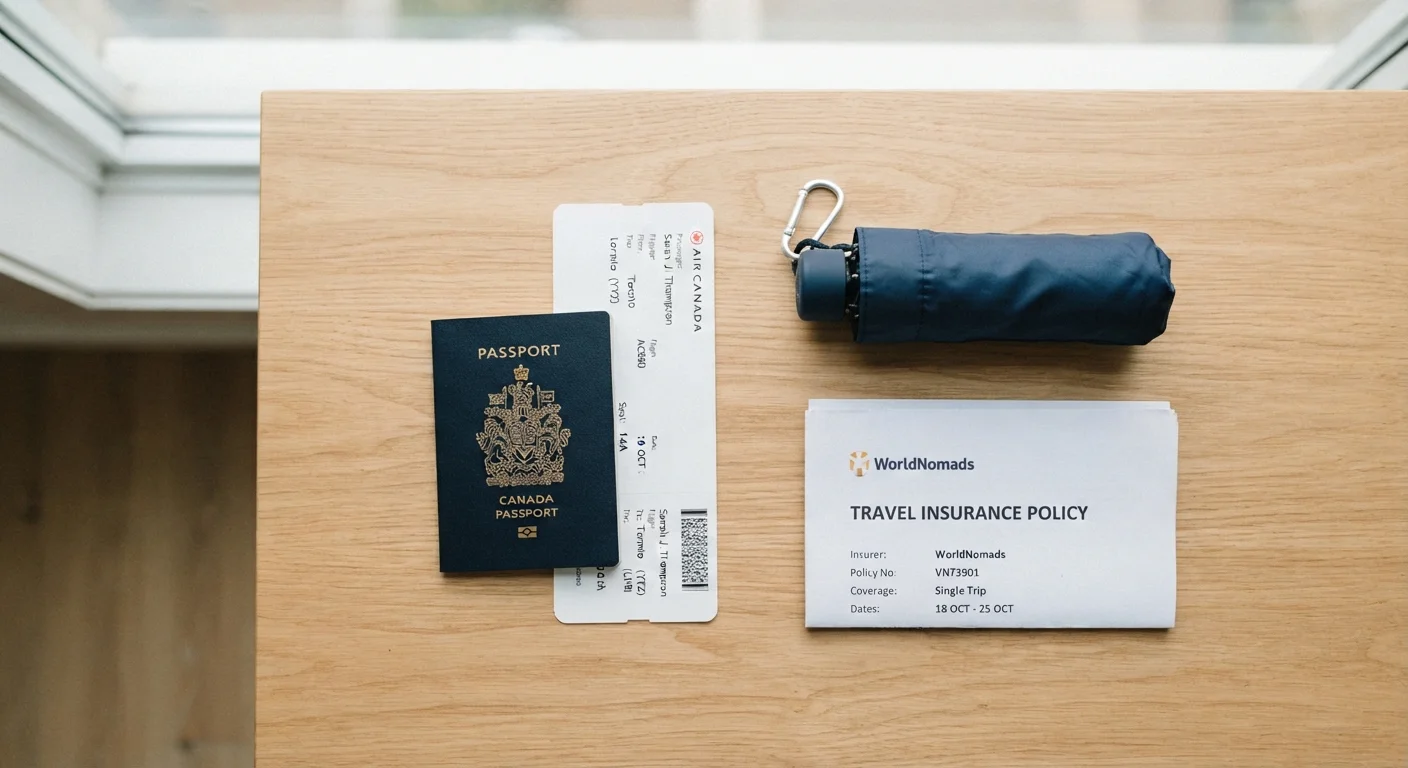
Photo credit: FaqsInsights.com | Stay Informed, Stay Ahead
In this article
An honest breakdown of what travel insurance typically covers, where it falls short, and the scenarios where it's most likely to matter.
Key Takeaways
- Travel insurance is most valuable for expensive, non-refundable, or international trips.
- Standard policies often exclude pre-existing conditions and common disruptions like weather delays.
- Credit cards may already provide some travel protections — worth checking before purchasing extra coverage.
- "Cancel for any reason" upgrades offer flexibility but come at a significant added cost.
- Travelers visiting remote destinations or planning adventure activities benefit most from medical coverage.
Covers non-refundable costs when you must cancel
If a covered reason — serious illness, death in the family, jury duty — forces you to cancel, trip cancellation coverage can reimburse prepaid, non-refundable expenses. This is particularly valuable on complex international itineraries with multiple non-refundable components.
Emergency medical coverage abroad is substantial
Most US-based health insurance plans provide minimal or no coverage outside the country. Travel medical coverage fills that gap, paying for hospital stays, emergency treatment, and sometimes prescription costs incurred overseas.
Medical evacuation can prevent catastrophic bills
Emergency airlifts and medical evacuations can cost $50,000–$100,000 or more without coverage. Policies with evacuation benefits handle these arrangements and costs directly, which is critical in remote or under-resourced destinations.
Baggage loss or delay reimbursement
When an airline loses checked luggage or it's significantly delayed, a travel policy can reimburse essential purchases and, eventually, lost belongings — up to policy limits.
"Cancel for any reason" upgrades offer rare flexibility
Some policies offer an optional upgrade that allows cancellation for virtually any reason, typically reimbursing 50–75% of trip costs. It's a more expensive add-on, but it removes the burden of proving a covered reason.
Pre-existing conditions are routinely excluded
Most standard policies exclude medical claims related to pre-existing conditions unless a "pre-existing condition waiver" is purchased promptly after the initial trip deposit. Missing that window is a common and costly oversight.
Common disruptions often fall outside coverage
Routine weather delays, flight cancellations due to airline operational issues, and pandemic-related disruptions frequently don't meet the definition of a covered event — leaving travelers without recourse through the policy.
Premiums add meaningful cost to the trip
At 4–10% of trip cost, insurance premiums are a real line item. On a heavily discounted or flexible trip, the premium can exceed the actual financial risk being protected against.
Claims processes can be slow and document-heavy
Filing a travel insurance claim typically requires detailed documentation — receipts, medical records, airline letters of delay, police reports. The process can be time-consuming and is not always resolved quickly.
Coverage limits may not reflect actual costs
Policies specify maximum payout amounts per category. Medical coverage limits of $50,000 may sound substantial but can fall short in countries with high healthcare costs or during complex emergencies.
Overlap with existing protections goes unnoticed
Many travelers pay for travel insurance without realizing their credit card already provides trip delay, cancellation, or baggage coverage. Paying twice for similar protections is a common and avoidable expense.
What Travel Insurance Actually Does
Travel insurance is a policy that reimburses or assists with certain financial losses arising from trip disruptions, medical emergencies, or other covered events before or during travel. Most standard policies bundle several coverage types: trip cancellation, trip interruption, emergency medical expenses, medical evacuation, and baggage loss or delay.
The key word here is covered. What qualifies for a payout is defined precisely by the policy's terms — and the gap between what travelers assume is covered and what actually is can be surprisingly wide. For a plain-English breakdown of coverage types and common exclusions, see Travel Insurance Explained.
Understanding those definitions upfront — before you pay the premium — is the whole game.
The Real Advantages
When a policy pays out, the relief is genuine. Here's where travel insurance tends to deliver meaningful value:
Covers non-refundable costs when you must cancel
If a covered reason — serious illness, death in the family, jury duty — forces you to cancel, trip cancellation coverage can reimburse prepaid, non-refundable expenses. This is particularly valuable on complex international itineraries with multiple non-refundable components.
Emergency medical coverage abroad is substantial
Most US-based health insurance plans provide minimal or no coverage outside the country. Travel medical coverage fills that gap, paying for hospital stays, emergency treatment, and sometimes prescription costs incurred overseas.
Medical evacuation can prevent catastrophic bills
Emergency airlifts and medical evacuations can cost $50,000–$100,000 or more without coverage. Policies with evacuation benefits handle these arrangements and costs directly, which is critical in remote or under-resourced destinations.
Baggage loss or delay reimbursement
When an airline loses checked luggage or it's significantly delayed, a travel policy can reimburse essential purchases and, eventually, lost belongings — up to policy limits.
"Cancel for any reason" upgrades offer rare flexibility
Some policies offer an optional upgrade that allows cancellation for virtually any reason, typically reimbursing 50–75% of trip costs. It's a more expensive add-on, but it removes the burden of proving a covered reason.
Medical evacuation coverage deserves special attention. A helicopter evacuation from a remote hiking trail or an airlift from a foreign hospital can cost tens of thousands of dollars out of pocket — a sum that dwarfs any premium. For travelers visiting destinations with limited emergency care infrastructure, this protection alone can justify a policy.
Where It Falls Short
Travel insurance has real limitations that frustrate many claimants. Knowing these ahead of time helps you make a clearer-eyed decision:
Pre-existing conditions are routinely excluded
Most standard policies exclude medical claims related to pre-existing conditions unless a "pre-existing condition waiver" is purchased promptly after the initial trip deposit. Missing that window is a common and costly oversight.
Common disruptions often fall outside coverage
Routine weather delays, flight cancellations due to airline operational issues, and pandemic-related disruptions frequently don't meet the definition of a covered event — leaving travelers without recourse through the policy.
Premiums add meaningful cost to the trip
At 4–10% of trip cost, insurance premiums are a real line item. On a heavily discounted or flexible trip, the premium can exceed the actual financial risk being protected against.
Claims processes can be slow and document-heavy
Filing a travel insurance claim typically requires detailed documentation — receipts, medical records, airline letters of delay, police reports. The process can be time-consuming and is not always resolved quickly.
Coverage limits may not reflect actual costs
Policies specify maximum payout amounts per category. Medical coverage limits of $50,000 may sound substantial but can fall short in countries with high healthcare costs or during complex emergencies.
Overlap with existing protections goes unnoticed
Many travelers pay for travel insurance without realizing their credit card already provides trip delay, cancellation, or baggage coverage. Paying twice for similar protections is a common and avoidable expense.
Check Your Credit Card Benefits First
A number of travel-focused credit cards include built-in trip cancellation, delay, and baggage protections as standard cardholder benefits — at no additional premium. Before purchasing a standalone travel insurance policy, review your card's benefits guide or call the issuer's benefits line. The overlap may be more substantial than expected, particularly for shorter or lower-cost trips.
One of the most common surprises is how insurance intersects with other trip costs. Travel insurance premiums themselves are an expense most people forget to factor into their overall budget — alongside fees and surcharges covered in The Hidden Costs of Travel Nobody Budgets For.
When the Numbers Make Sense — and When They Don't
Travel insurance typically costs between 4% and 10% of total prepaid, non-refundable trip costs. On a $500 domestic weekend trip, that's $20–$50 — a fairly low-stakes decision either way. On a $6,000 international itinerary with non-refundable flights, tours, and accommodation, the calculus shifts considerably.
4%–10%
Typical travel insurance cost as share of trip
According to the US Travel Insurance Association, most comprehensive travel insurance policies are priced within this range of total prepaid, non-refundable trip costs.
$50,000+
Potential cost of emergency medical evacuation
The US State Department notes that medical evacuations from remote international locations can reach $50,000 to over $100,000 — expenses not covered by most domestic health insurance plans abroad.
A few questions worth asking before you buy:
- What's already covered? Many travel credit cards include trip delay, cancellation, and baggage protections as a cardholder benefit. Check the benefits guide before purchasing standalone coverage.
- How refundable is your trip? A booking built largely on flexible or refundable rates reduces what a policy actually needs to protect.
- Are you traveling internationally? Most US health insurance plans offer little to no coverage abroad. This is one of the strongest arguments for a policy with robust medical and evacuation benefits.
For longer journeys or trips with more complex logistics, also consider how insurance fits into your broader planning framework — a topic addressed in Building a Trip Budget That Survives Contact With Reality.
A Balanced Decision Framework
Travel insurance isn't a moral obligation or a marketing upsell to ignore outright — it's a financial tool, and like all financial tools, it works better in some situations than others. The travelers who benefit most tend to share a few traits: significant non-refundable spend, international destinations, pre-existing health considerations, or adventure activities that standard health coverage excludes.
Shorter domestic trips, flexible bookings, and existing credit card protections can tip the balance the other way. Whatever your situation, reading the policy exclusions before purchasing — not after a claim is denied — is the most practical step any traveler can take. Explore more practical travel planning tips to help you prepare confidently for whatever trip comes next.
This article is for general informational purposes only and does not constitute financial, insurance, or legal advice. Policy terms vary significantly between providers. Always review your specific policy documents and consult a licensed insurance professional for guidance tailored to your circumstances. Verify entry requirements, health advisories, and coverage details with official government and provider sources before traveling.

Author
Travel & Trips Editorial Team
Travel & Trips Editorial Team is the collective byline for our editorial team and contributor network. Articles published under this byline or an editorial pen name are researched, written, and reviewed according to our editorial standards for clarity, consistency, and independence before publication.
View all articles →