
Why Your Carefully Laid Plans Keep Falling Apart on the Road
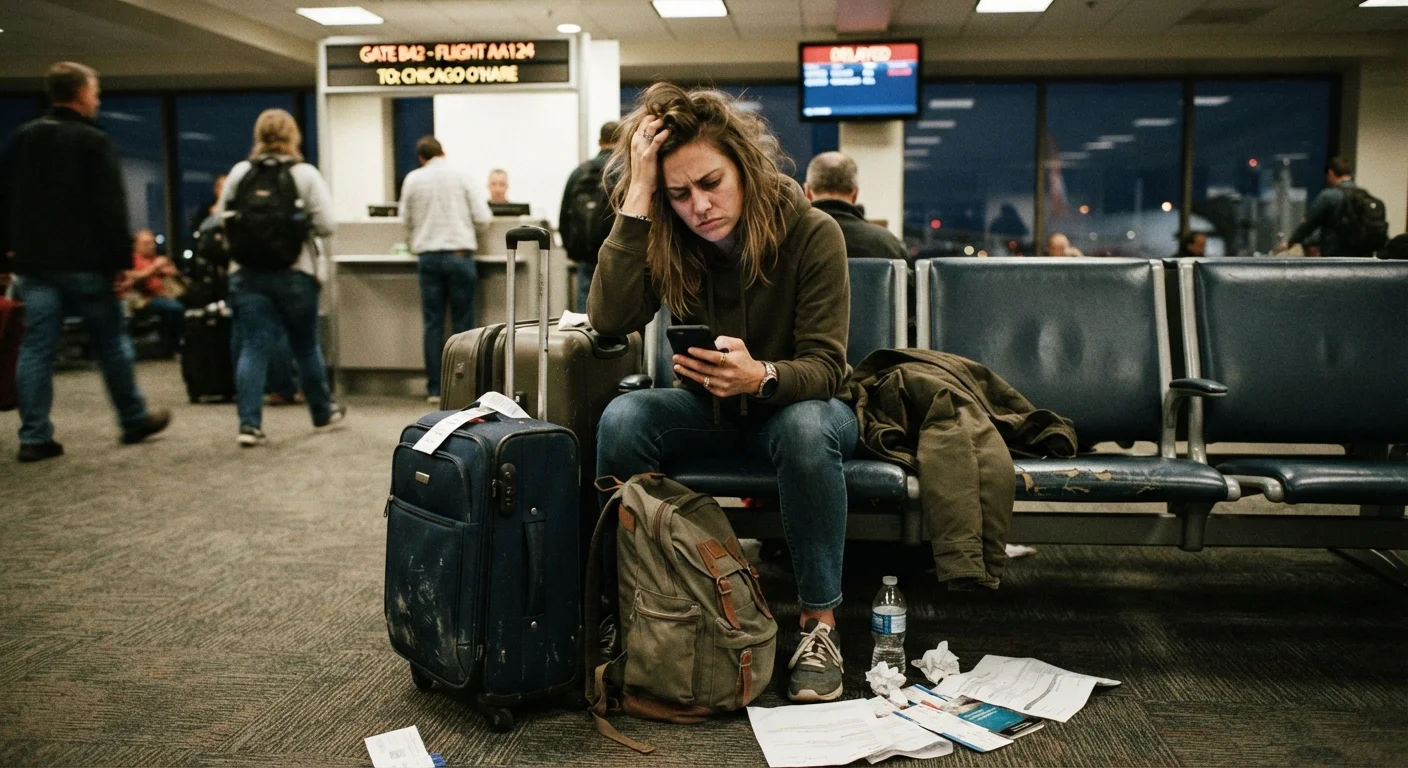
Photo credit: FaqsInsights.com | Stay Informed, Stay Ahead
Common planning mistakes that lead to stressful trips — and the small shifts in approach that make travel feel far more manageable.
Key Takeaways
- Overpacking your schedule is the single most common reason trips feel exhausting instead of enjoyable.
- Budget buffers of 15–20% above your estimate help absorb the unexpected costs nearly every trip produces.
- Failing to verify entry requirements, local holidays, or transit logistics can derail plans within hours of arrival.
- Rigid day-by-day plans leave no room for delays, discoveries, or the simple need to rest.
- Good contingency thinking — not pessimism — is what separates smooth trips from stressful ones.
The Gap Between Planning and Reality
There's a particular kind of frustration that hits somewhere around day two of a trip: the itinerary you spent weeks building suddenly feels like a liability. Connections are tighter than expected, a site is closed, or everyone is simply too tired to follow the plan. This gap between preparation and reality is where most travel stress lives — and it's almost always preventable.
The good news is that most trip failures trace back to a small cluster of repeatable planning mistakes. Recognizing them before you leave is far easier than recovering from them mid-journey. For a deeper look at what a well-constructed plan actually looks like from the ground up, see our guide to itinerary anatomy.
Scheduling every hour of every day with zero breathing room.
Why it happens: Excitement and fear of missing out push travelers to cram as much as possible into a limited window, especially on a first visit to a destination.
Setting a budget with no financial buffer for surprises.
Why it happens: Most people budget based on known, predictable costs — flights, hotels, and major attractions — and underestimate incidental spending like meals, transport upgrades, and entry fees.
Ignoring local holidays, seasonal closures, or peak crowd periods at key sites.
Why it happens: Travelers research a destination's highlights but rarely cross-reference their travel dates against local public holidays or known high-traffic periods.
Treating transit and transfer logistics as an afterthought.
Why it happens: Booking flights and accommodation feels like the substantive work; figuring out how to get between them seems like a detail to solve later.
Failing to build any contingency plan for common disruptions.
Why it happens: Planning for things going wrong feels pessimistic, so most travelers skip it entirely and hope for smooth sailing.
Building Plans That Hold Up Under Pressure
Avoiding these mistakes doesn't mean planning less — it means planning smarter. The travelers who consistently have smooth trips aren't winging it; they've simply left room in their plans for the unpredictable nature of travel.
Always Verify Entry Requirements Officially
Visa rules, vaccination requirements, and border policies change frequently and without wide notice. Never rely solely on travel blogs or social media for this information. Check the official government websites for both your home country and your destination — and do so within a few weeks of departure, not just at booking time.
One of the most underappreciated moves in trip planning is accounting for the details that sit just outside the main itinerary: time zones, transit gaps, local public holidays, and transfer logistics. These are exactly the kinds of factors that quietly derail well-planned trips when ignored.
Transit Time Is Not Free Time
Many travelers forget to account for airport transfers, check-in windows, immigration queues, and ground transport between arrival and accommodation. These gaps can easily swallow two to four hours on both ends of a trip. Build this time explicitly into your plan rather than discovering the gap at baggage claim.
For those coordinating travel with a group, the margin for error narrows even further. Misaligned expectations and unclear cost-sharing are common culprits. Our group travel planning guide walks through how to structure these decisions from the start. And if you want a broader toolkit for keeping any trip on track, the Travel Tips hub is a practical starting point. The aim isn't a perfect plan — it's a resilient one.

Author
Travel & Trips Editorial Team
Travel & Trips Editorial Team is the collective byline for our editorial team and contributor network. Articles published under this byline or an editorial pen name are researched, written, and reviewed according to our editorial standards for clarity, consistency, and independence before publication.
View all articles →