
Negotiating a Car Price Without the Anxiety
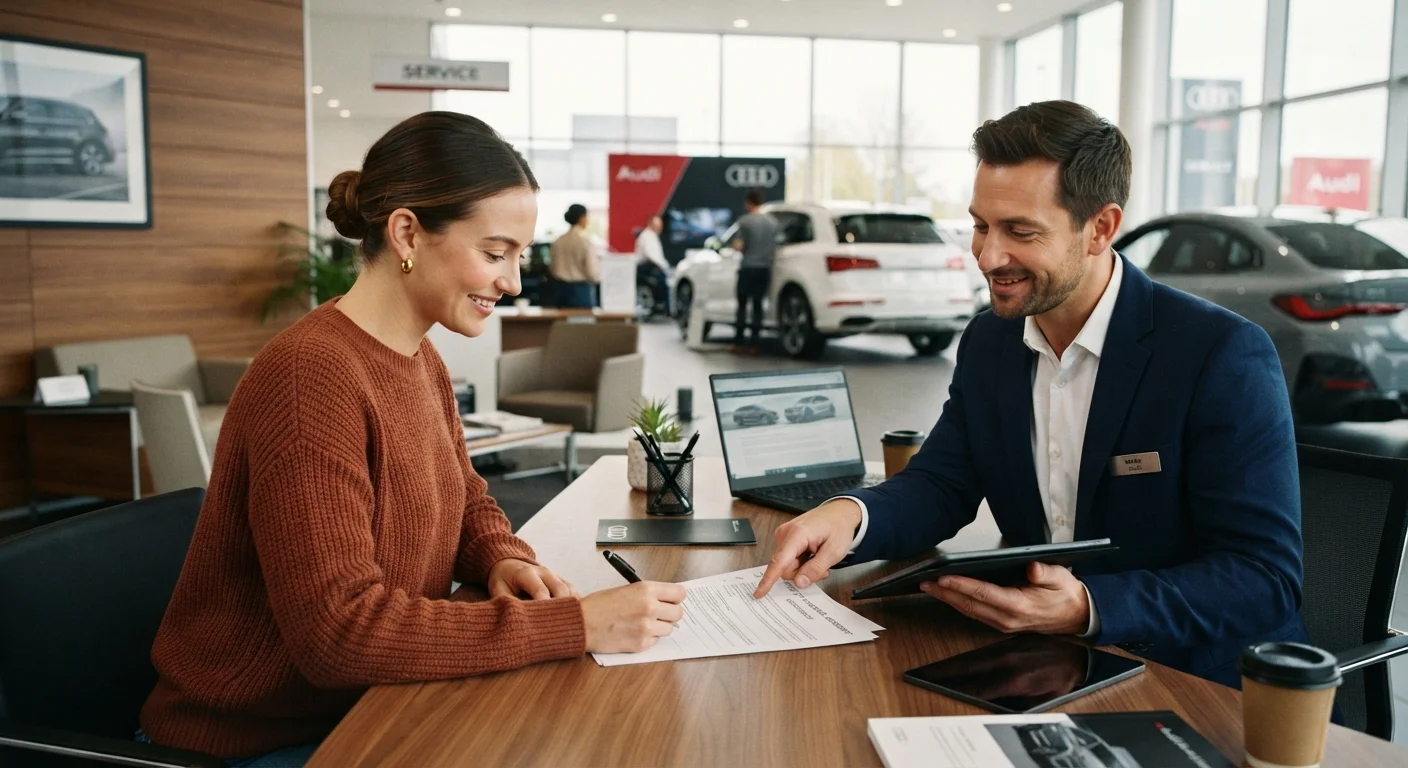
Photo credit: FaqsInsights.com | Stay Informed, Stay Ahead
In this article
Effective negotiation isn't about pressure tactics — it's about preparation and knowing which numbers actually matter.
Key Takeaways
- Know the out-the-door price before negotiating - not just the monthly payment figure.
- Research market value for your specific vehicle trim and condition before visiting a dealership.
- Separating trade-in, financing, and purchase price negotiations prevents dealers from obscuring the true cost.
- Walking away calmly is a legitimate and often effective negotiating move.
- Anxiety in negotiation usually stems from feeling unprepared - research is your best remedy.
Why Car Negotiations Feel So Stressful
Most buyers find dealership negotiations uncomfortable not because they're bad at negotiating, but because the environment is designed to be unfamiliar. Salespeople conduct these conversations daily; buyers do it once every several years. That asymmetry of experience is real, and acknowledging it is the first step to leveling the field.
The good news: effective negotiation doesn't require confrontation or pressure tactics. It requires knowing which numbers matter, what research to bring, and how to structure the conversation so you stay in control. See our preparation checklist for a step-by-step guide to gathering the right information before you arrive.
“Information is the great equalizer in a car negotiation. When a buyer walks in knowing the invoice price, the market value, and their financing options, the power dynamic in that room shifts considerably.”
— Philip Reed, Automotive journalist and former senior consumer advice editor at a major automotive research publication
The Numbers That Actually Matter
The single most important figure in any car purchase is the out-the-door (OTD) price - the total you'll pay including taxes, registration fees, and any dealer documentation fees. Monthly payment figures, by contrast, can be stretched across longer loan terms to make an expensive deal appear affordable. Always anchor your negotiation to OTD, not monthly cost.
~$400
Average amount buyers overpay by accepting first offer
Industry analysts commonly note that buyers who make a single counteroffer save meaningfully compared to those who accept the first price presented.
85%
Car buyers who research online before visiting a dealership
According to J.D. Power research, the vast majority of buyers conduct digital research before any in-person interaction with a dealer.
Other figures worth knowing before you walk in:
- Market value: What comparable vehicles in your region are actually selling for, not the manufacturer's suggested retail price (MSRP). Automotive research tools and listings aggregators can give you a realistic range.
- Dealer invoice price: The approximate amount the dealer paid for the vehicle. This is publicly available for most models and provides a reasonable floor for negotiation.
- Your trade-in's value: Get independent appraisals before the dealer offers you one. Negotiating trade-in value as a separate transaction prevents dealers from bundling numbers in ways that obscure the real deal.
Understanding these figures also helps you spot the patterns described in why buyers overpay.
Best Practices for the Negotiation Itself
Negotiate the out-the-door price first, and only then discuss financing or trade-ins separately.
When these three elements are bundled together, it becomes easy for a dealer to adjust one variable to offset another, making the overall deal appear better than it is. Keeping them separate gives you a clear view of what you're actually paying for the vehicle.
State your target price rather than asking what the lowest price is.
Asking 'what's your best price?' puts the dealer in control of setting the opening number. Naming a specific figure based on your research anchors the negotiation around your terms and signals that you've done homework.
Be willing to walk away and make clear you intend to do so if terms aren't met.
A buyer who can genuinely leave has real leverage. Dealers know that a motivated, informed buyer who walks out is likely to buy from a competitor. Demonstrating this willingness - calmly, not aggressively - often produces a counteroffer.
Review every line item in the finance and insurance (F&I) office before signing.
Add-ons presented in the F&I office - extended warranties, paint protection packages, gap insurance - are often presented as standard inclusions. Each is separately negotiable or can be declined entirely, and their costs are frequently rolled into the loan without clear disclosure.
Arrange financing pre-approval through your own bank or credit union before visiting a dealer.
Walking in with a pre-approved loan rate gives you a concrete benchmark against which to evaluate dealer financing offers. It also removes time pressure, since you're not dependent on the dealer to complete the purchase.
Keep in mind that some widely repeated strategies - like timing your visit to the last day of the month - are less reliable than commonly believed. Common car-buying myths often don't hold up when examined carefully.
Quick Actions You Can Take Right Now
If you're considering an online purchase rather than an in-person dealership visit, the negotiation dynamics shift considerably. Buying a car online involves different steps, risks, and consumer protections worth understanding before committing.
Bring Everything in Writing
Print or screenshot any competitor price, online quote, or market valuation you're referencing. Verbal claims are easy to dismiss; a visible document changes the dynamic. Having figures written down also helps you stay oriented if the conversation moves quickly or becomes complex.

Author
Cars & Driving Editorial Team
Cars & Driving Editorial Team is the collective byline for our editorial team and contributor network. Articles published under this byline or an editorial pen name are researched, written, and reviewed according to our editorial standards for clarity, consistency, and independence before publication.
View all articles →