
Buying a Car Online: How the Process Differs From a Traditional Dealership
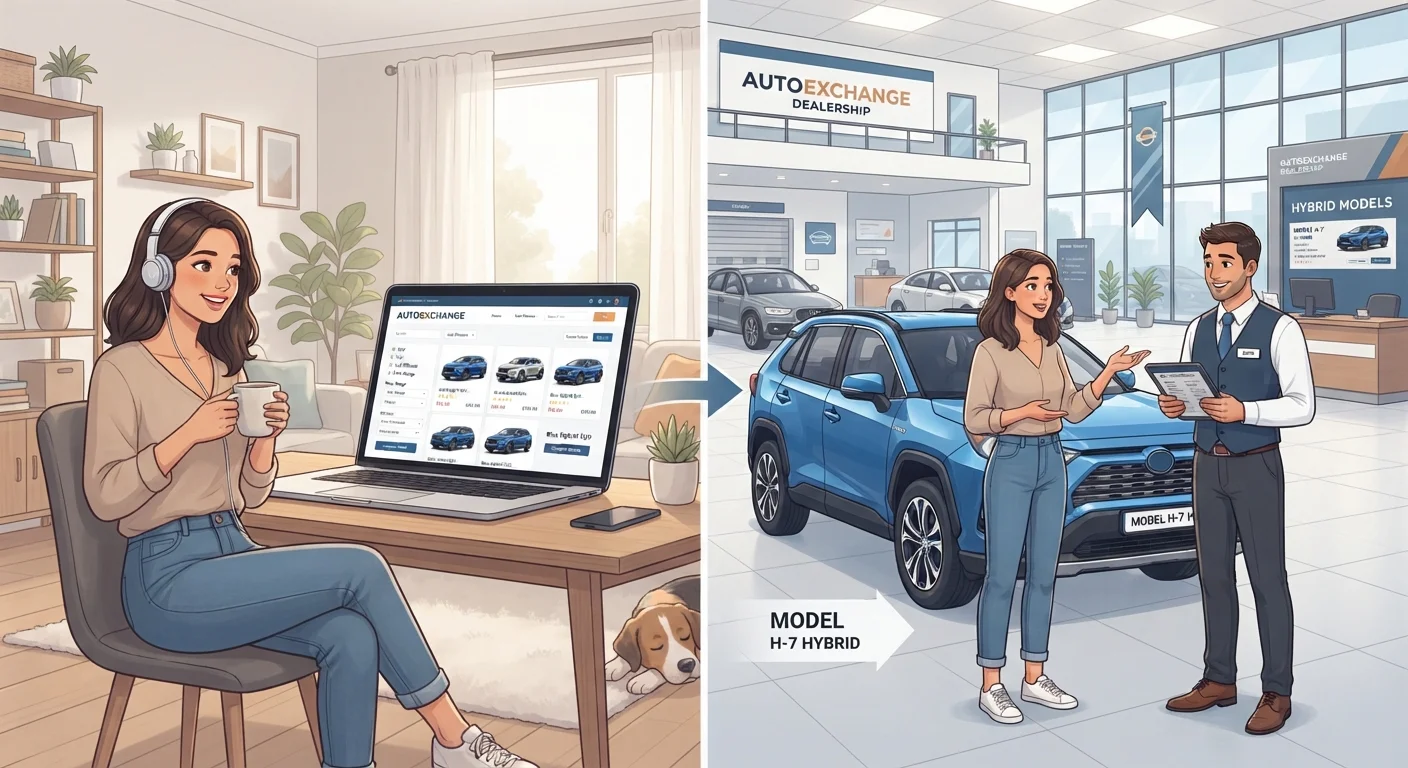
Photo credit: FaqsInsights.com | Stay Informed, Stay Ahead
In this article
Remote car purchases have grown common. Here's how the steps, risks, and consumer protections compare to in-person buying.
Key Takeaways
- Online car buying eliminates in-person negotiation but requires careful document verification and inspection planning.
- Traditional dealerships allow test drives, face-to-face negotiation, and same-day financing - but involve more time pressure.
- Consumer protections differ between channels; buyers should understand return policies and title transfer rules before committing.
- Financing options are available through both paths, though terms and transparency can vary significantly.
- Neither method is universally superior - the right choice depends on your comfort level, vehicle type, and local market.
How Each Process Actually Begins
The car-buying journey looks fundamentally different depending on your channel. At a traditional dealership, the process typically starts on the lot or in the showroom - a salesperson engages you, vehicles are physically present, and conversations happen in real time. Online purchases, by contrast, begin with a digital listing: photos, a vehicle history report, and a stated price that may or may not have room to move.
One practical difference emerges immediately: transparency. Many online platforms post a fixed price with detailed specs upfront, reducing ambiguity about what you're paying. Dealerships may advertise a price that changes once add-ons, dealer fees, and financing products enter the conversation. That said, dealerships give you physical access to the car - you can inspect condition, smell the interior, and hear the engine before any paperwork is signed.
For a full walkthrough of what to expect at each stage of purchasing, see The Car-Buying Process, Start to Finish. And if you're heading to a dealership, preparing in advance can significantly level the playing field.
Test Drives, Inspections, and Vehicle Verification
This is where the two channels diverge most sharply. At a dealership, a test drive is standard and usually immediate. You experience the vehicle's handling, acceleration, braking, and cabin comfort firsthand - information that no photo gallery replicates.
Online purchases require deliberate planning to fill this gap. Reputable platforms often provide third-party inspection reports or allow buyers to arrange an independent pre-purchase inspection at a local shop before finalizing the sale. Some online sellers offer a limited-time return window, typically three to seven days or a set mileage threshold, but the specifics vary widely. Buyers should read these policies carefully rather than assume uniform protections exist.
Scams Are More Common in Online Private Sales
Online car listings from private parties carry a higher fraud risk than licensed dealer platforms. Common red flags include requests for wire transfers, prices significantly below market value, and sellers who refuse to allow an independent inspection. Never send funds or sign a purchase agreement before verifying the vehicle's title status and VIN independently. If something feels off, walk away - legitimate sellers welcome buyer diligence.
For used vehicles specifically - whether purchased online or in person - verifying the vehicle identification number (VIN) against a history report is essential. This applies equally to both channels; the difference is that a dealer's lot allows you to cross-check the physical car against its paperwork on the spot.
Negotiation, Pricing, and Financing
Price negotiation is one of the starkest contrasts between the two approaches. Traditional dealerships involve face-to-face negotiation, which some buyers find empowering and others find stressful. The back-and-forth can yield real savings - or it can introduce pressure tactics that inflate the final cost through add-ons and financing markups. Our guide to negotiating a car price without the anxiety explains which numbers actually matter in that conversation.
Many online platforms use fixed or near-fixed pricing, which removes the negotiation variable entirely. This can be a relief for buyers who dislike haggling, but it also means less flexibility if the listed price is above market. Either way, securing pre-approved financing before you start shopping puts you in a stronger position. See financing through a dealership vs. getting a bank loan first for a balanced look at how both paths typically play out.
| Online Purchasing | Traditional Dealership | |
|---|---|---|
| Price transparency | Often fixed price, listed upfront | Advertised price may change with add-ons |
| Test drive access | Requires deliberate arrangement | Standard and immediate |
| Negotiation | Limited; often fixed pricing | Face-to-face; outcomes vary |
| Financing options | Platform-based or external lender | In-house and third-party options |
| Return / cancellation policy | Varies by platform; check carefully | Generally no return after signing |
| Title transfer handling | Varies; confirm process explicitly | Typically handled in-dealership |
| Consumer protections | Weaker for private sellers online | Licensed dealer laws apply in most states |
Consumer Protections and Title Transfer
Consumer protections in car buying are not uniform across channels or states. Traditional dealerships are regulated by state dealer licensing laws, and buyers in most states have some form of implied warranty protection on used vehicles sold by licensed dealers. However, "as-is" sales - common on used cars - can limit recourse significantly.
Online sales introduce additional complexity. If you're purchasing from a private seller online, consumer protections are generally weaker than those provided through a licensed dealer platform. Title transfer, lien releases, and out-of-state registration can all become logistical hurdles when the transaction happens remotely. Some online retail platforms have built-in title handling services, but buyers should confirm this process explicitly before funds are sent.
If you're weighing what kind of vehicle to buy - not just where - the real financial trade-offs between new and used are worth understanding separately. New Car vs. Used Car: Understanding the Real Trade-Offs covers depreciation, warranties, and financing rate differences in practical terms.
Always Confirm Title Handling Before Paying
Whether buying online or in person, ask explicitly who handles the title transfer, how lien releases are managed, and how long the process takes in your state. For out-of-state purchases made online, factor in potential registration fees and inspection requirements in your home state. A few phone calls before committing can prevent weeks of paperwork problems after the sale.

Author
Cars & Driving Editorial Team
Cars & Driving Editorial Team is the collective byline for our editorial team and contributor network. Articles published under this byline or an editorial pen name are researched, written, and reviewed according to our editorial standards for clarity, consistency, and independence before publication.
View all articles →