
What Stress Actually Does to Your Body Over Time
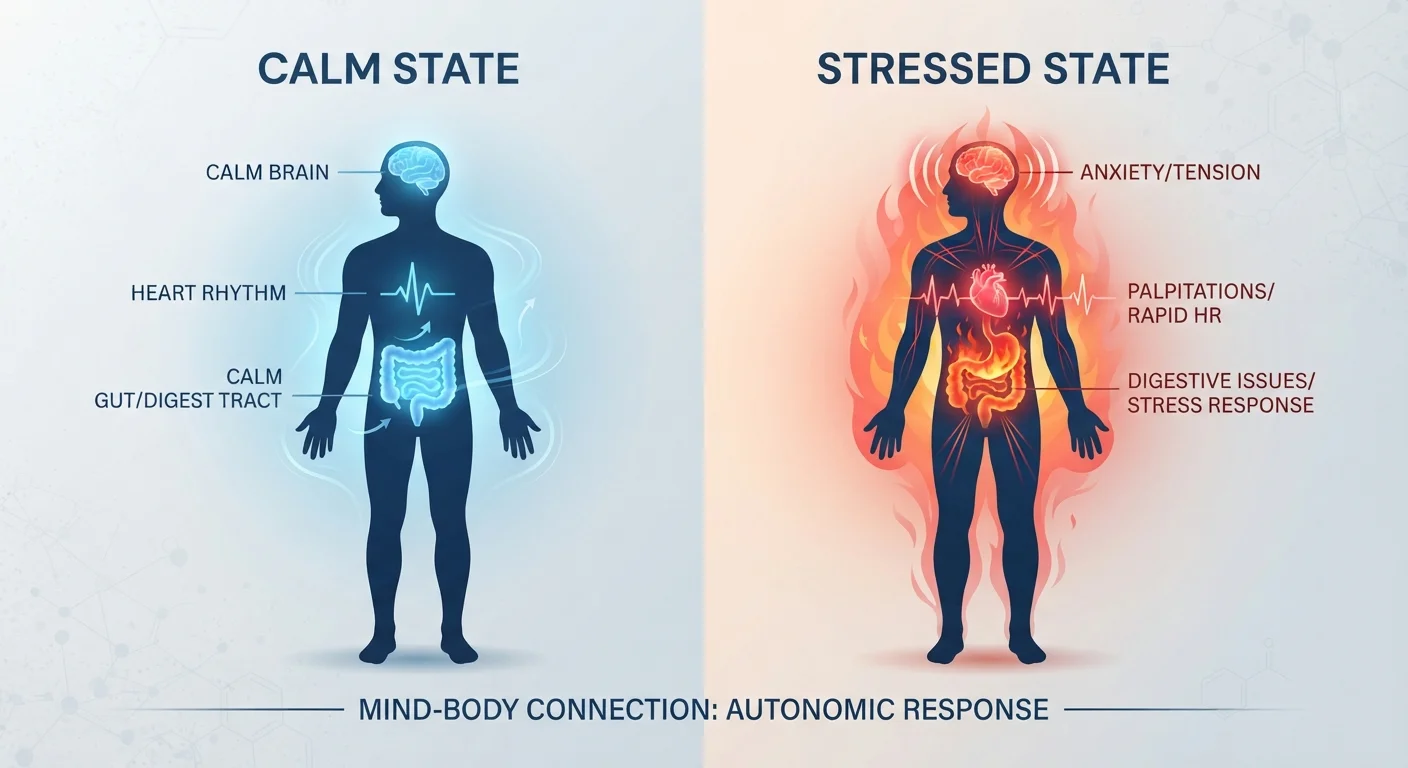
Photo credit: FaqsInsights.com | Stay Informed, Stay Ahead
In this article
Chronic stress affects far more than your mood. Explore how prolonged stress influences physical health and why early awareness matters.
Key Takeaways
- Chronic stress is physiologically distinct from short-term stress and poses greater health risks.
- The cardiovascular, immune, digestive, and nervous systems are all affected by prolonged stress exposure.
- Early recognition of stress patterns allows for intervention before physical symptoms escalate.
- Lifestyle practices such as controlled breathing and sleep hygiene have documented effects on stress physiology.
- Consulting a healthcare professional is important when stress-related symptoms interfere with daily functioning.
The Biology Behind the Stress Response
When the brain perceives a threat - real or imagined - it triggers a cascade of hormonal signals. The adrenal glands release cortisol and adrenaline, heart rate increases, digestion slows, and muscles tense. This is the well-known fight-or-flight response, and in short bursts, it is adaptive and even life-saving.
The problem arises when the trigger never fully resolves. Modern stressors - financial pressure, workplace demands, relationship conflict - rarely disappear as cleanly as a physical danger would. The stress response stays partially activated, and the body pays a cumulative price. This is the physiological core of chronic stress.
Understanding this biology is the first step toward recognizing why prolonged stress isn't simply a mental state. It is a whole-body condition with measurable consequences. For a broader look at the systems involved, see our complete mental well-being overview.
77%
Adults experiencing stress-related physical symptoms
According to the American Psychological Association's Stress in America survey, a substantial majority of U.S. adults regularly experience physical symptoms they associate with stress.
2-3×
Increased cardiovascular risk linked to chronic stress
Research published in peer-reviewed cardiology journals has found that individuals with high chronic stress levels may face two to three times greater risk of certain cardiovascular events compared with low-stress counterparts.
40%
Adults reporting stress-related sleep disruption
The American Psychological Association has reported that a significant proportion of U.S. adults say stress causes them to lie awake at night, compounding other physical effects.
How Chronic Stress Affects Major Body Systems
Cardiovascular system: Sustained elevation of stress hormones increases heart rate and blood pressure over time. Research has linked chronic stress to higher risk of hypertension, arterial inflammation, and adverse cardiac events.
Immune system: Cortisol is naturally anti-inflammatory in short doses, but prolonged elevation can suppress immune function, making the body less effective at fighting infections and slower to heal.
Digestive system: The gut and brain communicate through the vagus nerve, which means stress directly influences digestion. Chronic stress is associated with irritable bowel syndrome (IBS), acid reflux, and changes in gut microbiome composition.
Brain and cognition: Long-term cortisol exposure can affect the hippocampus - a brain region critical for memory and learning - potentially impairing concentration and emotional regulation. Sleep disturbances compound these effects significantly.
Musculoskeletal system: Muscles remain in a state of mild tension during chronic stress. Over months, this contributes to chronic pain, particularly in the neck, shoulders, and lower back.
Stress Affects Everyone Differently
Two people facing identical stressors can experience very different physical outcomes based on genetics, prior health history, available social support, and coping resources. This variability is why population-level research describes risk patterns rather than guaranteed outcomes for any individual. Always interpret stress-health connections in the context of your own health picture with a qualified provider.
Recognizing the Pattern Before Symptoms Escalate
Many people only connect physical symptoms to stress in retrospect. Headaches, fatigue, frequent colds, and stomach trouble are easy to attribute to other causes - and sometimes that attribution is correct. But when these symptoms cluster together or persist without a clear medical explanation, chronic stress is a meaningful consideration to raise with a healthcare provider.
Self-awareness is a practical tool here. Keeping a brief log of symptoms alongside daily stressors can reveal patterns that would otherwise go unnoticed. Our personal stress audit guide offers a structured set of questions to help identify where pressure is building across sleep, relationships, and routine.
Start With One Observable Signal
Rather than trying to overhaul everything at once, identify a single recurring physical symptom - disrupted sleep, jaw tension, digestive discomfort - and use it as a personal stress indicator. Tracking just one signal consistently gives you meaningful data without adding to your cognitive load.
Practical Entry Points for Managing Chronic Stress
No single intervention eliminates chronic stress, but several approaches have documented physiological benefits. Controlled breathing - specifically patterns that extend the exhale - activates the parasympathetic nervous system, counteracting the fight-or-flight response. Our guide on breathing techniques for calming the nervous system explains several evidence-informed methods and the mechanisms behind them.
Regular physical activity, consistent sleep schedules, and meaningful social connection also support the body's capacity to recover from stress. These are not quick fixes; they work through accumulation over time.
When stress-related symptoms are persistent or significantly disruptive, professional support from a licensed therapist, counselor, or physician is an important step - not a last resort. Early intervention consistently produces better outcomes than waiting until symptoms become severe.
This article is for general informational and educational purposes only and is not a substitute for professional medical advice, diagnosis, or treatment. Always consult a qualified healthcare provider with any questions you have about a medical condition or your mental health.
Frequently Asked Questions

Author
Health & Wellness Editorial Team
Health & Wellness Editorial Team is the collective byline for our editorial team and contributor network. Articles published under this byline or an editorial pen name are researched, written, and reviewed according to our editorial standards for clarity, consistency, and independence before publication.
View all articles →