
Building a Balanced Plate: Principles That Hold Across Different Diets
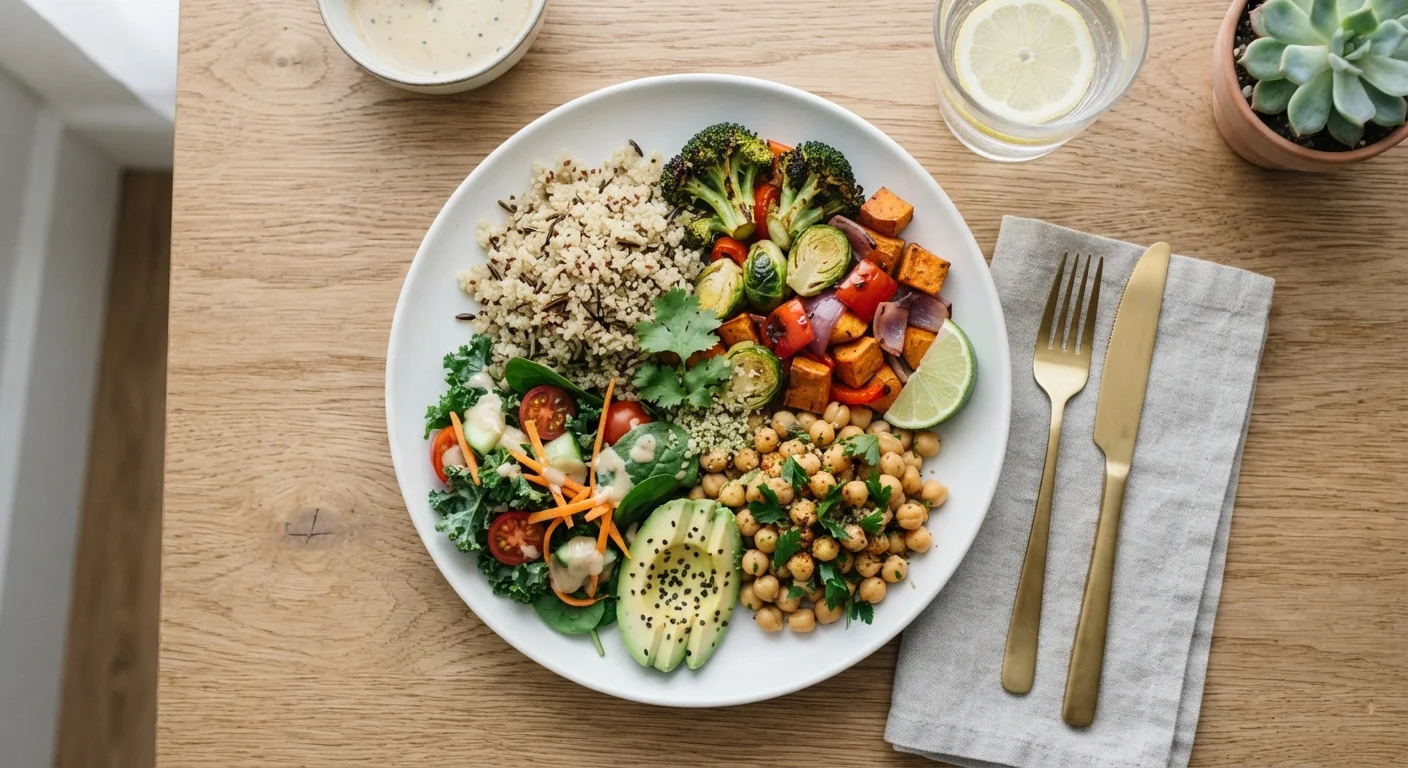
Photo credit: FaqsInsights.com | Stay Informed, Stay Ahead
In this article
Portion balance, food variety, and nutrient density are concepts that apply whether you eat omnivore, vegan, or anything in between.
Key Takeaways
- No single diet pattern has a monopoly on good nutrition - core principles apply broadly.
- Filling half your plate with vegetables and fruits is a practical starting point for most people.
- Nutrient density matters more than strict calorie counting for long-term dietary quality.
- Adequate protein, healthy fats, and complex carbohydrates each play distinct physiological roles.
- Consistency and food variety over time outweigh any single meal or food choice.
Why Core Principles Matter More Than Diet Labels
Nutrition headlines cycle through trends - keto one year, carnivore the next, then back to plant-based. Yet beneath the noise, a set of foundational principles shows up consistently in well-designed dietary research, regardless of the specific eating pattern studied. Whether you follow a Mediterranean approach, eat mostly plants, or include animal proteins, the same structural ideas tend to support health outcomes.
Before committing to any particular approach, it's worth asking yourself some fundamental questions. Our guide on assessing a new diet offers a practical checklist to help you evaluate whether a change fits your health context and lifestyle. What follows here focuses not on any one diet, but on the underlying architecture that makes eating patterns work.
One Size Doesn't Fit All
Nutritional needs differ meaningfully by age, sex, activity level, health status, and cultural background. The principles outlined here are broadly applicable, but they are not personal prescriptions. People managing specific health conditions, pregnant or breastfeeding individuals, older adults, and children have distinct nutritional considerations. Always work with a registered dietitian or healthcare provider for individualized guidance.
The Plate Proportion Framework
One of the most accessible concepts in nutrition education is plate proportion. The U.S. Department of Agriculture's MyPlate model and similar frameworks from public health bodies around the world converge on a broadly consistent picture: roughly half the plate as fruits and vegetables, a quarter as whole grains or complex carbohydrates, and a quarter as a protein source - with room for a small amount of healthy fat.
This isn't a rigid prescription, and individual needs vary based on age, activity level, health status, and cultural context. But the model serves as a useful visual anchor. It naturally limits highly processed, energy-dense foods by leaving less plate space for them - without requiring strict tracking or elimination.
Fill at least half your plate with vegetables and fruits at most meals.
Vegetables and fruits provide fiber, vitamins, minerals, and phytonutrients with relatively few calories. High intake is consistently associated with lower risk of chronic disease in population studies. This habit also naturally crowds out less nutritious options.
Choose whole or minimally processed foods as your default.
Highly processed foods often contain added sugars, sodium, and refined fats while offering less fiber and fewer micronutrients than their whole-food counterparts. Research links high ultra-processed food consumption with poorer diet quality and some adverse health outcomes.
Include a source of protein at each meal to support satiety and muscle maintenance.
Protein plays critical roles in tissue repair, immune function, and hormone production. Adequate intake also supports satiety, which can help regulate overall food intake. Protein needs vary by age and activity level.
Don't eliminate entire food groups without a clear health-based reason and professional guidance.
Many elimination diets remove nutrients that are difficult to obtain from remaining foods. When an entire food group is removed, the risk of nutritional gaps increases, requiring careful planning and sometimes supplementation.
Hydrate consistently with water as your primary beverage.
Many people underestimate the role of hydration in metabolic function, digestion, and energy levels. Sugary drinks add calories with minimal nutritional value and have been associated with increased risk of metabolic conditions when consumed regularly.
Nutrient Density: Quality Over Quantity
Nutrient density refers to the concentration of vitamins, minerals, fiber, and beneficial compounds in a food relative to its calorie content. Leafy greens, legumes, eggs, whole grains, nuts, and fatty fish are all examples of foods considered nutrient-dense across different dietary frameworks.
Research consistently finds that diets built around nutrient-dense whole foods - regardless of whether they include meat - are associated with better health markers than diets built primarily around processed foods, even when total calorie counts are similar. For a deeper look at how specific dietary patterns stack up, see our overview of major diet patterns and the evidence.
~80%
Diet quality linked to food choices, not single nutrients
Dietary pattern research consistently finds that overall food choice patterns - rather than individual nutrients - account for the majority of diet-related health variation, according to reviews published in nutritional epidemiology literature.
5+ servings
Fruit and vegetable intake associated with lower disease risk
A meta-analysis published in the International Journal of Epidemiology found that consuming five or more daily servings of fruits and vegetables was associated with a reduced risk of cardiovascular disease and all-cause mortality.
Variety, Consistency, and Practical Balance
No single food or meal defines a diet - patterns over weeks and months do. Eating a wide variety of foods across plant and animal (or exclusively plant) categories helps cover the nutritional bases that any single food source misses. Variety also supports a diverse gut microbiome, which emerging research increasingly links to broader health outcomes.
Consistency matters more than perfection. A nutritious meal most days of the week is far more impactful than an ideal meal one day followed by days of poor choices. Good nutrition also doesn't have to be expensive - our piece on eating well on a budget explores how to apply these principles without a specialty grocery bill.
This article is for general informational and educational purposes only and does not constitute medical or dietary advice. For guidance tailored to your individual health needs, consult a registered dietitian or qualified healthcare professional.

Author
Health & Wellness Editorial Team
Health & Wellness Editorial Team is the collective byline for our editorial team and contributor network. Articles published under this byline or an editorial pen name are researched, written, and reviewed according to our editorial standards for clarity, consistency, and independence before publication.
View all articles →