
Reading a Nutrition Label Without Getting Lost in the Fine Print
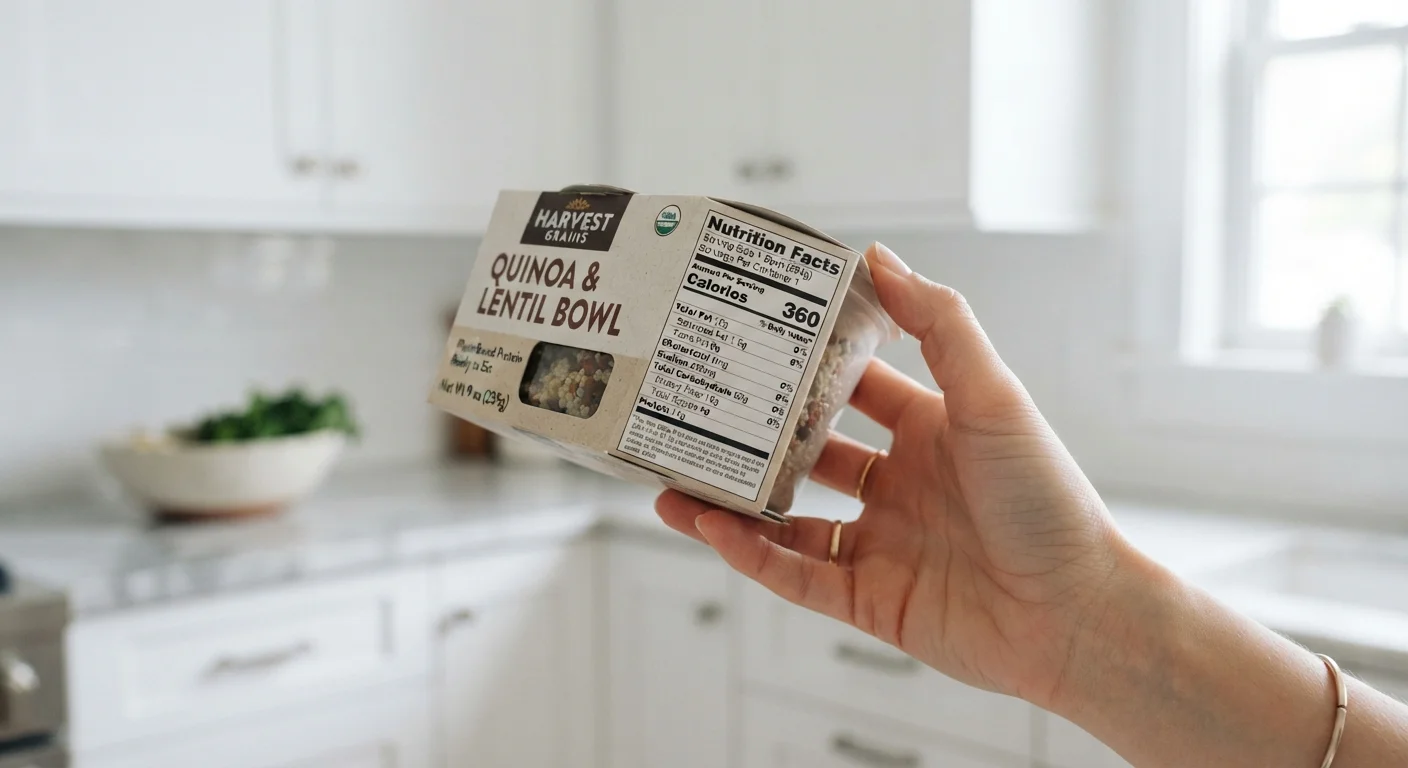
Photo credit: FaqsInsights.com | Stay Informed, Stay Ahead
From serving sizes to % Daily Value, learn what each section of a nutrition facts panel actually tells you about what you're eating.
Key Takeaways
- Serving size is the foundation of every number on the label - always check it first.
- % Daily Value shows how a nutrient fits into a 2,000-calorie reference diet, not a personal prescription.
- Nutrients like fiber, vitamins, and minerals are worth seeking out; added sugars and sodium warrant closer attention.
- Front-of-package claims are marketing; the Nutrition Facts panel is the regulated, standardized source of truth.
- Labels are most useful as comparison tools when choosing between similar products.
Why the Nutrition Facts Panel Exists
The Nutrition Facts label has been a federally required feature of packaged food in the US since 1994, with a significant update rolled out between 2016 and 2020. The FDA mandates its format specifically so consumers can compare products on equal footing - a rare case where a regulatory standard genuinely levels the information playing field.
Understanding the label matters because front-of-package marketing is under no such constraint. A product can call itself 'light,' 'wholesome,' or 'a good source of energy' with minimal restriction. The panel on the side or back of the package is where standardized, auditable nutrition data lives.
Front-of-Package Claims Are Not Regulated Like Labels
Terms like 'natural,' 'wholesome,' or 'made with real fruit' are marketing language and carry no standardized legal definition in most contexts. The Nutrition Facts panel on the back or side of the package is the part regulated by the FDA and the place to anchor your assessment. Don't let front-panel language override what the numbers tell you.
This guide walks through each section of a standard Nutrition Facts panel in the order you'll encounter it, so you can move from top to bottom with a clear sense of what each number actually represents.
Labels Inform - They Don't Prescribe
Nutrition Facts panels are general tools based on a 2,000-calorie reference diet, which may not reflect your actual needs. Individual calorie and nutrient requirements vary based on age, activity level, health status, and other factors. If you have a specific health condition or are managing a diet for medical reasons, consult a registered dietitian or your healthcare provider for personalized guidance.
How to Read a Nutrition Label, Step by Step
Follow these steps with any packaged food in hand. A standard panel runs from serving information at the top through macronutrients, micronutrients, and % Daily Values. The ingredients list nearby adds an additional layer of useful context.
What you will need
Start with serving size and servings per container
Every number on a Nutrition Facts label is tied to one serving - not the whole package. The serving size appears at the very top and reflects an amount the FDA considers typical for that food category, standardized so products can be compared fairly.
Check servings per container next. A bag of chips labeled 150 calories might contain three servings, putting the full-bag total at 450 calories. This single step reframes everything else on the label.
Look at the calorie count in context
Calories appear in large print directly below serving size. They measure the total energy one serving provides from all three macronutrients - carbohydrates, protein, and fat. For a general reference, the FDA uses 2,000 calories per day as a baseline, though individual needs vary widely.
Rather than fixating on a calorie ceiling, use this number alongside the rest of the label to assess whether a food is energy-dense relative to its nutrient content. Learn more about how each macronutrient contributes to that calorie total in our guide to macronutrients.
Review nutrients to limit
The label lists certain nutrients because most Americans consume too much of them. These include:
- Saturated fat - linked in research to LDL cholesterol levels; dietary guidelines generally recommend keeping intake moderate
- Sodium - a key factor in blood pressure management for many people
- Added sugars - listed separately from total sugars since 2020, making it easier to spot sugar added during processing rather than occurring naturally
For a deeper look at fat types and what the science says, see our overview of dietary fats.
Identify nutrients to get enough of
Below the nutrients to limit, labels highlight nutrients many Americans fall short on:
- Dietary fiber - supports digestive health, blood sugar regulation, and cardiovascular health. Most US adults consume less than recommended daily amounts. Our article on the fiber gap covers this in detail.
- Vitamin D, calcium, iron, and potassium - required disclosures because deficiencies are common in the US population
Higher % Daily Values for these nutrients generally indicate a food that contributes meaningfully to your overall intake.
Decode % Daily Value (%DV)
%DV runs down the right side of the label and shows what percentage of a nutrient's recommended daily amount one serving provides, based on a 2,000-calorie diet. It's a quick benchmarking tool, not a personal target.
- 5% DV or less is generally considered low for a nutrient
- 20% DV or more is generally considered high
Use these thresholds to compare products quickly - they're especially useful for sodium, fiber, and added sugars.
Scan the ingredients list for context
The ingredients list isn't part of the Nutrition Facts panel, but it sits nearby and adds essential context. Ingredients are listed in descending order by weight - so the first few items make up the bulk of the product.
If added sugars appear high on the label but sugar, corn syrup, or other sweeteners dominate the top of the ingredients list, that's a consistent signal. Similarly, whole grains listed first indicate a meaningfully different product from one where enriched flour leads. For more on that distinction, see our explainer on whole vs. refined grains.
Use Labels as Comparison Tools
The real power of a nutrition label shows up when you compare two similar products side by side. Make sure both products show the same serving size before comparing calories, sodium, or fiber - otherwise the numbers can be misleading. Small differences in serving size can make one product look far better or worse than it actually is.
Once you're comfortable reading individual labels, the next step is applying that understanding to your overall diet. Our guide to building a balanced plate offers a practical framework that works across different eating styles, and our micronutrient quick-reference can help you connect label data to specific vitamins and minerals.
This article is for general informational and educational purposes only and is not a substitute for professional medical or dietary advice. Consult a qualified healthcare provider or registered dietitian for guidance specific to your health needs.

Author
Health & Wellness Editorial Team
Health & Wellness Editorial Team is the collective byline for our editorial team and contributor network. Articles published under this byline or an editorial pen name are researched, written, and reviewed according to our editorial standards for clarity, consistency, and independence before publication.
View all articles →